LY96Lymphocyte antigen 96
Binds bacterial lipopolysaccharide (LPS).
UniProt locations Secreted, extracellular space · Secreted
Function
Binds bacterial lipopolysaccharide (LPS) [12, 11]. Cooperates with TLR4 in the innate immune response to bacterial lipopolysaccharide (LPS), and with TLR2 in the response to cell wall components from Gram-positive and Gram-negative bacteria [8, 9]. Enhances TLR4-dependent activation of NF-kappa-B [1].
Cells expressing both LY96 and TLR4, but not TLR4 alone, respond to LPS [1]
Evidence & references
- ECO:0000269 PubMed:10359581 ↗
- ECO:0000269 PubMed:11160242 ↗
- ECO:0000269 PubMed:11593030 ↗
- ECO:0000269 PubMed:17569869 ↗
- ECO:0000269 PubMed:17803912 ↗
Complete source annotation
{
  "texts": [
    {
      "evidences": [
        {
          "evidenceCode": "ECO:0000269",
          "source": "PubMed",
          "id": "10359581"
        },
        {
          "evidenceCode": "ECO:0000269",
          "source": "PubMed",
          "id": "11160242"
        },
        {
          "evidenceCode": "ECO:0000269",
          "source": "PubMed",
          "id": "11593030"
        },
        {
          "evidenceCode": "ECO:0000269",
          "source": "PubMed",
          "id": "17569869"
        },
        {
          "evidenceCode": "ECO:0000269",
          "source": "PubMed",
          "id": "17803912"
        }
      ],
      "value": "Binds bacterial lipopolysaccharide (LPS) (PubMed:17569869, PubMed:17803912). Cooperates with TLR4 in the innate immune response to bacterial lipopolysaccharide (LPS), and with TLR2 in the response to cell wall components from Gram-positive and Gram-negative bacteria (PubMed:11160242, PubMed:11593030). Enhances TLR4-dependent activation of NF-kappa-B (PubMed:10359581). Cells expressing both LY96 and TLR4, but not TLR4 alone, respond to LPS (PubMed:10359581)"
    }
  ],
  "commentType": "FUNCTION"
}
GO functions & biological processes
GO:0032496 · evidence & context
- ECO:0000314 PMID:12594207 ↗ IDA · MGI · 20100606qualifier: acts_upstream_of_or_within
GO:0001530 · evidence & context
- ECO:0000256 GO_REF:0000002 IEA · InterPro · 20260727qualifier: enableswithFrom: [{"connectedXrefs": [{"db": "InterPro", "id": "IPR039217"}]}]
GO:0001875 · evidence & context
- ECO:0000318 GO_REF:0000033 IBA · GO_Central · 20190213qualifier: enableswithFrom: [{"connectedXrefs": [{"db": "PANTHER", "id": "PTN000390890"}]}, {"connectedXrefs": [{"db": "UniProtKB", "id": "Q9Y6Y9"}]}]
- ECO:0000314 PMID:19252480 ↗ IDA · UniProt · 20090602qualifier: enables
GO:0005515 · evidence & context
- ECO:0000353 PMID:15728506 ↗ IPI · IntAct · 20260725qualifier: enableswithFrom: [{"connectedXrefs": [{"db": "UniProtKB", "id": "O00206"}]}]
- ECO:0000353 PMID:17803912 ↗ IPI · IntAct · 20260725qualifier: enableswithFrom: [{"connectedXrefs": [{"db": "UniProtKB", "id": "O00206"}]}]
- ECO:0000353 PMID:19060881 ↗ IPI · IntAct · 20260725qualifier: enableswithFrom: [{"connectedXrefs": [{"db": "UniProtKB", "id": "O00206-1"}]}]
- ECO:0000353 PMID:19060881 ↗ IPI · IntAct · 20260725qualifier: enableswithFrom: [{"connectedXrefs": [{"db": "UniProtKB", "id": "P49278"}]}]
- ECO:0000353 PMID:19252480 ↗ IPI · UniProt · 20090602qualifier: enableswithFrom: [{"connectedXrefs": [{"db": "UniProtKB", "id": "O00206"}]}]
- ECO:0000353 PMID:19252480 ↗ IPI · IntAct · 20260725qualifier: enableswithFrom: [{"connectedXrefs": [{"db": "UniProtKB", "id": "O00206-1"}]}]
- ECO:0000353 PMID:20547845 ↗ IPI · IntAct · 20260725qualifier: enableswithFrom: [{"connectedXrefs": [{"db": "UniProtKB", "id": "O00206"}]}]
- ECO:0000353 PMID:22474354 ↗ IPI · IntAct · 20260725qualifier: enableswithFrom: [{"connectedXrefs": [{"db": "UniProtKB", "id": "O00206-1"}]}]
- ECO:0000353 PMID:22532668 ↗ IPI · IntAct · 20260725qualifier: enableswithFrom: [{"connectedXrefs": [{"db": "UniProtKB", "id": "O00206-1"}]}]
- ECO:0000353 PMID:32296183 ↗ IPI · IntAct · 20260725qualifier: enableswithFrom: [{"connectedXrefs": [{"db": "UniProtKB", "id": "P80188"}]}]
- ECO:0000353 PMID:32296183 ↗ IPI · IntAct · 20260725qualifier: enableswithFrom: [{"connectedXrefs": [{"db": "UniProtKB", "id": "Q14696"}]}]
GO:0015026 · evidence & context
- ECO:0000304 PMID:10359581 ↗ TAS · PINC · 20031120qualifier: enables
All recorded function and process assertions (18)
GO:0035662 · evidence & context
- ECO:0000256 GO_REF:0000002 IEA · InterPro · 20260727qualifier: enableswithFrom: [{"connectedXrefs": [{"db": "InterPro", "id": "IPR039217"}]}]
GO:0002221 · evidence & context
- ECO:0000256 GO_REF:0000117 IEA · UniProt · 20260727qualifier: involved_inwithFrom: [{"connectedXrefs": [{"db": "ARBA", "id": "ARBA00033911"}]}]
GO:0002224 · evidence & context
- ECO:0000314 PMID:14607928 ↗ IDA · ComplexPortal · 20240827qualifier: involved_in
GO:0006968 · evidence & context
- ECO:0000304 PMID:10359581 ↗ TAS · PINC · 20031120qualifier: involved_in
GO:0007166 · evidence & context
- ECO:0000304 PMID:10359581 ↗ TAS · PINC · 20031120qualifier: involved_in
GO:0031663 · evidence & context
- ECO:0000501 GO_REF:0000120 IEA · UniProt · 20260724qualifier: involved_inwithFrom: [{"connectedXrefs": [{"db": "ARBA", "id": "ARBA00087514"}]}, {"connectedXrefs": [{"db": "UniProtKB", "id": "Q9JHF9"}]}, {"connectedXrefs": [{"db": "ensembl", "id": "ENSMUSP00000026881"}]}]
GO:0031666 · evidence & context
- ECO:0000318 GO_REF:0000033 IBA · GO_Central · 20190213qualifier: involved_inwithFrom: [{"connectedXrefs": [{"db": "MGI", "id": "MGI:1341909"}]}, {"connectedXrefs": [{"db": "PANTHER", "id": "PTN000390890"}]}]
GO:0032496 · evidence & context
- ECO:0000314 PMID:14607928 ↗ IDA · ComplexPortal · 20240827qualifier: involved_in
GO:0032497 · evidence & context
- ECO:0000318 GO_REF:0000033 IBA · GO_Central · 20190213qualifier: involved_inwithFrom: [{"connectedXrefs": [{"db": "PANTHER", "id": "PTN000390890"}]}, {"connectedXrefs": [{"db": "UniProtKB", "id": "Q9Y6Y9"}]}]
- ECO:0000314 PMID:19252480 ↗ IDA · UniProt · 20090602qualifier: involved_in
GO:0032760 · evidence & context
- ECO:0000250 GO_REF:0000024 ISS · UniProt · 20150720qualifier: involved_inwithFrom: [{"connectedXrefs": [{"db": "UniProtKB", "id": "Q9JHF9"}]}]
- ECO:0000265 GO_REF:0000107 IEA · Ensembl · 20260724qualifier: involved_inwithFrom: [{"connectedXrefs": [{"db": "UniProtKB", "id": "Q9JHF9"}]}, {"connectedXrefs": [{"db": "ensembl", "id": "ENSMUSP00000026881"}]}]
GO:0034142 · evidence & context
- ECO:0000250 GO_REF:0000024 ISS · UniProt · 20150720qualifier: involved_inwithFrom: [{"connectedXrefs": [{"db": "UniProtKB", "id": "Q9JHF9"}]}]
- ECO:0000318 GO_REF:0000033 IBA · GO_Central · 20190213qualifier: involved_inwithFrom: [{"connectedXrefs": [{"db": "MGI", "id": "MGI:1341909"}]}, {"connectedXrefs": [{"db": "PANTHER", "id": "PTN000390890"}]}]
- ECO:0000265 GO_REF:0000107 IEA · Ensembl · 20260724qualifier: involved_inwithFrom: [{"connectedXrefs": [{"db": "UniProtKB", "id": "Q9JHF9"}]}, {"connectedXrefs": [{"db": "ensembl", "id": "ENSMUSP00000026881"}]}]
GO:0045087 · evidence & context
- ECO:0000256 GO_REF:0000002 IEA · InterPro · 20260727qualifier: involved_inwithFrom: [{"connectedXrefs": [{"db": "InterPro", "id": "IPR039217"}]}]
- ECO:0005547 PMID:33576548 ↗ NAS · ComplexPortal · 20240827qualifier: involved_in
GO:0071222 · evidence & context
- ECO:0000318 GO_REF:0000033 IBA · GO_Central · 20260529qualifier: involved_inwithFrom: [{"connectedXrefs": [{"db": "MGI", "id": "MGI:1341909"}]}, {"connectedXrefs": [{"db": "PANTHER", "id": "PTN000390890"}]}, {"connectedXrefs": [{"db": "RGD", "id": "1302993"}]}]
- ECO:0000265 GO_REF:0000107 IEA · Ensembl · 20260724qualifier: involved_inwithFrom: [{"connectedXrefs": [{"db": "UniProtKB", "id": "Q9JHF9"}]}, {"connectedXrefs": [{"db": "ensembl", "id": "ENSMUSP00000026881"}]}]
Names & Taxonomy
- Recommended name
- Lymphocyte antigen 96
- Gene
- LY96
- Accession / entry
- Q9Y6Y9 · LY96_HUMAN
- Species
- Homo sapiens · NCBI 9606
- Recorded aliases
- ESOP-1 · ESOP1 · MD2 · Protein MD-2
Full taxonomy & recorded names
Eukaryota → Metazoa → Chordata → Craniata → Vertebrata → Euteleostomi → Mammalia → Eutheria → Euarchontoglires → Primates → Haplorrhini → Catarrhini → Hominidae → Homo
{
  "names": {
    "recommendedName": {
      "fullName": {
        "value": "Lymphocyte antigen 96"
      },
      "shortNames": [
        {
          "value": "Ly-96"
        }
      ]
    },
    "alternativeNames": [
      {
        "fullName": {
          "evidences": [
            {
              "evidenceCode": "ECO:0000303",
              "source": "PubMed",
              "id": "10891475"
            }
          ],
          "value": "ESOP-1"
        }
      },
      {
        "fullName": {
          "evidences": [
            {
              "evidenceCode": "ECO:0000303",
              "source": "PubMed",
              "id": "10359581"
            }
          ],
          "value": "Protein MD-2"
        }
      }
    ],
    "flag": "Precursor"
  },
  "genes": [
    {
      "geneName": {
        "value": "LY96"
      },
      "synonyms": [
        {
          "value": "ESOP1"
        },
        {
          "value": "MD2"
        }
      ]
    }
  ]
}Subcellular Location
UniProt locations and GO cellular-component assertions. Relations and contexts remain distinct; “part of” is not automatically a residence claim.
Retained in the extracellular space at the cell surface by interaction with TLR4 [1]
Evidence & references
- ECO:0000269 PubMed:10359581 ↗
- ECO:0000269 PubMed:11593030 ↗
- ECO:0000305 PubMed:11274165 ↗
Retained in the extracellular space at the cell surface by interaction with TLR4 [1]
Evidence & references
- ECO:0000269 PubMed:11593030 ↗
Evidence & references
- ECO:0000501 GO_REF:0000120 IEA · UniProt · 20260727qualifier: located_inwithFrom: [{"connectedXrefs": [{"db": "ARBA", "id": "ARBA00027128"}]}, {"connectedXrefs": [{"db": "UniProtKB-SubCell", "id": "SL-0112"}]}, {"connectedXrefs": [{"db": "UniProtKB-SubCell", "id": "SL-0243"}]}]
- ECO:0000269 PMID:11593030 ↗ EXP · UniProt · 20251027qualifier: located_in
- ECO:0000304 Reactome:R-HSA-9707594 TAS · Reactome · 20201119qualifier: located_in
- ECO:0000304 Reactome:R-HSA-9707659 TAS · Reactome · 20201119qualifier: located_in
Evidence & references
- ECO:0000304 PMID:10359581 ↗ TAS · PINC · 20031120qualifier: located_in
- ECO:0000314 PMID:11274165 ↗ IDA · UniProt · 20150716qualifier: located_in
- ECO:0005547 PMID:33576548 ↗ NAS · ComplexPortal · 20240827qualifier: located_in
- ECO:0000304 Reactome:R-HSA-166041 TAS · Reactome · 20150219qualifier: located_in
- ECO:0000304 Reactome:R-HSA-166072 TAS · Reactome · 20150219qualifier: located_in
- ECO:0000304 Reactome:R-HSA-166082 TAS · Reactome · 20150219qualifier: located_in
- ECO:0000304 Reactome:R-HSA-166091 TAS · Reactome · 20150219qualifier: located_in
- ECO:0000304 Reactome:R-HSA-166119 TAS · Reactome · 20150219qualifier: located_in
- ECO:0000304 Reactome:R-HSA-166284 TAS · Reactome · 20150219qualifier: located_in
- ECO:0000304 Reactome:R-HSA-166286 TAS · Reactome · 20150219qualifier: located_in
- ECO:0000304 Reactome:R-HSA-166362 TAS · Reactome · 20150219qualifier: located_in
- ECO:0000304 Reactome:R-HSA-166363 TAS · Reactome · 20150219qualifier: located_in
- ECO:0000304 Reactome:R-HSA-2201293 TAS · Reactome · 20150219qualifier: located_in
- ECO:0000304 Reactome:R-HSA-2201316 TAS · Reactome · 20150219qualifier: located_in
- ECO:0000304 Reactome:R-HSA-2201322 TAS · Reactome · 20150219qualifier: located_in
- ECO:0000304 Reactome:R-HSA-2262775 TAS · Reactome · 20150219qualifier: located_in
- ECO:0000304 Reactome:R-HSA-2262777 TAS · Reactome · 20150219qualifier: located_in
- ECO:0000304 Reactome:R-HSA-2559414 TAS · Reactome · 20150219qualifier: located_in
- ECO:0000304 Reactome:R-HSA-5432825 TAS · Reactome · 20150219qualifier: located_in
- ECO:0000304 Reactome:R-HSA-5432849 TAS · Reactome · 20150219qualifier: located_in
- ECO:0000304 Reactome:R-HSA-5432852 TAS · Reactome · 20150219qualifier: located_in
- ECO:0000304 Reactome:R-HSA-5602353 TAS · Reactome · 20150219qualifier: located_in
- ECO:0000304 Reactome:R-HSA-5602383 TAS · Reactome · 20150219qualifier: located_in
- ECO:0000304 Reactome:R-HSA-5602606 TAS · Reactome · 20150219qualifier: located_in
- ECO:0000304 Reactome:R-HSA-6805943 TAS · Reactome · 20150219qualifier: located_in
- ECO:0000304 Reactome:R-HSA-8870678 TAS · Reactome · 20150219qualifier: located_in
- ECO:0000304 Reactome:R-HSA-937022 TAS · Reactome · 20150219qualifier: located_in
- ECO:0000304 Reactome:R-HSA-937059 TAS · Reactome · 20150219qualifier: located_in
- ECO:0000304 Reactome:R-HSA-937079 TAS · Reactome · 20150219qualifier: located_in
- ECO:0000304 Reactome:R-HSA-9836227 TAS · Reactome · 20150219qualifier: located_in
- ECO:0000304 Reactome:R-HSA-9921458 TAS · Reactome · 20150219qualifier: located_in
Evidence & references
- ECO:0000304 Reactome:R-HSA-166168 TAS · Reactome · 20130528qualifier: located_in
- ECO:0000304 Reactome:R-HSA-166175 TAS · Reactome · 20130528qualifier: located_in
- ECO:0000304 Reactome:R-HSA-166245 TAS · Reactome · 20130528qualifier: located_in
- ECO:0000304 Reactome:R-HSA-166271 TAS · Reactome · 20130528qualifier: located_in
- ECO:0000304 Reactome:R-HSA-168915 TAS · Reactome · 20130528qualifier: located_in
- ECO:0000304 Reactome:R-HSA-168921 TAS · Reactome · 20130528qualifier: located_in
- ECO:0000304 Reactome:R-HSA-2201293 TAS · Reactome · 20130528qualifier: located_in
- ECO:0000304 Reactome:R-HSA-2201338 TAS · Reactome · 20130528qualifier: located_in
- ECO:0000304 Reactome:R-HSA-2213017 TAS · Reactome · 20130528qualifier: located_in
- ECO:0000304 Reactome:R-HSA-2559568 TAS · Reactome · 20130528qualifier: located_in
- ECO:0000304 Reactome:R-HSA-2562541 TAS · Reactome · 20130528qualifier: located_in
- ECO:0000304 Reactome:R-HSA-2562564 TAS · Reactome · 20130528qualifier: located_in
- ECO:0000304 Reactome:R-HSA-2569057 TAS · Reactome · 20130528qualifier: located_in
- ECO:0000304 Reactome:R-HSA-450358 TAS · Reactome · 20130528qualifier: located_in
- ECO:0000304 Reactome:R-HSA-5362486 TAS · Reactome · 20130528qualifier: located_in
- ECO:0000304 Reactome:R-HSA-5362500 TAS · Reactome · 20130528qualifier: located_in
- ECO:0000304 Reactome:R-HSA-936947 TAS · Reactome · 20130528qualifier: located_in
- ECO:0000304 Reactome:R-HSA-936951 TAS · Reactome · 20130528qualifier: located_in
- ECO:0000304 Reactome:R-HSA-936952 TAS · Reactome · 20130528qualifier: located_in
- ECO:0000304 Reactome:R-HSA-936985 TAS · Reactome · 20130528qualifier: located_in
- ECO:0000304 Reactome:R-HSA-937029 TAS · Reactome · 20130528qualifier: located_in
- ECO:0000304 Reactome:R-HSA-937075 TAS · Reactome · 20130528qualifier: located_in
- ECO:0000304 Reactome:R-HSA-9823904 TAS · Reactome · 20130528qualifier: located_in
- ECO:0000304 Reactome:R-HSA-9823906 TAS · Reactome · 20130528qualifier: located_in
- ECO:0000304 Reactome:R-HSA-9823910 TAS · Reactome · 20130528qualifier: located_in
- ECO:0000304 Reactome:R-HSA-9823932 TAS · Reactome · 20130528qualifier: located_in
- ECO:0000304 Reactome:R-HSA-9823934 TAS · Reactome · 20130528qualifier: located_in
- ECO:0000304 Reactome:R-HSA-9823939 TAS · Reactome · 20130528qualifier: located_in
- ECO:0000304 Reactome:R-HSA-9824882 TAS · Reactome · 20130528qualifier: located_in
Evidence & references
- ECO:0000353 PMID:19252480 ↗ IPI · ComplexPortal · 20240827qualifier: part_of
Evidence & references
- ECO:0000318 GO_REF:0000033 IBA · GO_Central · 20190213qualifier: part_ofwithFrom: [{"connectedXrefs": [{"db": "MGI", "id": "MGI:1341909"}]}, {"connectedXrefs": [{"db": "PANTHER", "id": "PTN000390890"}]}, {"connectedXrefs": [{"db": "UniProtKB", "id": "Q9Y6Y9"}]}]
- ECO:0000501 GO_REF:0000120 IEA · UniProt · 20260724qualifier: part_ofwithFrom: [{"connectedXrefs": [{"db": "ARBA", "id": "ARBA00092195"}]}, {"connectedXrefs": [{"db": "UniProtKB", "id": "Q9JHF9"}]}, {"connectedXrefs": [{"db": "ensembl", "id": "ENSMUSP00000026881"}]}]
- ECO:0000314 PMID:11274165 ↗ IDA · UniProt · 20150716qualifier: part_of
- ECO:0000314 PMID:19252480 ↗ IDA · UniProt · 20090602qualifier: part_of
Membrane topology 0
No annotation is recorded in this UniProt entry.
Disease & Variants
Source annotations; a recorded variant is not automatically a clinical classification.
No annotation is recorded in this UniProt entry.
Natural variants 2
Scroll across the table for evidence and actions.
2 recorded rows
| Feature | Position | Description | Evidence | Inspect |
|---|---|---|---|---|
| R56GVAR_050030 | 56 | in dbSNP:rs6472812 R → G | Experimental evidence 5 publications Evidence & references
| No verified residues in this structure |
| P157SVAR_024532 | 157 | in dbSNP:rs11466004 P → S | Evidence & referencesNo separate evidence record is supplied for this statement. | 1/1 residues mapped to 8WO1 |
Laboratory mutagenesis 1
Scroll across the table for evidence and actions.
1 recorded rows
| Feature | Position | Description | Evidence | Inspect |
|---|---|---|---|---|
| C95Y | 95 | Abolishes LPS-response. C → Y | Experimental evidence 1 publication Evidence & references
| 1/1 residues mapped to 8WO1 |
PTM/Processing
N-glycosylated; high-mannose
Evidence & references
- ECO:0000269 PubMed:11593030 ↗
- ECO:0000269 PubMed:17569869 ↗
Complete source annotation
{
  "texts": [
    {
      "evidences": [
        {
          "evidenceCode": "ECO:0000269",
          "source": "PubMed",
          "id": "11593030"
        },
        {
          "evidenceCode": "ECO:0000269",
          "source": "PubMed",
          "id": "17569869"
        }
      ],
      "value": "N-glycosylated; high-mannose"
    }
  ],
  "commentType": "PTM"
}
Processed chains & precursor regions 2
Scroll across the table for evidence and actions.
2 recorded rows
| Feature | Position | Description | Evidence | Inspect |
|---|---|---|---|---|
| Signal | 1–18 | Signal | Sequence analysis Evidence & references
| No verified residues in this structure |
| ChainPRO_0000018619 | 19–160 | Lymphocyte antigen 96 | Evidence & referencesNo separate evidence record is supplied for this statement. | 139/142 residues mapped to 8WO1 |
Modifications 5
Scroll across the table for evidence and actions.
5 recorded rows
| Feature | Position | Description | Evidence | Inspect |
|---|---|---|---|---|
| Glycosylation | 26 | N-linked (GlcNAc...) asparagine | Experimental evidence 1 publication Evidence & references
| 1/1 residues mapped to 8WO1 |
| Glycosylation | 114 | N-linked (GlcNAc...) asparagine | Experimental evidence 1 publication Evidence & references
| 1/1 residues mapped to 8WO1 |
| Disulfide bond | 25, 51 | Disulfide bond | Experimental evidence 2 publications Evidence & references
| 2/2 residues mapped to 8WO1 |
| Disulfide bond | 37, 148 | Disulfide bond | Experimental evidence 2 publications Evidence & references
| 2/2 residues mapped to 8WO1 |
| Disulfide bond | 95, 105 | Disulfide bond | Experimental evidence 2 publications Evidence & references
| 2/2 residues mapped to 8WO1 |
Expression
No annotation is recorded in this UniProt entry.
Interaction
Documented interaction partners
UniProt’s filtered IntAct records. Experiment counts describe reported experiments, not binding strength or independent publications. Separate products remain separate rows.
| Partner / product | Species | Experiments | Evidence & actions |
|---|---|---|---|
| LCN2P80188With Q9Y6Y9 | Homo sapiens | 3 | IntAct evidenceSource product: Q9Y6Y9. Partner: P80188. Reported experiment count: 3. |
| MESDQ14696With Q9Y6Y9 | Homo sapiens | 3 | IntAct evidenceSource product: Q9Y6Y9. Partner: Q14696. Reported experiment count: 3. |
| TLR4O00206With Q9Y6Y9 | Homo sapiens | 7 | IntAct evidenceSource product: Q9Y6Y9. Partner: O00206. Reported experiment count: 7. |
| TLR4O00206-1With Q9Y6Y9 | Homo sapiens | 5 | IntAct evidenceSource product: Q9Y6Y9. Partner: O00206-1. Reported experiment count: 5. |
| DERP2P49278With Q9Y6Y9 | Dermatophagoides pteronyssinusCross-species | 2 | IntAct evidenceSource product: Q9Y6Y9. Partner: P49278. Reported experiment count: 2. |
No partners match this filter.
Complex membership & assembly descriptions
Co-membership does not by itself prove direct binding between every pair.
LY96-TLR4 toll-like receptor complex CPX-2545 Complex Portal
Homo sapiens; 9606 · Heterotetramer
Evidence: physical interaction evidence
- LY96 · Q9Y6Y9 · minValue: 2, maxValue: 2
- TLR4 · O00206 · minValue: 2, maxValue: 2
Type I membrane receptor that plays a crucial role in innate immunity by recognizing conserved patterns in diverse microbial molecules including lipoproteins, lipopeptides, lipopolysaccharide, flagellin, and nucleic acids. In the early step of bacterial infection, serum lipopolysaccharide (LPS, CHEBI:16412) binds to the N-terminal of LBP (P18428), LPS is then presented to CD14 (P08571) and transferred to LY96 or the LY96-TLR4 toll-like receptor complex. This induces the dimerization of TLR4 TIR domains, initiating CD14-dependent TLR4 endocytosis, and TICAM1/TRIF(Q8IUC6)-dependent signal transduction to promote inflammation caused by LPS.
Source & references ↗UniProt subunit description
Heterogeneous homomer formed from homodimers; disulfide-linked [9, 10]. Belongs to the lipopolysaccharide (LPS) receptor, a multi-protein complex containing at least CD14, LY96 and TLR4 [7]. Binds to the extracellular domains of TLR2 and TLR4 [1, 9, 11].
Ligand binding induces interaction with TLR4 and oligomerization of the complex
Evidence & references
- ECO:0000269 PubMed:10359581 ↗
- ECO:0000269 PubMed:11274165 ↗
- ECO:0000269 PubMed:11593030 ↗
- ECO:0000269 PubMed:17569869 ↗
- ECO:0000269 PubMed:17803912 ↗
Complete source annotation
{
  "texts": [
    {
      "evidences": [
        {
          "evidenceCode": "ECO:0000269",
          "source": "PubMed",
          "id": "10359581"
        },
        {
          "evidenceCode": "ECO:0000269",
          "source": "PubMed",
          "id": "11274165"
        },
        {
          "evidenceCode": "ECO:0000269",
          "source": "PubMed",
          "id": "11593030"
        },
        {
          "evidenceCode": "ECO:0000269",
          "source": "PubMed",
          "id": "17569869"
        },
        {
          "evidenceCode": "ECO:0000269",
          "source": "PubMed",
          "id": "17803912"
        }
      ],
      "value": "Heterogeneous homomer formed from homodimers; disulfide-linked (PubMed:11593030, PubMed:12642668). Belongs to the lipopolysaccharide (LPS) receptor, a multi-protein complex containing at least CD14, LY96 and TLR4 (PubMed:11274165). Binds to the extracellular domains of TLR2 and TLR4 (PubMed:10359581, PubMed:11593030, PubMed:17803912). Ligand binding induces interaction with TLR4 and oligomerization of the complex"
    }
  ],
  "commentType": "SUBUNIT"
}
Other association resources
Resource links only; their association networks and counts are not added to the partner table.
Structure
8WO1 · Cryo-EM Structure of Human TLR4/MD-2/DLAM5 Complex
- Method
- Electron microscopy
- Resolution
- 2.24 Å
- Assembly 1
- Hetero 4-mer · A2B2
- Symmetry
- C2
- Deposited / released
- 06/10/2023 / 09/10/2024
- Entry version
- 3.1 · 14/05/2025
Verified residue selection uses chain(s) C. Deposited construct lengths are per protein entity, not the full precursor or a total across assembly copies.
Components & chains
Chain labels below are mmCIF identifiers used by the viewer. Assembly membership does not establish direct binding.
| Component | Identity / length | Chains | Inspect |
|---|---|---|---|
| Toll-like receptor 4Protein / polymer · Entity 1Homo sapiens | O00206605 aa | A, B | |
| Lymphocyte antigen 96Protein / polymer · Entity 2Homo sapiens | Q9Y6Y9142 aa | C, D | |
beta-D-mannopyranose-(1-4)-2-acetamido-2-deoxy-beta-D-glucopyranose-(1-4)-2-acetamido-2-deoxy-beta-D-glucopyranoseGlycan · Entity 3GlyCosmos G15407YE ↗CCD BMA ↗ CCD NAG ↗Component chemical diagrams · RCSB PDBIndividual sugar components; this is not a diagram of glycan linkages. 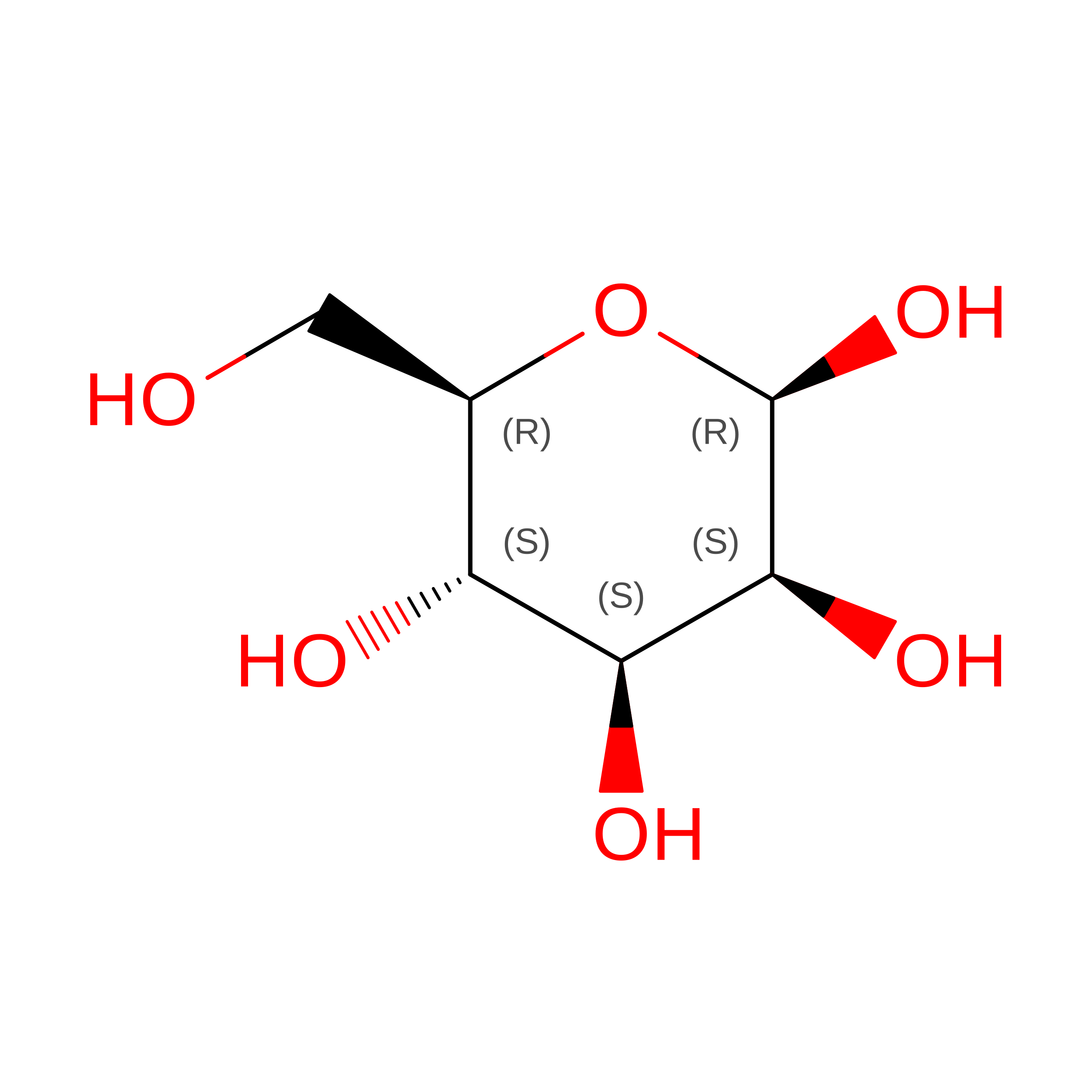 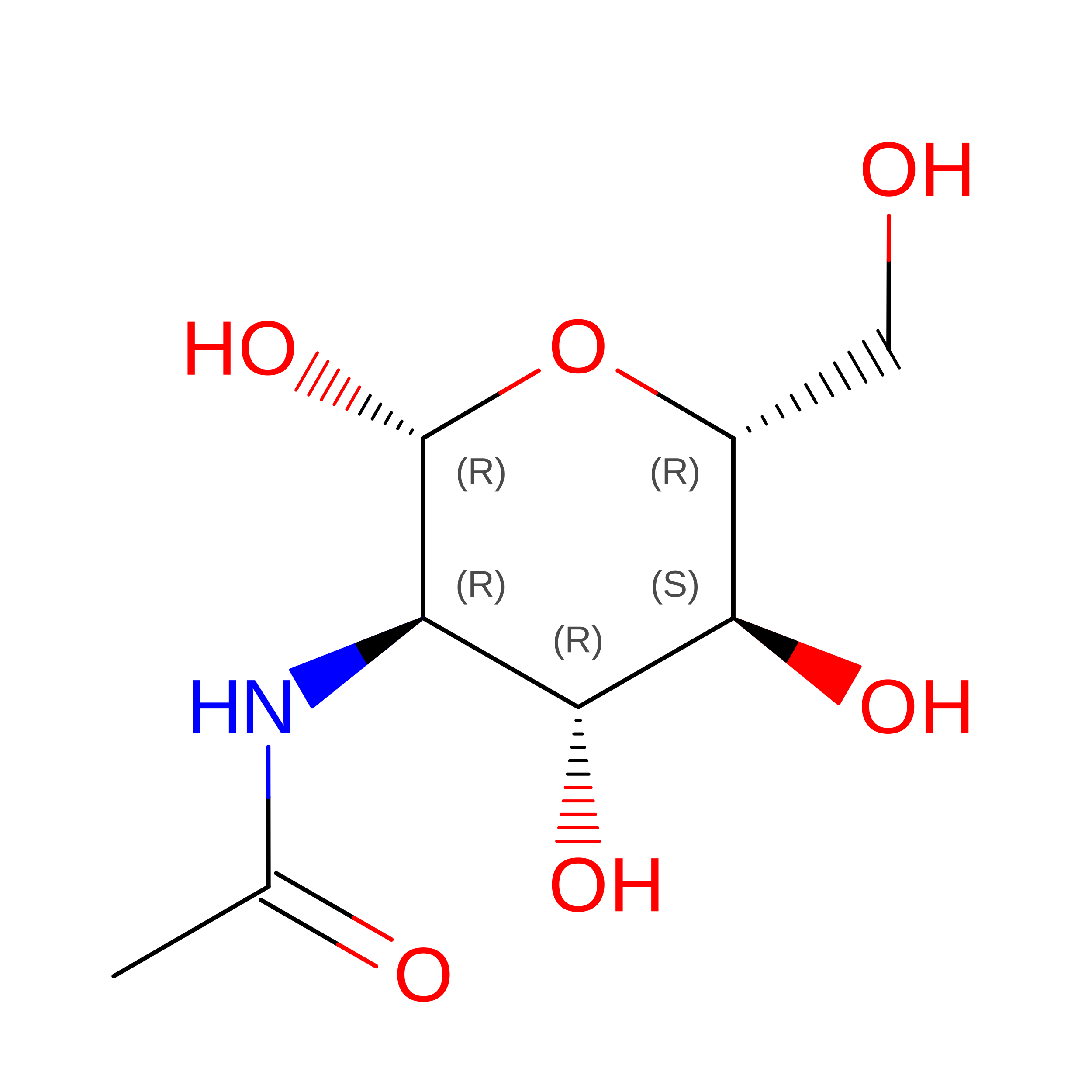 | BMA · NAG3 sugar units | E, F, H, I | |
2-acetamido-2-deoxy-beta-D-glucopyranose-(1-4)-2-acetamido-2-deoxy-beta-D-glucopyranoseGlycan · Entity 4GlyCosmos G42666HT ↗CCD NAG ↗Component chemical diagrams · RCSB PDBIndividual sugar components; this is not a diagram of glycan linkages. | NAG2 sugar units | G, J | |
2-acetamido-2-deoxy-beta-D-glucopyranoseLigand / ion · Entity 5CCD NAG ↗Chemical diagram · RCSB PDB | NAG | K, L, N, O, Q, VAuthor: A, B, C, D | |
2-amino-2-deoxy-4-O-phosphono-alpha-D-glucopyranoseLigand / ion · Entity 6CCD GP4 ↗Chemical diagram · RCSB PDB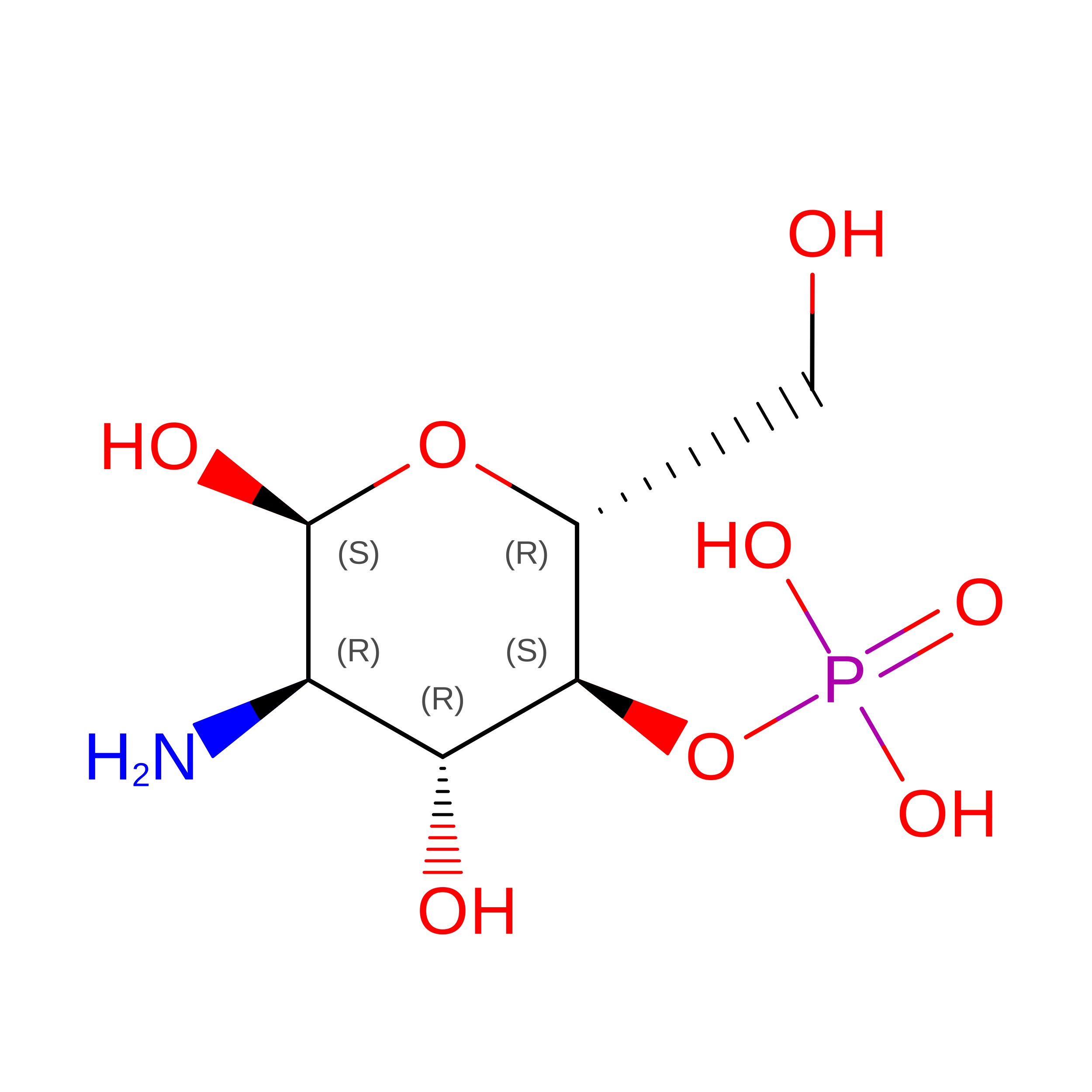 | GP4 | M, PAuthor: A, B | |
(3R)-3-(dodecanoyloxy)tetradecanoic acidLigand / ion · Entity 7CCD 2IL ↗Chemical diagram · RCSB PDB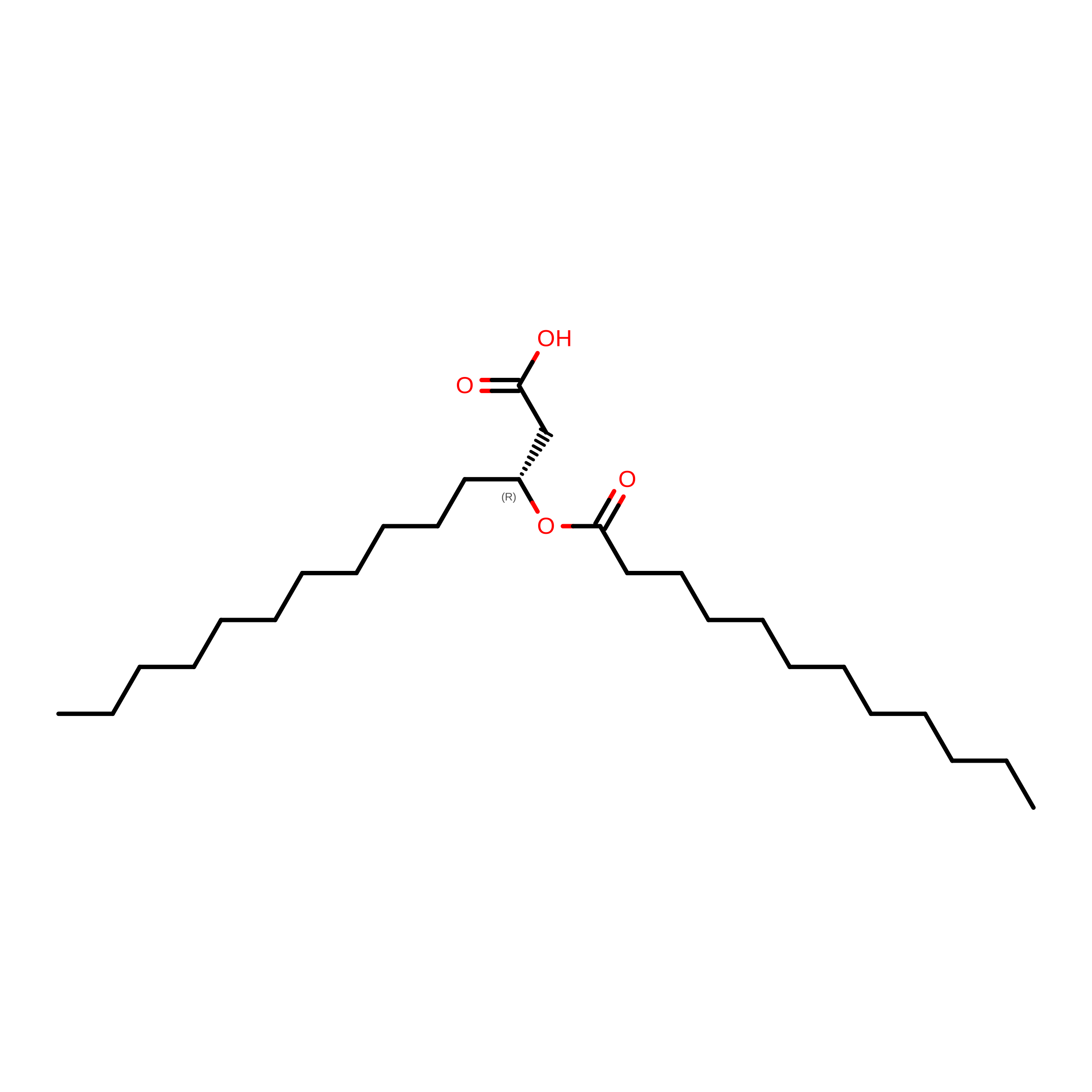 | 2IL | R, WAuthor: C, D | |
(3R)-3-(tetradecanoyloxy)tetradecanoic acidLigand / ion · Entity 8CCD 0IL ↗Chemical diagram · RCSB PDB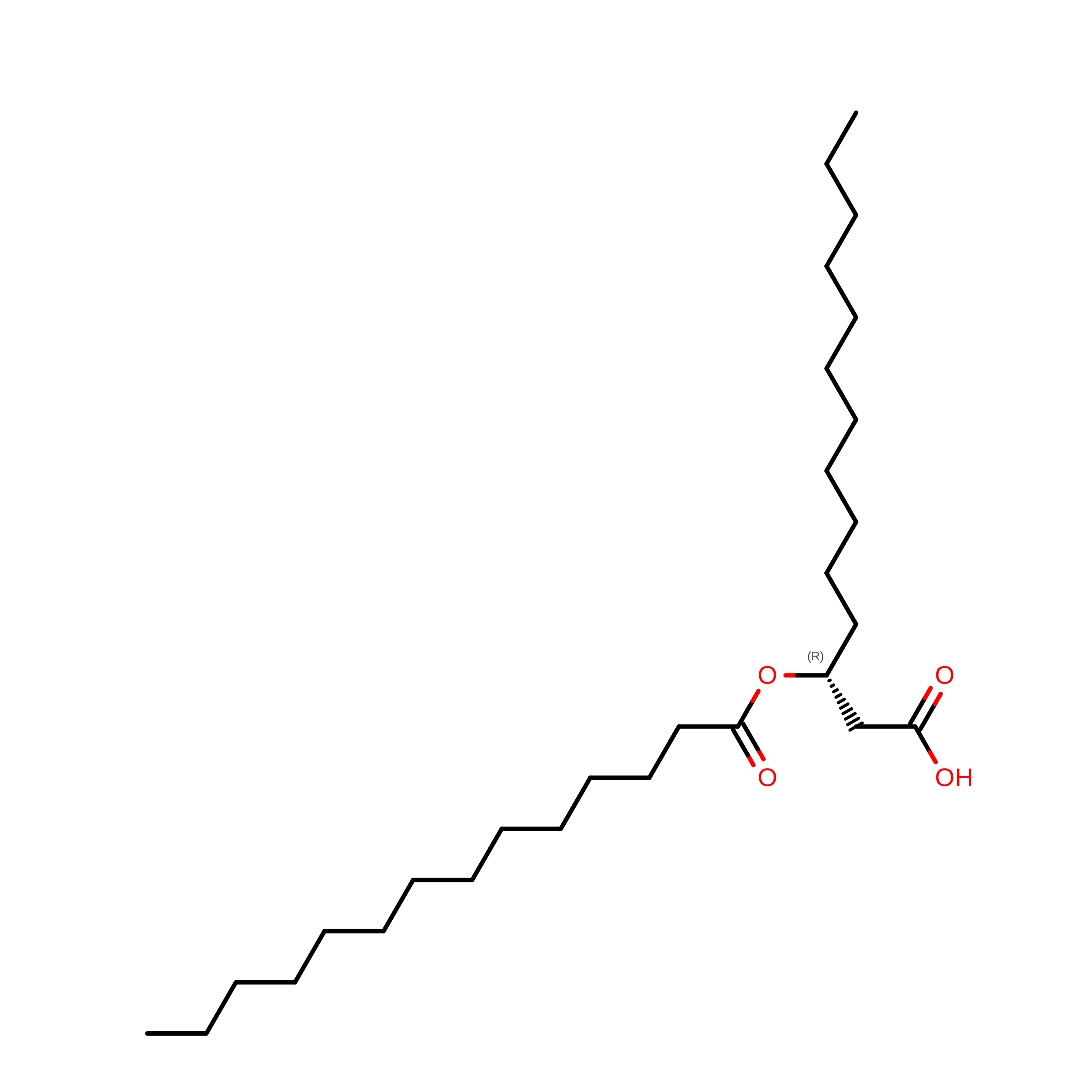 | 0IL | S, XAuthor: C, D | |
[(2~{R},3~{S},4~{R},5~{S})-2-(hydroxymethyl)-5-methoxy-4,6-bis(oxidanyl)oxan-3-yl] dihydrogen phosphateLigand / ion · Entity 9CCD X6N ↗Chemical diagram · RCSB PDB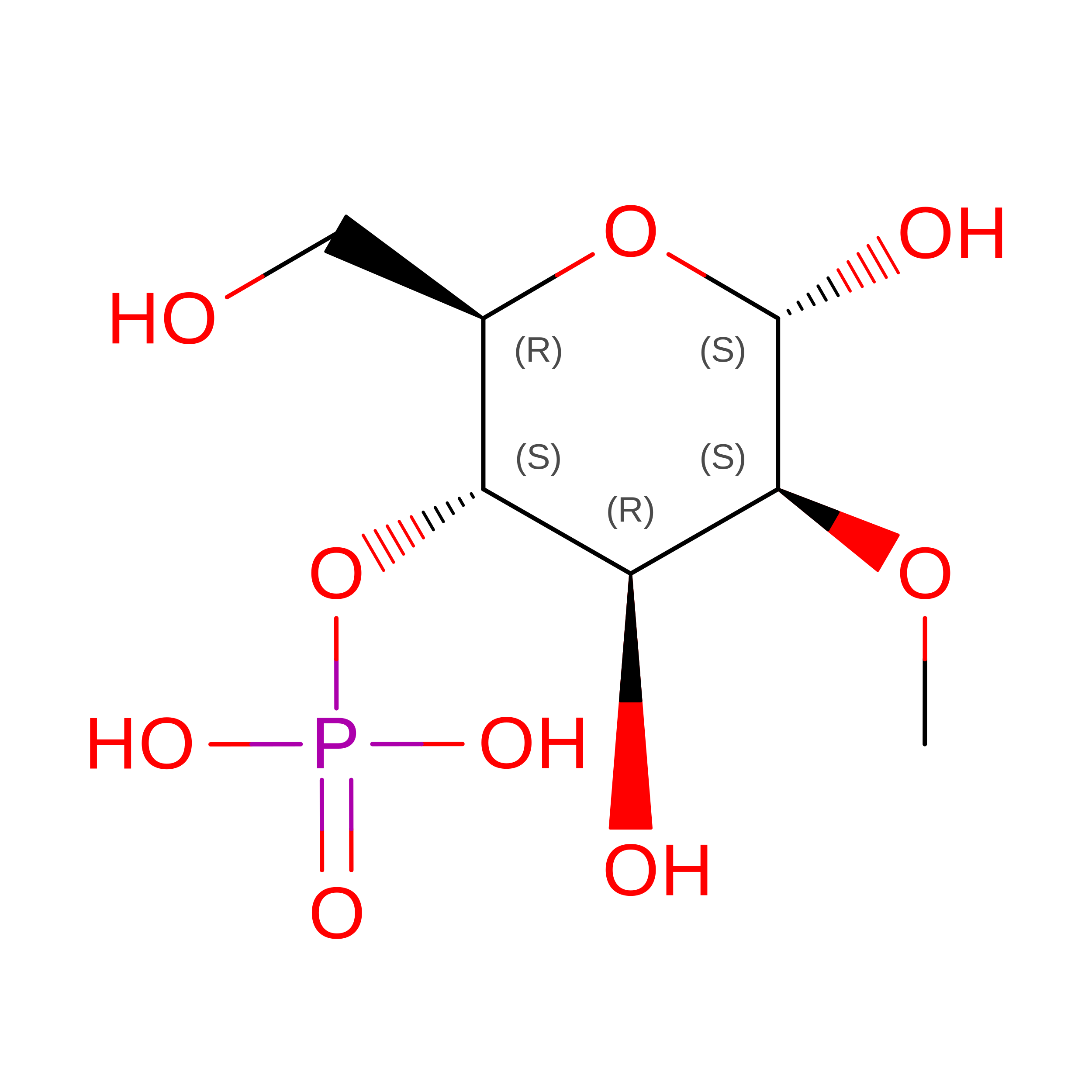 | X6N | T, YAuthor: C, D | |
(3~{S})-3-decanoyloxytetradecanoic acidLigand / ion · Entity 10CCD A1L01 ↗Chemical diagram · RCSB PDB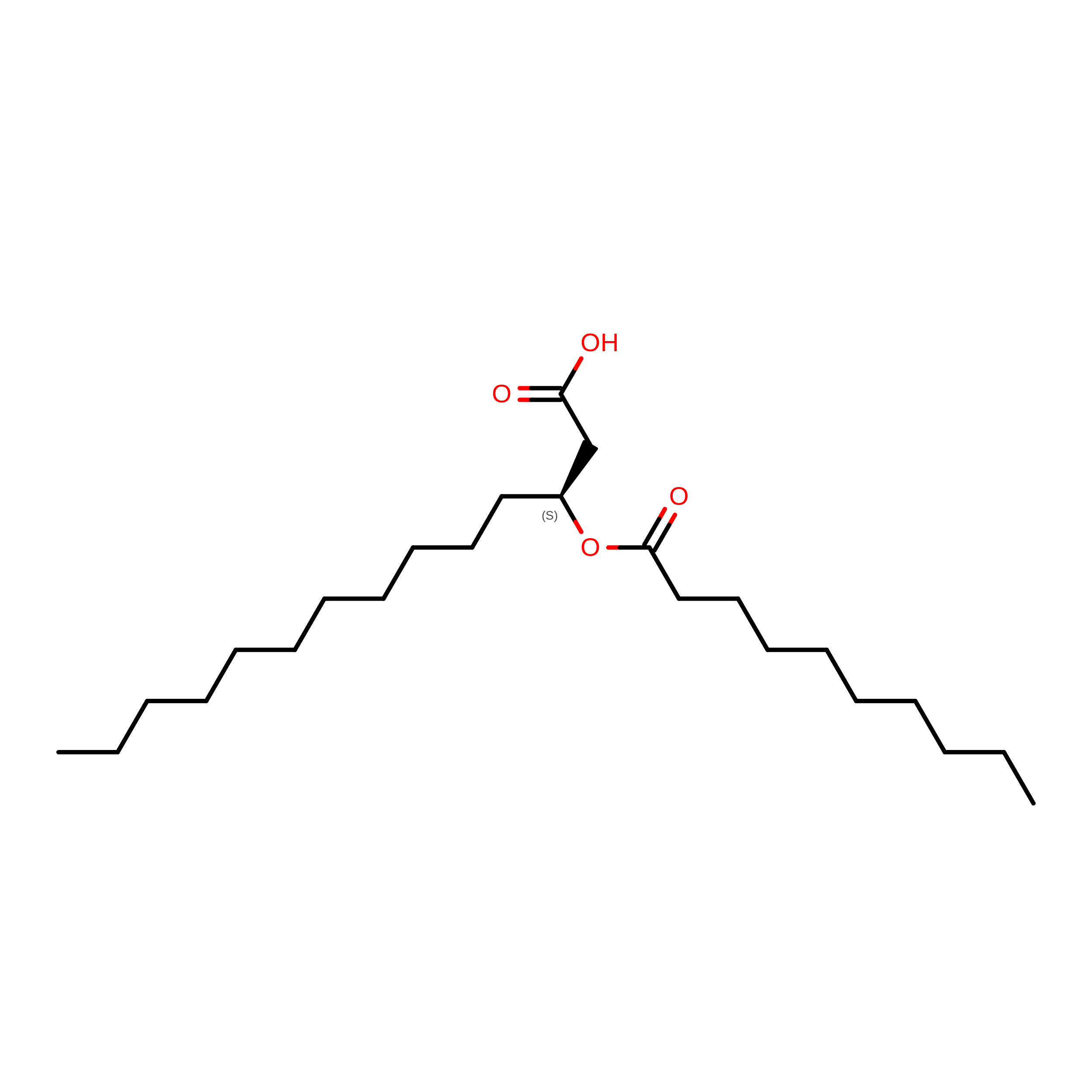 | A1L01 | U, ZAuthor: C, D |
Chemical diagrams are recorded RCSB component depictions. Glycan names and source identifiers retain the recorded linkage information.
Structure validation
Recorded PDBe metrics describe model geometry. Percentiles compare with the archive; they are not probabilities of correctness. Missing metrics are not zero.
Serious atomic overlaps per 1,000 atoms; lower is better.
Archive percentile: 37.3Backbone conformations outside preferred regions; lower is better.
Archive percentile: 100.0Unusual side-chain conformations; lower is better.
Archive percentile: 100.0Publication
Structural insight into TLR4/MD-2 activation by synthetic LPS mimetics with distinct binding modes.
Paper date: 05/05/2025 · Read publication ↗
Structure references are from the dated source record. Opening another structure follows your existing Atlas account permissions.
Available structures 10
Scroll across the table for evidence and actions.
10 recorded rows
| Record | Evidence type | Method | Resolution | Open |
|---|---|---|---|---|
| 2E56 | experimental | X-ray | 2.00 A | Open in Atlas ↗ |
| 2E59 | experimental | X-ray | 2.21 A | Open in Atlas ↗ |
| 4G8A | experimental | X-ray | 2.40 A | Open in Atlas ↗ |
| 8WO1 | experimental | EM | 2.24 A | Open in Atlas ↗ |
| 9J03 | experimental | EM | 2.70 A | Open in Atlas ↗ |
| 2Z65 | experimental | X-ray | 2.70 A | Open in Atlas ↗ |
| 8WTA | experimental | EM | 2.90 A | Open in Atlas ↗ |
| 3FXI | experimental | X-ray | 3.10 A | Open in Atlas ↗ |
| 3ULA | experimental | X-ray | 3.60 A | Open in Atlas ↗ |
| AF-Q9Y6Y9-F1 | predicted | AlphaFold | Not applicable | Open in Atlas ↗ |
Family & Domains
Domain architecture
Canonical coordinates. Overlapping marks share a lane; individual records and evidence are in the tables below. Gaps in coverage are not selectable in 3D. Use the track links and tables for keyboard inspection.
Atlas domains, motifs & repeats 1
Scroll across the table for evidence and actions.
1 recorded rows
| Annotation | Position | Source & interpretation | Inspect |
|---|---|---|---|
| MD-2-related lipid-recognition domainIPR003172 | 32–153 | INTERPROdomain The MD-2-related lipid-recognition (ML) domain is implicated in lipid recognition, particularly in the recognition of pathogen related products. It has an immunoglobulin-like β-sandwich fold similar to that of E-set Ig domains. Full source descriptionThe MD-2-related lipid-recognition (ML) domain is implicated in lipid recognition, particularly in the recognition of pathogen related products. It has an immunoglobulin-like β-sandwich fold similar to that of E-set Ig domains. This domain is present in proteins from plants, animals and fungi, including the following proteins: Epididymal secretory protein E1 (also known as Niemann-Pick C2 protein -Npc2), which is known to bind cholesterol. Niemann-Pick disease type C2 is a fatal hereditary disease characterised by accumulation of low-density lipoprotein-derived cholesterol in lysosomes. House-dust mite allergen proteins such as Der f 2 from Dermatophagoides farinae and Der p 2 from Dermatophagoides pteronyssinus. | 121/122 residues mapped to 8WO1 |
UniProt domains, repeats & motifs 0
No annotation is recorded in this UniProt entry.
Functional sites 0
No annotation is recorded in this UniProt entry.
Sequence regions 1
Scroll across the table for evidence and actions.
1 recorded rows
| Feature | Position | Description | Evidence | Inspect |
|---|---|---|---|---|
| Region | 119–123 | Interaction with lipopolysaccharide | Experimental evidence 2 publications Evidence & references
| 5/5 residues mapped to 8WO1 |
Sequence & Isoforms
Sequence & isoforms
UniProt’s canonical sequence is its selected representative. It is not necessarily the dominant isoform in every tissue.
Full precursor sequence, including processing regions. The mass describes this unmodified source sequence, not every mature or modified product.
MLPFLFFSTLFSSIFTEAQKQYWVCNSSDASISYTYCDKMQYPISINVNPCIELKRSKGLLHIFYIPRRDLKQLYFNLYITVNTMNLPKRKEVICRGSDDDYSFCRALKGETVNTTISFSFKGIKFSKGKYKCVVEAISGSPEEMLFCLEFVILHQPNSNSource isoform notes & selection
Alternative splicing
Complete source annotation
{
  "commentType": "ALTERNATIVE PRODUCTS",
  "events": [
    "Alternative splicing"
  ],
  "isoforms": [
    {
      "name": {
        "value": "1"
      },
      "isoformIds": [
        "Q9Y6Y9-1"
      ],
      "isoformSequenceStatus": "Displayed"
    },
    {
      "name": {
        "value": "2"
      },
      "isoformIds": [
        "Q9Y6Y9-2"
      ],
      "sequenceIds": [
        "VSP_055045"
      ],
      "isoformSequenceStatus": "Described"
    }
  ]
}- Q9Y6Y9-1 · 1 · Displayed
Complete source annotation
{ "name": { "value": "1" }, "isoformIds": [ "Q9Y6Y9-1" ], "isoformSequenceStatus": "Displayed" } - Q9Y6Y9-2 · 2 · Described · VSP_055045
Complete source annotation
{
  "name": {
    "value": "2"
  },
  "isoformIds": [
    "Q9Y6Y9-2"
  ],
  "sequenceIds": [
    "VSP_055045"
  ],
  "isoformSequenceStatus": "Described"
}
Isoform sequence differences 1
Scroll across the table for evidence and actions.
1 recorded rows
| Feature | Position | Description | Evidence | Inspect |
|---|---|---|---|---|
| Alternative sequenceVSP_055045 | 38–68 | in isoform 2 DKMQYPISINVNPCIELKRSKGLLHIFYIPR → G | Curator inference Evidence & references
| 30/31 residues mapped to 8WO1 |
Sequence conflicts & cautions 0
No annotation is recorded in this UniProt entry.
Recorded secondary structure 14
Scroll across the table for evidence and actions.
14 recorded rows
| Feature | Position | Description | Evidence | Inspect |
|---|---|---|---|---|
| Helix | 18–21 | Helix | Evidence & references
| 3/4 residues mapped to 8WO1 |
| Beta strand | 22–26 | Beta strand | Evidence & references
| 5/5 residues mapped to 8WO1 |
| Beta strand | 28–36 | Beta strand | Evidence & references
| 9/9 residues mapped to 8WO1 |
| Beta strand | 38–40 | Beta strand | Evidence & references
| 3/3 residues mapped to 8WO1 |
| Beta strand | 45–50 | Beta strand | Evidence & references
| 6/6 residues mapped to 8WO1 |
| Beta strand | 57–65 | Beta strand | Evidence & references
| 9/9 residues mapped to 8WO1 |
| Beta strand | 75–82 | Beta strand | Evidence & references
| 8/8 residues mapped to 8WO1 |
| Beta strand | 90–93 | Beta strand | Evidence & references
| 4/4 residues mapped to 8WO1 |
| Beta strand | 97–101 | Beta strand | Evidence & references
| 5/5 residues mapped to 8WO1 |
| Helix | 103–106 | Helix | Evidence & references
| 4/4 residues mapped to 8WO1 |
| Beta strand | 113–121 | Beta strand | Evidence & references
| 9/9 residues mapped to 8WO1 |
| Beta strand | 129–139 | Beta strand | Evidence & references
| 11/11 residues mapped to 8WO1 |
| Turn | 140–143 | Turn | Evidence & references
| 4/4 residues mapped to 8WO1 |
| Beta strand | 144–155 | Beta strand | Evidence & references
| 12/12 residues mapped to 8WO1 |
Homologs
OMA orthologs
Evolutionary relationships assigned by OMA, kept separate from sequence clusters. “1:1” describes an orthology relationship, not percentage identity.
Recorded preview of up to 12 orthologs; not an exhaustive list. Entries without a verified UniProt mapping open their OMA record.
Sources & References
Scientific descriptions and evidence come from the named sources. Atlas assembles the presentation and verifies residue mappings; it does not independently curate these claims.
Source dates & provenance
- UniProt / The UniProt Consortium ↗ · 2026-11-10T17:10:18.291027+00:00
- InterPro / EMBL-EBI and the member sources identified in the annotations ↗ · 2026-11-10T17:10:18.352730+00:00
- AlphaFold DB / DeepMind Technologies Limited / EMBL-EBI ↗ · 2026-11-10T17:10:19.991460+00:00
- UniProt / The UniProt Consortium ↗ · 2026-11-10T17:10:18.291027+00:00
- InterPro / EMBL-EBI and the member sources identified in the annotations ↗ · 2026-11-10T17:10:18.352730+00:00
- AlphaFold DB / DeepMind Technologies Limited / EMBL-EBI ↗ · 2026-11-10T17:10:19.991460+00:00
- Recorded scientific source ↗ · 2026-11-10T17:10:21.156407+00:00
- Recorded scientific source ↗ · 2026-11-10T17:10:21.251926+00:00
- Recorded scientific source ↗ · 2026-11-10T17:10:21.284062+00:00
- Recorded scientific source ↗ · 2026-11-10T17:10:21.404985+00:00
- Recorded scientific source ↗ · 2026-11-10T17:10:21.455333+00:00
- Recorded scientific source ↗ · 2026-11-10T17:10:21.573596+00:00
- Recorded scientific source ↗ · 2026-11-10T17:10:21.935791+00:00
- Recorded scientific source ↗ · 2026-11-10T17:10:22.058815+00:00
- Recorded scientific source ↗ · 2026-11-10T17:10:22.080066+00:00
- Recorded scientific source ↗ · 2026-11-10T17:10:22.273212+00:00
- Recorded scientific source ↗ · 2026-11-10T17:10:22.713277+00:00
- Recorded scientific source ↗ · 2026-11-10T17:10:22.952042+00:00
- Recorded scientific source ↗ · 2026-11-10T17:10:23.591105+00:00
- Recorded scientific source ↗ · 2026-11-10T17:10:23.613944+00:00
- Recorded scientific source ↗ · 2026-11-10T17:10:23.962878+00:00
- Recorded scientific source ↗ · 2026-11-10T17:10:23.983544+00:00
- Recorded scientific source ↗ · 2026-11-10T17:10:24.103175+00:00
- Recorded scientific source ↗ · 2026-11-10T17:10:24.194152+00:00
- Recorded scientific source ↗ · 2026-11-10T17:10:24.295979+00:00
- Recorded scientific source ↗ · 2026-11-10T17:10:24.311187+00:00
- Recorded scientific source ↗ · 2026-11-10T17:10:24.397002+00:00
- Recorded scientific source ↗ · 2026-11-10T17:10:24.467104+00:00
- Recorded scientific source ↗ · 2026-11-10T17:10:24.994611+00:00
- Recorded scientific source ↗ · 2026-11-10T17:10:25.021327+00:00
- Recorded scientific source ↗ · 2026-11-10T17:10:25.472760+00:00
- Recorded scientific source ↗ · 2026-11-10T17:10:25.497723+00:00
- Recorded scientific source ↗ · 2026-11-10T17:10:25.625011+00:00
- Recorded scientific source ↗ · 2026-11-10T17:10:26.299374+00:00
- Recorded scientific source ↗ · 2026-11-10T17:10:26.908182+00:00
- Recorded scientific source ↗ · 2026-11-10T17:10:27.350357+00:00
- Recorded scientific source ↗ · 2026-11-10T17:10:27.371015+00:00
- Recorded scientific source ↗ · 2026-11-10T17:10:27.985576+00:00
- Recorded scientific source ↗ · 2026-11-10T17:10:28.027752+00:00
- Recorded scientific source ↗ · 2026-11-10T17:10:28.054136+00:00
- Recorded scientific source ↗ · 2026-11-10T17:10:28.112403+00:00
- Recorded scientific source ↗ · 2026-11-10T17:10:28.141365+00:00
- Recorded scientific source ↗ · 2026-11-10T17:10:28.168961+00:00
- Recorded scientific source ↗ · 2026-11-10T17:10:28.207829+00:00
- Recorded scientific source ↗ · 2026-11-10T17:10:28.241478+00:00
- Recorded scientific source ↗ · 2026-11-10T17:10:28.315157+00:00
- Recorded scientific source ↗ · 2026-11-10T17:10:28.367648+00:00
- Recorded scientific source ↗ · 2026-11-10T17:10:28.391347+00:00
- Recorded scientific source ↗ · 2026-11-10T17:10:28.486613+00:00
- Recorded scientific source ↗ · 2026-11-10T17:10:28.519454+00:00
- Recorded scientific source ↗ · 2026-11-10T17:10:29.163226+00:00
- Recorded scientific source ↗ · 2026-11-10T17:10:29.188080+00:00
- Recorded scientific source ↗ · 2026-11-10T17:10:29.346285+00:00
- Recorded scientific source ↗ · 2026-11-10T17:10:29.890781+00:00
- Recorded scientific source ↗ · 2026-11-10T17:10:31.010496+00:00
- Recorded scientific source ↗ · 2026-11-10T17:10:31.723528+00:00
- Recorded scientific source ↗ · 2026-11-10T17:10:32.376158+00:00
- Recorded scientific source ↗ · 2026-11-10T17:10:33.453162+00:00
- Recorded scientific source ↗ · 2026-11-10T17:10:33.480114+00:00
- Recorded scientific source ↗ · 2026-11-10T17:10:33.956126+00:00
- Recorded scientific source ↗ · 2026-11-10T17:10:34.013443+00:00
- Recorded scientific source ↗ · 2026-11-10T17:10:34.113661+00:00
- Recorded scientific source ↗ · 2026-11-10T17:10:34.215528+00:00
- Recorded scientific source ↗ · 2026-11-10T17:10:34.998442+00:00
- Recorded scientific source ↗ · 2026-11-10T17:10:35.025217+00:00
- Recorded scientific source ↗ · 2026-11-10T17:10:35.051071+00:00
- Recorded scientific source ↗ · 2026-11-10T17:10:35.079025+00:00
- Recorded scientific source ↗ · 2026-11-10T17:10:35.896998+00:00
- Recorded scientific source ↗ · 2026-11-10T17:10:35.929351+00:00
- Recorded scientific source ↗ · 2026-11-10T17:10:35.965465+00:00
- Recorded scientific source ↗ · 2026-11-10T17:10:36.264761+00:00
- Recorded scientific source ↗ · 2026-11-10T17:10:36.365021+00:00
- Recorded scientific source ↗ · 2026-11-10T17:10:36.413122+00:00
- Recorded scientific source ↗ · 2026-11-10T17:10:37.003086+00:00
- Recorded scientific source ↗ · 2026-11-10T17:10:37.069009+00:00
- Recorded scientific source ↗ · 2026-11-10T17:10:37.086528+00:00
- Recorded scientific source ↗ · 2026-11-10T17:10:37.268277+00:00
- Recorded scientific source ↗ · 2026-11-10T17:10:37.871309+00:00
- Recorded scientific source ↗ · 2026-11-10T17:10:38.379353+00:00
- Recorded scientific source ↗ · 2026-11-10T17:10:38.577675+00:00
- Recorded scientific source ↗ · 2026-11-10T17:10:39.110272+00:00
- Recorded scientific source ↗ · 2026-11-10T17:10:39.177008+00:00
- Recorded scientific source ↗ · 2026-11-10T17:10:39.380793+00:00
- Recorded scientific source ↗ · 2026-11-10T17:14:00.191596+00:00
- Recorded scientific source ↗ · 2026-11-10T17:14:00.360541+00:00
- Recorded scientific source ↗ · 2026-11-10T17:14:00.734389+00:00
- Recorded scientific source ↗ · 2026-11-10T17:14:00.932655+00:00
- Recorded scientific source ↗ · 2026-11-10T17:14:01.137777+00:00
- Recorded scientific source ↗ · 2026-11-10T17:14:01.438397+00:00
- Recorded scientific source ↗ · 2026-11-10T18:44:46.329201+00:00
- Recorded scientific source ↗ · 2026-11-10T18:44:46.422381+00:00
- Recorded scientific source ↗ · 2026-11-10T18:44:46.605097+00:00
- Recorded scientific source ↗ · 2026-11-10T18:47:01.515934+00:00
- Recorded scientific source ↗ · 2026-11-10T18:44:46.702006+00:00
- Recorded scientific source ↗ · 2026-11-10T18:47:01.606429+00:00
- Recorded scientific source ↗ · 2026-11-10T18:47:01.693493+00:00
- Recorded scientific source ↗ · 2026-11-10T18:47:01.781053+00:00
- Recorded scientific source ↗ · 2026-11-10T18:47:01.868645+00:00
- Recorded scientific source ↗ · 2026-11-10T18:47:01.955698+00:00
- Recorded scientific source ↗ · 2026-11-10T18:47:02.043950+00:00
- Recorded scientific source ↗ · 2026-11-10T18:47:02.132981+00:00
- Recorded scientific source ↗ · 2026-11-10T18:46:24.986450+00:00
- Recorded scientific source ↗ · 2026-11-10T18:47:02.223183+00:00
- Recorded scientific source ↗ · 2026-11-10T18:47:02.313977+00:00
- Recorded scientific source ↗ · 2026-11-10T18:47:02.405318+00:00
- Recorded scientific source ↗ · 2026-11-10T18:47:02.499416+00:00
- Recorded scientific source ↗ · 2026-11-10T18:47:02.595045+00:00
- Recorded scientific source ↗ · 2026-11-10T18:47:02.690786+00:00
- Recorded scientific source ↗ · 2026-11-10T18:47:02.780861+00:00
- Recorded scientific source ↗ · 2026-11-10T18:47:02.871493+00:00
- Recorded scientific source ↗ · 2026-11-10T18:47:03.068170+00:00
- Recorded scientific source ↗ · 2026-11-10T18:47:03.127321+00:00
- Recorded scientific source ↗ · 2026-11-10T18:47:03.219782+00:00
- Recorded scientific source ↗ · 2026-11-10T18:47:03.310105+00:00
- Recorded scientific source ↗ · 2026-11-10T18:47:03.405945+00:00
- Recorded scientific source ↗ · 2026-11-10T18:47:03.494830+00:00
- Recorded scientific source ↗ · 2026-11-10T18:47:03.583323+00:00
- Recorded scientific source ↗ · 2026-11-10T18:47:03.671871+00:00
- Recorded scientific source ↗ · 2026-11-10T18:47:03.760547+00:00
- Recorded scientific source ↗ · 2026-11-10T18:47:03.937773+00:00
- Recorded scientific source ↗ · 2026-11-10T19:00:28.459869+00:00
- Recorded scientific source ↗ · 2026-11-10T19:00:28.545255+00:00
- Recorded scientific source ↗ · 2026-11-10T19:00:28.634669+00:00
- Recorded scientific source ↗ · 2026-11-10T19:00:28.716571+00:00
- Recorded scientific source ↗ · 2026-11-10T19:00:28.801107+00:00
- Recorded scientific source ↗ · 2026-11-10T19:00:28.884962+00:00
- Recorded scientific source ↗ · 2026-11-10T19:00:28.971053+00:00
- Recorded scientific source ↗ · 2026-11-10T19:00:29.070236+00:00
- Recorded scientific source ↗ · 2026-11-10T19:00:29.150941+00:00
- Recorded scientific source ↗ · 2026-11-10T19:00:29.234843+00:00
- Recorded scientific source ↗ · 2026-11-10T19:00:29.316867+00:00
Recorded 2026-11-10. Source dates and identifiers are retained below.
Publications in this UniProt entry
1999 · J. Exp. Med.
PubMed 10359581 ↗Scope & authors
NUCLEOTIDE SEQUENCE [MRNA] (ISOFORM 1); VARIANT GLY-56; FUNCTION; INTERACTION WITH TLR4; SUBCELLULAR LOCATION
Shimazu R., Akashi S., Ogata H., Nagai Y., Fukudome K., Miyake K., Kimoto M.
2000 · Blood
PubMed 10891475 ↗Scope & authors
NUCLEOTIDE SEQUENCE [MRNA] (ISOFORM 1); VARIANT GLY-56
Kato K., Morrison A.M., Nakano T., Tashiro K., Honjo T.
2001 · J. Exp. Med.
PubMed 11435474 ↗Scope & authors
NUCLEOTIDE SEQUENCE [MRNA] (ISOFORM 1); MUTAGENESIS OF CYS-95; VARIANT GLY-56
Schromm A.B., Lien E., Henneke P., Chow J.C., Yoshimura A., Heine H., Latz E., Monks B.G., Schwartz D.A., Miyake K., Golenbock D.T.
2008 · Immunogenetics
PubMed 18810425 ↗Scope & authors
NUCLEOTIDE SEQUENCE [MRNA] (ISOFORM 1); VARIANT GLY-56
Nakajima T., Ohtani H., Satta Y., Uno Y., Akari H., Ishida T., Kimura A.
All source publications (12)
2006 · Nature
PubMed 16421571 ↗Scope & authors
NUCLEOTIDE SEQUENCE [LARGE SCALE GENOMIC DNA]
Nusbaum C., Mikkelsen T.S., Zody M.C., Asakawa S., Taudien S., Garber M., Kodira C.D., Schueler M.G., Shimizu A., Whittaker C.A., Chang J.L., Cuomo C.A., Dewar K., FitzGerald M.G., Yang X., Allen N.R., Anderson S., Asakawa T., Blechschmidt K., Bloom T., Borowsky M.L., Butler J., Cook A., Corum B., DeArellano K., DeCaprio D., Dooley K.T., Dorris L. III, Engels R., Gloeckner G., Hafez N., Hagopian D.S., Hall J.L., Ishikawa S.K., Jaffe D.B., Kamat A., Kudoh J., Lehmann R., Lokitsang T., Macdonald P., Major J.E., Matthews C.D., Mauceli E., Menzel U., Mihalev A.H., Minoshima S., Murayama Y., Naylor J.W., Nicol R., Nguyen C., O'Leary S.B., O'Neill K., Parker S.C.J., Polley A., Raymond C.K., Reichwald K., Rodriguez J., Sasaki T., Schilhabel M., Siddiqui R., Smith C.L., Sneddon T.P., Talamas J.A., Tenzin P., Topham K., Venkataraman V., Wen G., Yamazaki S., Young S.K., Zeng Q., Zimmer A.R., Rosenthal A., Birren B.W., Platzer M., Shimizu N., Lander E.S.
2004 · Genome Res.
PubMed 15489334 ↗Scope & authors
NUCLEOTIDE SEQUENCE [LARGE SCALE MRNA] (ISOFORM 1); VARIANT GLY-56
2001 · J. Biol. Chem.
PubMed 11274165 ↗Scope & authors
SUBUNIT; SUBCELLULAR LOCATION
da Silva Correia J., Soldau K., Christen U., Tobias P.S., Ulevitch R.J.
2001 · J. Immunol.
PubMed 11160242 ↗Scope & authors
INTERACTION WITH TLR2 AND TLR4; FUNCTION
Dziarski R., Wang Q., Miyake K., Kirschning C.J., Gupta D.
2001 · Proc. Natl. Acad. Sci. U.S.A.
PubMed 11593030 ↗Scope & authors
DISULFIDE BONDS; GLYCOSYLATION; SUBCELLULAR LOCATION; FUNCTION; INTERACTION WITH TLR4
Visintin A., Mazzoni A., Spitzer J.A., Segal D.M.
2003 · Proc. Natl. Acad. Sci. U.S.A.
PubMed 12642668 ↗Scope & authors
INTERCHAIN DISULFIDE BOND
Mullen G.E.D., Kennedy M.N., Visintin A., Mazzoni A., Leifer C.A., Davies D.R., Segal D.M.
2007 · Cell
PubMed 17803912 ↗Scope & authors
X-RAY CRYSTALLOGRAPHY IN COMPLEX WITH TLR4 AND LIPOPOLYSACCHARIDE ANALOG; SUBUNIT
Kim H.M., Park B.S., Kim J.-I., Kim S.E., Lee J., Oh S.C., Enkhbayar P., Matsushima N., Lee H., Yoo O.J., Lee J.-O.
2007 · Science
PubMed 17569869 ↗Scope & authors
X-RAY CRYSTALLOGRAPHY IN COMPLEX WITH LIPID IV-A; DISULFIDE BONDS; GLYCOSYLATION AT ASN-26 AND ASN-114
Ohto U., Fukase K., Miyake K., Satow Y.
Annotation coverage audit
Every recorded UniProt comment and feature has a destination in this page. GO, Atlas annotations and interaction rows retain their separate source counts.
32 source comments and features accounted for.
View annotation inventory
| Source record | Type | Section |
|---|---|---|
| FUNCTION:0 | FUNCTION | function |
| SUBUNIT:0 | SUBUNIT | interactions |
| INTERACTION:0 | INTERACTION | interactions |
| SUBCELLULAR LOCATION:0 | SUBCELLULAR LOCATION | location |
| ALTERNATIVE PRODUCTS:0 | ALTERNATIVE PRODUCTS | sequence |
| PTM:0 | PTM | processing |
| feature-0 | Signal | processing |
| feature-1 | Chain | processing |
| feature-2 | Region | domains |
| feature-3 | Glycosylation | processing |
| feature-4 | Glycosylation | processing |
| feature-5 | Disulfide bond | processing |
| feature-6 | Disulfide bond | processing |
| feature-7 | Disulfide bond | processing |
| feature-8 | Alternative sequence | sequence |
| feature-9 | Natural variant | disease |
| feature-10 | Natural variant | disease |
| feature-11 | Mutagenesis | disease |
| feature-12 | Helix | sequence |
| feature-13 | Beta strand | sequence |
| feature-14 | Beta strand | sequence |
| feature-15 | Beta strand | sequence |
| feature-16 | Beta strand | sequence |
| feature-17 | Beta strand | sequence |
| feature-18 | Beta strand | sequence |
| feature-19 | Beta strand | sequence |
| feature-20 | Beta strand | sequence |
| feature-21 | Helix | sequence |
| feature-22 | Beta strand | sequence |
| feature-23 | Beta strand | sequence |
| feature-24 | Turn | sequence |
| feature-25 | Beta strand | sequence |