INSInsulin
Hormone secreted by pancreatic islet beta cells, that is the principal anabolic regulator of glucose, lipid, and protein metabolism and the central controller of blood glucose homeostasis.
UniProt locations Secreted
Function
Hormone secreted by pancreatic islet beta cells, that is the principal anabolic regulator of glucose, lipid, and protein metabolism and the central controller of blood glucose homeostasis [19]. Acts by binding to and activating the insulin receptor INSR, a receptor tyrosine kinase, triggering INSR autophosphorylation and recruitment/phosphorylation of insulin receptor substrate proteins IRS1 and IRS2, which activate the downstream PI3K/AKT and RAS/MAPK signaling cascades [33]. Through the PI3K/AKT pathway, stimulates glucose uptake into skeletal muscle and adipose tissue by promoting translocation of the glucose transporter GLUT4/SLC2A4 from intracellular storage vesicles to the plasma membrane [35].
In liver and muscle, promotes glycogen synthesis through AKT-mediated inhibitory phosphorylation of glycogen synthase kinase-3 (GSK3), thereby activating glycogen synthase [34]. In the liver, suppresses hepatic glucose production by inhibiting gluconeogenesis, in part through phosphorylation and exclusion of the FOXO1 transcription factor, which downregulates the gluconeogenic enzymes PEPCK and glucose-6-phosphatase [37]. In adipose tissue, promotes lipogenesis and potently suppresses lipolysis, reducing the flux of free fatty acids and glycerol to the liver and thereby further restraining hepatic gluconeogenesis [38]
Evidence & references
- ECO:0000269 PubMed:12754525 ↗
- ECO:0000269 PubMed:15113941 ↗
- ECO:0000269 PubMed:32291281 ↗
- ECO:0000269 PubMed:7763247 ↗
- ECO:0000269 PubMed:7983060 ↗
- ECO:0000269 PubMed:9235985 ↗
Complete source annotation
{
  "texts": [
    {
      "evidences": [
        {
          "evidenceCode": "ECO:0000269",
          "source": "PubMed",
          "id": "12754525"
        },
        {
          "evidenceCode": "ECO:0000269",
          "source": "PubMed",
          "id": "15113941"
        },
        {
          "evidenceCode": "ECO:0000269",
          "source": "PubMed",
          "id": "32291281"
        },
        {
          "evidenceCode": "ECO:0000269",
          "source": "PubMed",
          "id": "7763247"
        },
        {
          "evidenceCode": "ECO:0000269",
          "source": "PubMed",
          "id": "7983060"
        },
        {
          "evidenceCode": "ECO:0000269",
          "source": "PubMed",
          "id": "9235985"
        }
      ],
      "value": "Hormone secreted by pancreatic islet beta cells, that is the principal anabolic regulator of glucose, lipid, and protein metabolism and the central controller of blood glucose homeostasis (PubMed:32291281). Acts by binding to and activating the insulin receptor INSR, a receptor tyrosine kinase, triggering INSR autophosphorylation and recruitment/phosphorylation of insulin receptor substrate proteins IRS1 and IRS2, which activate the downstream PI3K/AKT and RAS/MAPK signaling cascades (PubMed:7983060). Through the PI3K/AKT pathway, stimulates glucose uptake into skeletal muscle and adipose tissue by promoting translocation of the glucose transporter GLUT4/SLC2A4 from intracellular storage vesicles to the plasma membrane (PubMed:9235985). In liver and muscle, promotes glycogen synthesis through AKT-mediated inhibitory phosphorylation of glycogen synthase kinase-3 (GSK3), thereby activating glycogen synthase (PubMed:7763247). In the liver, suppresses hepatic glucose production by inhibiting gluconeogenesis, in part through phosphorylation and exclusion of the FOXO1 transcription factor, which downregulates the gluconeogenic enzymes PEPCK and glucose-6-phosphatase (PubMed:12754525). In adipose tissue, promotes lipogenesis and potently suppresses lipolysis, reducing the flux of free fatty acids and glycerol to the liver and thereby further restraining hepatic gluconeogenesis (PubMed:15113941)"
    }
  ],
  "commentType": "FUNCTION"
}
Pharmaceutical notes
Available under the names Humulin or Humalog (Eli Lilly) and Novolin (Novo Nordisk). Used in the treatment of diabetes. Humalog is an insulin analog with 52-Lys-Pro-53 instead of 52-Pro-Lys-53
Evidence & references
No separate evidence record is supplied for this statement.
Complete source annotation
{
  "texts": [
    {
      "value": "Available under the names Humulin or Humalog (Eli Lilly) and Novolin (Novo Nordisk). Used in the treatment of diabetes. Humalog is an insulin analog with 52-Lys-Pro-53 instead of 52-Pro-Lys-53"
    }
  ],
  "commentType": "PHARMACEUTICAL"
}
GO functions & biological processes
GO:0010629 · evidence & context
- ECO:0000314 PMID:31501273 ↗ IDA · ARUK-UCL · 20210717qualifier: acts_upstream_ofextensions: [{"connectedXrefs": [{"db": "CL", "id": "0000540", "relation": "occurs_in"}, {"db": "RNAcentral", "id": "URS0000591950_9606", "relation": "has_input"}]}]
GO:0010629 · evidence & context
- ECO:0000314 PMID:31501273 ↗ IDA · ARUK-UCL · 20210717qualifier: acts_upstream_ofextensions: [{"connectedXrefs": [{"db": "CL", "id": "0000540", "relation": "occurs_in"}, {"db": "UniProtKB", "id": "P61978", "relation": "has_input"}]}]
GO:0002020 · evidence & context
- ECO:0000353 PMID:20082125 ↗ IPI · UniProt · 20120713qualifier: enableswithFrom: [{"connectedXrefs": [{"db": "UniProtKB", "id": "P14735"}]}]
GO:0005158 · evidence & context
- ECO:0000318 GO_REF:0000033 IBA · GO_Central · 20250306qualifier: enableswithFrom: [{"connectedXrefs": [{"db": "PANTHER", "id": "PTN002606702"}]}, {"connectedXrefs": [{"db": "RGD", "id": "2915"}]}, {"connectedXrefs": [{"db": "UniProtKB", "id": "A5PJB2"}]}, {"connectedXrefs": [{"db": "UniProtKB", "id": "P01308"}]}, {"connectedXrefs": [{"db": "UniProtKB", "id": "P01317"}]}]
- ECO:0000314 PMID:7556975 ↗ IDA · UniProt · 20050722qualifier: enables
- ECO:0000353 PMID:8452530 ↗ IPI · BHF-UCL · 20080528qualifier: enableswithFrom: [{"connectedXrefs": [{"db": "UniProtKB", "id": "P06213"}]}]
- ECO:0000314 PMID:9667398 ↗ IDA · BHF-UCL · 20080602qualifier: enables
GO:0005159 · evidence & context
- ECO:0000353 PMID:8452530 ↗ IPI · BHF-UCL · 20080528qualifier: enableswithFrom: [{"connectedXrefs": [{"db": "UniProtKB", "id": "P08069"}]}]
All recorded function and process assertions (68)
GO:0005179 · evidence & context
- ECO:0000256 GO_REF:0000002 IEA · InterPro · 20260727qualifier: enableswithFrom: [{"connectedXrefs": [{"db": "InterPro", "id": "IPR004825"}]}, {"connectedXrefs": [{"db": "InterPro", "id": "IPR016179"}]}, {"connectedXrefs": [{"db": "InterPro", "id": "IPR022352"}]}]
- ECO:0000318 GO_REF:0000033 IBA · GO_Central · 20250306qualifier: enableswithFrom: [{"connectedXrefs": [{"db": "PANTHER", "id": "PTN002606702"}]}, {"connectedXrefs": [{"db": "UniProtKB", "id": "P01308"}]}, {"connectedXrefs": [{"db": "UniProtKB", "id": "P01315"}]}]
- ECO:0000303 PMID:14986111 ↗ NAS · UniProt · 20050722qualifier: enables
- ECO:0000315 PMID:381941 ↗ IMP · BHF-UCL · 20080602qualifier: enables
- ECO:0000305 PMID:9667398 ↗ IC · BHF-UCL · 20080602qualifier: enableswithFrom: [{"connectedXrefs": [{"db": "GO", "id": "0005158"}]}]
GO:0005515 · evidence & context
- ECO:0000353 PMID:17051221 ↗ IPI · IntAct · 20260725qualifier: enableswithFrom: [{"connectedXrefs": [{"db": "UniProtKB", "id": "P14735-1"}]}]
- ECO:0000353 PMID:23302862 ↗ IPI · IntAct · 20260725qualifier: enableswithFrom: [{"connectedXrefs": [{"db": "UniProtKB", "id": "P06213-2"}]}]
- ECO:0000353 PMID:29512653 ↗ IPI · IntAct · 20260725qualifier: enableswithFrom: [{"connectedXrefs": [{"db": "UniProtKB", "id": "P06213-2"}]}]
- ECO:0000353 PMID:32296183 ↗ IPI · IntAct · 20260725qualifier: enableswithFrom: [{"connectedXrefs": [{"db": "UniProtKB", "id": "A8MQ03"}]}]
- ECO:0000353 PMID:32296183 ↗ IPI · IntAct · 20260725qualifier: enableswithFrom: [{"connectedXrefs": [{"db": "UniProtKB", "id": "P0DPK4"}]}]
- ECO:0000353 PMID:32296183 ↗ IPI · IntAct · 20260725qualifier: enableswithFrom: [{"connectedXrefs": [{"db": "UniProtKB", "id": "Q07627"}]}]
- ECO:0000353 PMID:32296183 ↗ IPI · IntAct · 20260725qualifier: enableswithFrom: [{"connectedXrefs": [{"db": "UniProtKB", "id": "Q6UY14-3"}]}]
- ECO:0000353 PMID:32296183 ↗ IPI · IntAct · 20260725qualifier: enableswithFrom: [{"connectedXrefs": [{"db": "UniProtKB", "id": "Q8IUG1"}]}]
- ECO:0000353 PMID:9388210 ↗ IPI · BHF-UCL · 20090923qualifier: enableswithFrom: [{"connectedXrefs": [{"db": "UniProtKB", "id": "P17936"}]}]
- ECO:0000353 PMID:9388210 ↗ IPI · BHF-UCL · 20090923qualifier: enableswithFrom: [{"connectedXrefs": [{"db": "UniProtKB", "id": "Q16270"}]}]
- ECO:0000353 PMID:9773776 ↗ IPI · UniProt · 20050722qualifier: enableswithFrom: [{"connectedXrefs": [{"db": "UniProtKB", "id": "P98164"}]}]
GO:0042802 · evidence & context
- ECO:0000353 PMID:17472440 ↗ IPI · IntAct · 20260725qualifier: enableswithFrom: [{"connectedXrefs": [{"db": "UniProtKB", "id": "P01308"}]}]
- ECO:0000353 PMID:20738396 ↗ IPI · IntAct · 20260725qualifier: enableswithFrom: [{"connectedXrefs": [{"db": "UniProtKB", "id": "P01308"}]}]
- ECO:0000353 PMID:22854022 ↗ IPI · IntAct · 20260725qualifier: enableswithFrom: [{"connectedXrefs": [{"db": "UniProtKB", "id": "P01308"}]}]
- ECO:0000353 PMID:23106816 ↗ IPI · IntAct · 20260725qualifier: enableswithFrom: [{"connectedXrefs": [{"db": "UniProtKB", "id": "P01308"}]}]
- ECO:0000353 PMID:23416304 ↗ IPI · IntAct · 20260725qualifier: enableswithFrom: [{"connectedXrefs": [{"db": "UniProtKB", "id": "P01308"}]}]
- ECO:0000353 PMID:23510797 ↗ IPI · IntAct · 20260725qualifier: enableswithFrom: [{"connectedXrefs": [{"db": "UniProtKB", "id": "P01308"}]}]
GO:0048018 · evidence & context
- ECO:0000314 PMID:29512653 ↗ IDA · MGI · 20220712qualifier: enablesextensions: [{"connectedXrefs": [{"db": "UniProtKB", "id": "P06213", "relation": "has_input"}]}]
GO:0048018 · evidence & context
- ECO:0000314 PMID:8702995 ↗ IDA · BHF-UCL · 20250305qualifier: enablesextensions: [{"connectedXrefs": [{"db": "GO", "id": "0008286", "relation": "part_of"}]}]
GO:0001819 · evidence & context
- ECO:0000314 PMID:15473891 ↗ IDA · UniProt · 20050721qualifier: involved_in
GO:0002674 · evidence & context
- ECO:0000314 PMID:11443198 ↗ IDA · BHF-UCL · 20080602qualifier: involved_in
GO:0006355 · evidence & context
- ECO:0000303 PMID:12881524 ↗ NAS · BHF-UCL · 20080606qualifier: involved_in
GO:0006953 · evidence & context
- ECO:0000314 PMID:14739855 ↗ IDA · BHF-UCL · 20080605qualifier: involved_in
GO:0007186 · evidence & context
- ECO:0000314 PMID:9092559 ↗ IDA · BHF-UCL · 20080606qualifier: involved_in
GO:0007267 · evidence & context
- ECO:0000305 PMID:7556975 ↗ IC · UniProt · 20050722qualifier: involved_inwithFrom: [{"connectedXrefs": [{"db": "GO", "id": "0005158"}]}]
GO:0008284 · evidence & context
- ECO:0000314 PMID:17925406 ↗ IDA · BHF-UCL · 20090429qualifier: involved_in
- ECO:0000314 PMID:7688386 ↗ IDA · BHF-UCL · 20180313qualifier: involved_in
GO:0008286 · evidence & context
- ECO:0000315 PMID:14615391 ↗ IMP · UniProt · 20231211qualifier: involved_in
- ECO:0000314 PMID:15792832 ↗ IDA · UniProt · 20231211qualifier: involved_in
- ECO:0000314 PMID:20455999 ↗ IDA · BHF-UCL · 20141205qualifier: involved_in
- ECO:0000314 PMID:8702995 ↗ IDA · BHF-UCL · 20250305qualifier: involved_in
GO:0008286 · evidence & context
- ECO:0000316 PMID:19727662 ↗ IGI · ARUK-UCL · 20241029qualifier: involved_inwithFrom: [{"connectedXrefs": [{"db": "UniProtKB", "id": "P01308"}]}]extensions: [{"connectedXrefs": [{"db": "CL", "id": "0002539", "relation": "occurs_in"}]}]
GO:0010628 · evidence & context
- ECO:0000316 PMID:25403480 ↗ IGI · BHF-UCL · 20160425qualifier: involved_inwithFrom: [{"connectedXrefs": [{"db": "RNAcentral", "id": "URS00004AD914_9606"}, {"db": "RNAcentral", "id": "URS00004BCD9C_9606"}]}]extensions: [{"connectedXrefs": [{"db": "UniProtKB", "id": "P06213", "relation": "has_input"}, {"db": "CL", "id": "0000737", "relation": "occurs_in"}]}]
GO:0010976 · evidence & context
- ECO:0000305 PMID:36250347 ↗ IC · UniProt · 20230824qualifier: involved_in
GO:0030307 · evidence & context
- ECO:0000303 PMID:11742412 ↗ NAS · BHF-UCL · 20090219qualifier: involved_in
GO:0030335 · evidence & context
- ECO:0000250 PMID:12138094 ↗ ISS · BHF-UCL · 20090430qualifier: involved_inwithFrom: [{"connectedXrefs": [{"db": "UniProtKB", "id": "P01315"}]}]
GO:0032880 · evidence & context
- ECO:0000314 PMID:14615391 ↗ IDA · BHF-UCL · 20080605qualifier: involved_in
GO:0038060 · evidence & context
- ECO:0000314 PMID:14744991 ↗ IDA · UniProt · 20210119qualifier: involved_in
GO:0042060 · evidence & context
- ECO:0000314 PMID:9498508 ↗ IDA · BHF-UCL · 20080605qualifier: involved_in
GO:0042177 · evidence & context
- ECO:0000314 PMID:15185208 ↗ IDA · UniProt · 20050721qualifier: involved_in
GO:0042311 · evidence & context
- ECO:0000303 PMID:12946932 ↗ NAS · UniProt · 20210118qualifier: involved_in
- ECO:0000314 PMID:14744991 ↗ IDA · UniProt · 20210119qualifier: involved_in
GO:0042593 · evidence & context
- ECO:0000318 GO_REF:0000033 IBA · GO_Central · 20220922qualifier: involved_inwithFrom: [{"connectedXrefs": [{"db": "MGI", "id": "MGI:96573"}]}, {"connectedXrefs": [{"db": "PANTHER", "id": "PTN000155764"}]}, {"connectedXrefs": [{"db": "RGD", "id": "2915"}]}, {"connectedXrefs": [{"db": "UniProtKB", "id": "P01308"}]}]
- ECO:0000315 PMID:381941 ↗ IMP · BHF-UCL · 20080602qualifier: involved_in
GO:0043123 · evidence & context
- ECO:0000314 PMID:19727662 ↗ IDA · BHF-UCL · 20241029qualifier: involved_inextensions: [{"connectedXrefs": [{"db": "CL", "id": "0002539", "relation": "occurs_in"}, {"db": "GO", "id": "0008286", "relation": "part_of"}]}]
GO:0043410 · evidence & context
- ECO:0000314 PMID:11500939 ↗ IDA · BHF-UCL · 20090430qualifier: involved_in
GO:0043410 · evidence & context
- ECO:0000314 PMID:20455999 ↗ IDA · BHF-UCL · 20141205qualifier: involved_inextensions: [{"connectedXrefs": [{"db": "GO", "id": "0008286", "relation": "part_of"}]}]
GO:0045597 · evidence & context
- ECO:0000303 PMID:11742412 ↗ NAS · BHF-UCL · 20090219qualifier: involved_in
GO:0045721 · evidence & context
- ECO:0000303 PMID:11742412 ↗ NAS · BHF-UCL · 20090219qualifier: involved_in
GO:0045725 · evidence & context
- ECO:0000314 PMID:17925406 ↗ IDA · BHF-UCL · 20090429qualifier: involved_in
GO:0045818 · evidence & context
- ECO:0000315 PMID:381941 ↗ IMP · BHF-UCL · 20080602qualifier: involved_in
GO:0045821 · evidence & context
- ECO:0000315 PMID:381941 ↗ IMP · BHF-UCL · 20080609qualifier: involved_in
- ECO:0000314 PMID:7688386 ↗ IDA · BHF-UCL · 20080530qualifier: involved_in
GO:0045840 · evidence & context
- ECO:0000314 PMID:10644978 ↗ IDA · UniProt · 20110406qualifier: involved_in
- ECO:0000314 PMID:11500939 ↗ IDA · BHF-UCL · 20090430qualifier: involved_in
GO:0045922 · evidence & context
- ECO:0000315 PMID:1184755 ↗ IMP · BHF-UCL · 20080602qualifier: involved_in
GO:0046326 · evidence & context
- ECO:0000314 PMID:14615391 ↗ IDA · BHF-UCL · 20080605qualifier: involved_in
GO:0046326 · evidence & context
- ECO:0000314 PMID:15792832 ↗ IDA · UniProt · 20180914qualifier: involved_inextensions: [{"connectedXrefs": [{"db": "GO", "id": "0071731", "relation": "happens_during"}]}, {"connectedXrefs": [{"db": "GO", "id": "0032868", "relation": "happens_during"}]}]
GO:0046628 · evidence & context
- ECO:0000314 PMID:7688386 ↗ IDA · BHF-UCL · 20080530qualifier: involved_in
GO:0046631 · evidence & context
- ECO:0000314 PMID:10604997 ↗ IDA · UniProt · 20050721qualifier: involved_in
GO:0046889 · evidence & context
- ECO:0000303 PMID:11742412 ↗ NAS · BHF-UCL · 20090219qualifier: involved_in
GO:0048167 · evidence & context
- ECO:0000304 PMID:19188609 ↗ TAS · ARUK-UCL · 20170523qualifier: involved_in
GO:0050708 · evidence & context
- ECO:0000314 PMID:15591776 ↗ IDA · UniProt · 20050721qualifier: involved_in
GO:0050709 · evidence & context
- ECO:0000314 PMID:14739855 ↗ IDA · BHF-UCL · 20080605qualifier: involved_in
GO:0050714 · evidence & context
- ECO:0000318 GO_REF:0000033 IBA · GO_Central · 20230602qualifier: involved_inwithFrom: [{"connectedXrefs": [{"db": "PANTHER", "id": "PTN000155764"}]}, {"connectedXrefs": [{"db": "UniProtKB", "id": "A5PJB2"}]}, {"connectedXrefs": [{"db": "UniProtKB", "id": "P01317"}]}]
GO:0050890 · evidence & context
- ECO:0000304 PMID:19188609 ↗ TAS · ARUK-UCL · 20170523qualifier: involved_in
GO:0050995 · evidence & context
- ECO:0000303 PMID:11742412 ↗ NAS · BHF-UCL · 20090219qualifier: involved_in
- ECO:0000315 PMID:24675707 ↗ IMP · AgBase · 20141106qualifier: involved_in
GO:0051000 · evidence & context
- ECO:0000303 PMID:12135947 ↗ NAS · UniProt · 20050721qualifier: involved_in
GO:0051897 · evidence & context
- ECO:0000314 PMID:11500939 ↗ IDA · BHF-UCL · 20090430qualifier: involved_in
- ECO:0000314 PMID:7688386 ↗ IDA · BHF-UCL · 20090430qualifier: involved_in
GO:0051897 · evidence & context
- ECO:0000314 PMID:25240198 ↗ IDA · ARUK-UCL · 20210709qualifier: involved_inextensions: [{"connectedXrefs": [{"db": "GO", "id": "0008286", "relation": "part_of"}]}]
- ECO:0000314 PMID:8702995 ↗ IDA · BHF-UCL · 20250305qualifier: involved_inextensions: [{"connectedXrefs": [{"db": "GO", "id": "0008286", "relation": "part_of"}]}]
GO:0055089 · evidence & context
- ECO:0000315 PMID:1184755 ↗ IMP · BHF-UCL · 20080605qualifier: involved_in
GO:0060087 · evidence & context
- ECO:0000315 PMID:14615391 ↗ IMP · UniProt · 20260311qualifier: involved_in
GO:0060266 · evidence & context
- ECO:0000314 PMID:11443198 ↗ IDA · BHF-UCL · 20080801qualifier: involved_in
GO:0060267 · evidence & context
- ECO:0000314 PMID:9092559 ↗ IDA · BHF-UCL · 20100512qualifier: involved_in
GO:0090277 · evidence & context
- ECO:0000304 PMID:11387233 ↗ TAS · BHF-UCL · 20130111qualifier: involved_inextensions: [{"connectedXrefs": [{"db": "UniProtKB", "id": "P41159", "relation": "has_input"}]}]
GO:0090336 · evidence & context
- ECO:0000304 PMID:11387233 ↗ TAS · BHF-UCL · 20130111qualifier: involved_in
GO:1900182 · evidence & context
- ECO:0000314 PMID:20455999 ↗ IDA · BHF-UCL · 20141205qualifier: involved_inextensions: [{"connectedXrefs": [{"db": "GO", "id": "0008286", "relation": "part_of"}]}]
GO:1900273 · evidence & context
- ECO:0000304 PMID:19188609 ↗ TAS · ARUK-UCL · 20170524qualifier: involved_inextensions: [{"connectedXrefs": [{"db": "UBERON", "id": "0002421", "relation": "occurs_in"}]}]
GO:1901701 · evidence & context
- ECO:0000256 GO_REF:0000117 IEA · UniProt · 20260727qualifier: involved_inwithFrom: [{"connectedXrefs": [{"db": "ARBA", "id": "ARBA00027483"}]}]
GO:1902176 · evidence & context
- ECO:0000303 PMID:16604263 ↗ NAS · BHF-UCL · 20130619qualifier: involved_in
GO:1902952 · evidence & context
- ECO:0000316 PMID:19188609 ↗ IGI · ARUK-UCL · 20170628qualifier: involved_inwithFrom: [{"connectedXrefs": [{"db": "ComplexPortal", "id": "CPX-1134"}]}]extensions: [{"connectedXrefs": [{"db": "CL", "id": "0002608", "relation": "occurs_in"}]}]
GO:1903076 · evidence & context
- ECO:0000316 PMID:19188609 ↗ IGI · ARUK-UCL · 20170628qualifier: involved_inwithFrom: [{"connectedXrefs": [{"db": "ComplexPortal", "id": "CPX-1134"}]}]extensions: [{"connectedXrefs": [{"db": "CL", "id": "0002608", "relation": "occurs_in"}, {"db": "GO", "id": "0032590", "relation": "has_target_start_location"}, {"db": "UniProtKB", "id": "P06213", "relation": "has_input"}, {"db": "GO", "id": "0032809", "relation": "has_target_end_location"}]}]
GO:1903427 · evidence & context
- ECO:0000316 PMID:19188609 ↗ IGI · ARUK-UCL · 20170628qualifier: involved_inwithFrom: [{"connectedXrefs": [{"db": "ComplexPortal", "id": "CPX-1134"}]}]extensions: [{"connectedXrefs": [{"db": "CL", "id": "0002608", "relation": "occurs_in"}, {"db": "GO", "id": "1990535", "relation": "part_of"}]}]
GO:1990535 · evidence & context
- ECO:0000316 PMID:19188609 ↗ IGI · ARUK-UCL · 20170628qualifier: involved_inwithFrom: [{"connectedXrefs": [{"db": "ComplexPortal", "id": "CPX-1134"}, {"db": "UniProtKB", "id": "P15127"}]}]extensions: [{"connectedXrefs": [{"db": "CL", "id": "0002608", "relation": "occurs_in"}]}]
GO:2000252 · evidence & context
- ECO:0000314 PMID:17957153 ↗ IDA · DFLAT · 20101217qualifier: involved_in
Names & Taxonomy
- Recommended name
- Insulin
- Gene
- INS
- Accession / entry
- P01308 · INS_HUMAN
- Species
- Homo sapiens · NCBI 9606
- Recorded aliases
Full taxonomy & recorded names
Eukaryota → Metazoa → Chordata → Craniata → Vertebrata → Euteleostomi → Mammalia → Eutheria → Euarchontoglires → Primates → Haplorrhini → Catarrhini → Hominidae → Homo
{
  "names": {
    "recommendedName": {
      "fullName": {
        "value": "Insulin"
      }
    },
    "contains": [
      {
        "recommendedName": {
          "fullName": {
            "value": "Insulin B chain"
          }
        }
      },
      {
        "recommendedName": {
          "fullName": {
            "value": "Insulin A chain"
          }
        }
      }
    ],
    "flag": "Precursor"
  },
  "genes": [
    {
      "geneName": {
        "value": "INS"
      }
    }
  ]
}Subcellular Location
UniProt locations and GO cellular-component assertions. Relations and contexts remain distinct; “part of” is not automatically a residence claim.
Evidence & references
- ECO:0000269 PubMed:36309486 ↗
Evidence & references
- ECO:0000318 GO_REF:0000033 IBA · GO_Central · 20260528qualifier: is_active_inwithFrom: [{"connectedXrefs": [{"db": "MGI", "id": "MGI:96572"}]}, {"connectedXrefs": [{"db": "MGI", "id": "MGI:96573"}]}, {"connectedXrefs": [{"db": "PANTHER", "id": "PTN002606702"}]}, {"connectedXrefs": [{"db": "RGD", "id": "2915"}]}, {"connectedXrefs": [{"db": "RGD", "id": "2916"}]}, {"connectedXrefs": [{"db": "UniProtKB", "id": "A5PJB2"}]}, {"connectedXrefs": [{"db": "UniProtKB", "id": "P01308"}]}, {"connectedXrefs": [{"db": "UniProtKB", "id": "P01317"}]}, {"connectedXrefs": [{"db": "UniProtKB", "id": "P67970"}]}]
Evidence & references
- ECO:0000304 Reactome:R-HSA-6809006 TAS · Reactome · 20231126qualifier: located_in
- ECO:0000304 Reactome:R-HSA-6809010 TAS · Reactome · 20231126qualifier: located_in
- ECO:0000304 Reactome:R-HSA-6809011 TAS · Reactome · 20231126qualifier: located_in
Evidence & references
- ECO:0000501 GO_REF:0000120 IEA · UniProt · 20260727qualifier: located_inwithFrom: [{"connectedXrefs": [{"db": "InterPro", "id": "IPR004825"}]}, {"connectedXrefs": [{"db": "InterPro", "id": "IPR016179"}]}, {"connectedXrefs": [{"db": "UniProtKB-SubCell", "id": "SL-0243"}]}]
- ECO:0000314 PMID:36309486 ↗ IDA · UniProt · 20251218qualifier: located_in
- ECO:0000305 PMID:7556975 ↗ IC · UniProt · 20050722qualifier: located_inwithFrom: [{"connectedXrefs": [{"db": "GO", "id": "0005158"}]}]
- ECO:0000314 PMID:9667398 ↗ IDA · BHF-UCL · 20080602qualifier: located_in
- ECO:0000304 Reactome:R-HSA-110011 TAS · Reactome · 20200509qualifier: located_in
- ECO:0000304 Reactome:R-HSA-74707 TAS · Reactome · 20200509qualifier: located_in
- ECO:0000304 Reactome:R-HSA-74711 TAS · Reactome · 20200509qualifier: located_in
- ECO:0000304 Reactome:R-HSA-74712 TAS · Reactome · 20200509qualifier: located_in
- ECO:0000304 Reactome:R-HSA-74715 TAS · Reactome · 20200509qualifier: located_in
- ECO:0000304 Reactome:R-HSA-74716 TAS · Reactome · 20200509qualifier: located_in
- ECO:0000304 Reactome:R-HSA-74718 TAS · Reactome · 20200509qualifier: located_in
- ECO:0000304 Reactome:R-HSA-74740 TAS · Reactome · 20200509qualifier: located_in
- ECO:0000304 Reactome:R-HSA-74742 TAS · Reactome · 20200509qualifier: located_in
- ECO:0000304 Reactome:R-HSA-74743 TAS · Reactome · 20200509qualifier: located_in
- ECO:0000304 Reactome:R-HSA-976734 TAS · Reactome · 20200509qualifier: located_in
- ECO:0000304 Reactome:R-HSA-977136 TAS · Reactome · 20200509qualifier: located_in
Evidence & references
- ECO:0000304 Reactome:R-HSA-264997 TAS · Reactome · 20231126qualifier: located_in
- ECO:0000304 Reactome:R-HSA-265010 TAS · Reactome · 20231126qualifier: located_in
Evidence & references
- ECO:0000304 Reactome:R-HSA-264976 TAS · Reactome · 20231126qualifier: located_in
- ECO:0000304 Reactome:R-HSA-265010 TAS · Reactome · 20231126qualifier: located_in
- ECO:0000304 Reactome:R-HSA-265153 TAS · Reactome · 20231126qualifier: located_in
Evidence & references
- ECO:0000304 Reactome:R-HSA-6807877 TAS · Reactome · 20231126qualifier: located_in
- ECO:0000304 Reactome:R-HSA-6809003 TAS · Reactome · 20231126qualifier: located_in
- ECO:0000304 Reactome:R-HSA-6809006 TAS · Reactome · 20231126qualifier: located_in
Evidence & references
- ECO:0000304 Reactome:R-HSA-74718 TAS · Reactome · 20130503qualifier: located_in
- ECO:0000304 Reactome:R-HSA-74726 TAS · Reactome · 20130503qualifier: located_in
- ECO:0000304 Reactome:R-HSA-74730 TAS · Reactome · 20130503qualifier: located_in
All recorded location assertions (10)
Evidence & references
- ECO:0000304 Reactome:R-HSA-6807875 TAS · Reactome · 20231126qualifier: located_in
- ECO:0000304 Reactome:R-HSA-6807877 TAS · Reactome · 20231126qualifier: located_in
Evidence & references
- ECO:0000304 Reactome:R-HSA-265153 TAS · Reactome · 20231126qualifier: located_in
- ECO:0000304 Reactome:R-NUL-9023165 TAS · Reactome · 20231126qualifier: located_in
- ECO:0000304 Reactome:R-NUL-9023166 TAS · Reactome · 20231126qualifier: located_in
- ECO:0000304 Reactome:R-NUL-9023180 TAS · Reactome · 20231126qualifier: located_in
- ECO:0000304 Reactome:R-NUL-9023186 TAS · Reactome · 20231126qualifier: located_in
Membrane topology 0
No annotation is recorded in this UniProt entry.
Disease & Variants
Source annotations; a recorded variant is not automatically a clinical classification.
Hyperproinsulinemia HPRI
An autosomal dominant condition characterized by elevated levels of serum proinsulin-like material.
Evidence & references
- ECO:0000269 PubMed:1601997 ↗
- ECO:0000269 PubMed:2196279 ↗
- ECO:0000269 PubMed:3470784 ↗
- ECO:0000269 PubMed:4019786 ↗
- ECO:0000269 PubMed:6312455 ↗
- ECO:0000269 PubMed:6424111 ↗
- ECO:0000269 PubMed:8421693 ↗
The disease is caused by variants affecting the gene represented in this entry
Evidence & references
No separate evidence record is supplied for this statement.
Complete source annotation
{
  "commentType": "DISEASE",
  "disease": {
    "diseaseId": "Hyperproinsulinemia",
    "diseaseAccession": "DI-01585",
    "acronym": "HPRI",
    "description": "An autosomal dominant condition characterized by elevated levels of serum proinsulin-like material.",
    "diseaseCrossReference": {
      "database": "MIM",
      "id": "616214"
    },
    "evidences": [
      {
        "evidenceCode": "ECO:0000269",
        "source": "PubMed",
        "id": "1601997"
      },
      {
        "evidenceCode": "ECO:0000269",
        "source": "PubMed",
        "id": "2196279"
      },
      {
        "evidenceCode": "ECO:0000269",
        "source": "PubMed",
        "id": "3470784"
      },
      {
        "evidenceCode": "ECO:0000269",
        "source": "PubMed",
        "id": "4019786"
      },
      {
        "evidenceCode": "ECO:0000269",
        "source": "PubMed",
        "id": "6312455"
      },
      {
        "evidenceCode": "ECO:0000269",
        "source": "PubMed",
        "id": "6424111"
      },
      {
        "evidenceCode": "ECO:0000269",
        "source": "PubMed",
        "id": "8421693"
      }
    ]
  },
  "note": {
    "texts": [
      {
        "value": "The disease is caused by variants affecting the gene represented in this entry"
      }
    ]
  }
}
Type 1 diabetes mellitus 2 T1D2
A multifactorial disorder of glucose homeostasis that is characterized by susceptibility to ketoacidosis in the absence of insulin therapy. Clinical features are polydipsia, polyphagia and polyuria which result from hyperglycemia-induced osmotic diuresis and secondary thirst. These derangements result in long-term complications that affect the eyes, kidneys, nerves, and blood vessels.
Evidence & references
- ECO:0000269 PubMed:18192540 ↗
The disease is caused by variants affecting the gene represented in this entry
Evidence & references
No separate evidence record is supplied for this statement.
Complete source annotation
{
  "commentType": "DISEASE",
  "disease": {
    "diseaseId": "Type 1 diabetes mellitus 2",
    "diseaseAccession": "DI-02788",
    "acronym": "T1D2",
    "description": "A multifactorial disorder of glucose homeostasis that is characterized by susceptibility to ketoacidosis in the absence of insulin therapy. Clinical features are polydipsia, polyphagia and polyuria which result from hyperglycemia-induced osmotic diuresis and secondary thirst. These derangements result in long-term complications that affect the eyes, kidneys, nerves, and blood vessels.",
    "diseaseCrossReference": {
      "database": "MIM",
      "id": "125852"
    },
    "evidences": [
      {
        "evidenceCode": "ECO:0000269",
        "source": "PubMed",
        "id": "18192540"
      }
    ]
  },
  "note": {
    "texts": [
      {
        "value": "The disease is caused by variants affecting the gene represented in this entry"
      }
    ]
  }
}
Diabetes mellitus, permanent neonatal, 4 PNDM4
A form of permanent neonatal diabetes mellitus, a type of diabetes characterized by onset of persistent hyperglycemia within the first six months of life. Initial clinical manifestations include intrauterine growth retardation, hyperglycemia, glycosuria, osmotic polyuria, severe dehydration, and failure to thrive. PNDM4 transmission pattern is consistent with autosomal dominant or autosomal recessive inheritance.
Evidence & references
- ECO:0000269 PubMed:17855560 ↗
- ECO:0000269 PubMed:18162506 ↗
The disease is caused by variants affecting the gene represented in this entry
Evidence & references
No separate evidence record is supplied for this statement.
Complete source annotation
{
  "commentType": "DISEASE",
  "disease": {
    "diseaseId": "Diabetes mellitus, permanent neonatal, 4",
    "diseaseAccession": "DI-05825",
    "acronym": "PNDM4",
    "description": "A form of permanent neonatal diabetes mellitus, a type of diabetes characterized by onset of persistent hyperglycemia within the first six months of life. Initial clinical manifestations include intrauterine growth retardation, hyperglycemia, glycosuria, osmotic polyuria, severe dehydration, and failure to thrive. PNDM4 transmission pattern is consistent with autosomal dominant or autosomal recessive inheritance.",
    "diseaseCrossReference": {
      "database": "MIM",
      "id": "618858"
    },
    "evidences": [
      {
        "evidenceCode": "ECO:0000269",
        "source": "PubMed",
        "id": "17855560"
      },
      {
        "evidenceCode": "ECO:0000269",
        "source": "PubMed",
        "id": "18162506"
      }
    ]
  },
  "note": {
    "texts": [
      {
        "value": "The disease is caused by variants affecting the gene represented in this entry"
      }
    ]
  }
}
Maturity-onset diabetes of the young 10 MODY10
A form of diabetes that is characterized by an autosomal dominant mode of inheritance, onset in childhood or early adulthood (usually before 25 years of age), a primary defect in insulin secretion and frequent insulin-independence at the beginning of the disease.
Evidence & references
- ECO:0000269 PubMed:18162506 ↗
- ECO:0000269 PubMed:18192540 ↗
- ECO:0000269 PubMed:20226046 ↗
- ECO:0000269 PubMed:25423173 ↗
The disease is caused by variants affecting the gene represented in this entry
Evidence & references
No separate evidence record is supplied for this statement.
Complete source annotation
{
  "commentType": "DISEASE",
  "disease": {
    "diseaseId": "Maturity-onset diabetes of the young 10",
    "diseaseAccession": "DI-02786",
    "acronym": "MODY10",
    "description": "A form of diabetes that is characterized by an autosomal dominant mode of inheritance, onset in childhood or early adulthood (usually before 25 years of age), a primary defect in insulin secretion and frequent insulin-independence at the beginning of the disease.",
    "diseaseCrossReference": {
      "database": "MIM",
      "id": "613370"
    },
    "evidences": [
      {
        "evidenceCode": "ECO:0000269",
        "source": "PubMed",
        "id": "18162506"
      },
      {
        "evidenceCode": "ECO:0000269",
        "source": "PubMed",
        "id": "18192540"
      },
      {
        "evidenceCode": "ECO:0000269",
        "source": "PubMed",
        "id": "20226046"
      },
      {
        "evidenceCode": "ECO:0000269",
        "source": "PubMed",
        "id": "25423173"
      }
    ]
  },
  "note": {
    "texts": [
      {
        "value": "The disease is caused by variants affecting the gene represented in this entry"
      }
    ]
  }
}
Natural variants 27
Scroll across the table for evidence and actions.
27 recorded rows
| Feature | Position | Description | Evidence | Inspect |
|---|---|---|---|---|
| R6CVAR_063721 | 6 | in MODY10; dbSNP:rs121908278 R → C | Experimental evidence 1 publication Evidence & references
| No verified residues in this structure |
| R6HVAR_063722 | 6 | in MODY10; dbSNP:rs121908259 R → H | Experimental evidence 1 publication Evidence & references
| No verified residues in this structure |
| A24DVAR_063723 | 24 | in PNDM4; dbSNP:rs80356663 A → D | Experimental evidence 2 publications Evidence & references
| No verified residues in this structure |
| H29DVAR_063724 | 29 | in PNDM4; dbSNP:rs121908272 H → D | Experimental evidence 1 publication Evidence & references
| 1/1 residues mapped to 6TC2 |
| G32RVAR_063725 | 32 | in PNDM4; dbSNP:rs80356664 G → R | Experimental evidence 2 publications Evidence & references
| 1/1 residues mapped to 6TC2 |
| G32SVAR_063726 | 32 | in PNDM4; dbSNP:rs80356664 G → S | Experimental evidence 2 publications Evidence & references
| 1/1 residues mapped to 6TC2 |
| H34DVAR_003971 | 34 | in HPRI; Providence; dbSNP:rs121918101 H → D | Experimental evidence 1 publication Evidence & references
| 1/1 residues mapped to 6TC2 |
| L35PVAR_063727 | 35 | in PNDM4; dbSNP:rs121908273 L → P | Experimental evidence 1 publication Evidence & references
| 1/1 residues mapped to 6TC2 |
| C43GVAR_063728 | 43 | in PNDM4; dbSNP:rs80356666 C → G | Experimental evidence 2 publications Evidence & references
| 1/1 residues mapped to 6TC2 |
| R46QVAR_063729 | 46 | in MODY10; reduces binding affinity to INSR; reduces biological activity; reduces folding properties; dbSNP:rs121908260 R → Q | Experimental evidence 3 publications Evidence & references
| 1/1 residues mapped to 6TC2 |
| G47VVAR_063730 | 47 | in PNDM4; dbSNP:rs80356667 G → V | Experimental evidence 2 publications Evidence & references
| 1/1 residues mapped to 6TC2 |
| F48CVAR_063731 | 48 | in PNDM4; dbSNP:rs80356668 F → C | Experimental evidence 2 publications Evidence & references
| 1/1 residues mapped to 6TC2 |
| F48SVAR_003972 | 48 | in HPRI; Los-Angeles; dbSNP:rs80356668 F → S | Experimental evidence 3 publications Evidence & references
| 1/1 residues mapped to 6TC2 |
| F49LVAR_003973 | 49 | in Chicago; dbSNP:rs148685531 F → L | Experimental evidence 1 publication Evidence & references
| 1/1 residues mapped to 6TC2 |
| R55CVAR_063732 | 55 | in T1D2; dbSNP:rs121908261 R → C | Experimental evidence 1 publication Evidence & references
| No verified residues in this structure |
| L68MVAR_063733 | 68 | in dbSNP:rs121908279 L → M | Experimental evidence 1 publication Evidence & references
| No verified residues in this structure |
| G84RVAR_063734 | 84 | in PNDM4; uncertain significance; dbSNP:rs121908274 G → R | Experimental evidence 1 publication Evidence & references
| No verified residues in this structure |
| R89CVAR_063735 | 89 | in PNDM4; dbSNP:rs80356669 R → C | Experimental evidence 2 publications Evidence & references
| No verified residues in this structure |
| R89HVAR_003974 | 89 | in HPRI; impairs post-translational cleavage; dbSNP:rs28933985 R → H | Experimental evidence 2 publications Evidence & references
| No verified residues in this structure |
| R89LVAR_003975 | 89 | in HPRI; Kyoto; dbSNP:rs28933985 R → L | Experimental evidence 1 publication Evidence & references
| No verified residues in this structure |
| G90CVAR_063736 | 90 | in PNDM4; dbSNP:rs80356670 G → C | Experimental evidence 2 publications Evidence & references
| 1/1 residues mapped to 6TC2 |
| V92LVAR_003976 | 92 | in Wakayama; dbSNP:rs121918102 V → L | Experimental evidence 1 publication Evidence & references
| 1/1 residues mapped to 6TC2 |
| C96SVAR_063737 | 96 | in PNDM4; dbSNP:rs80356671 C → S | Experimental evidence 1 publication Evidence & references
| 1/1 residues mapped to 6TC2 |
| C96YVAR_063738 | 96 | in PNDM4; dbSNP:rs80356671 C → Y | Experimental evidence 2 publications Evidence & references
| 1/1 residues mapped to 6TC2 |
| S101CVAR_063739 | 101 | in PNDM4; dbSNP:rs121908276 S → C | Experimental evidence 1 publication Evidence & references
| 1/1 residues mapped to 6TC2 |
| Y103CVAR_063740 | 103 | in PNDM4; dbSNP:rs121908277 Y → C | Experimental evidence 1 publication Evidence & references
| 1/1 residues mapped to 6TC2 |
| Y108CVAR_063741 | 108 | in PNDM4; dbSNP:rs80356672 Y → C | Experimental evidence 2 publications Evidence & references
| 1/1 residues mapped to 6TC2 |
Laboratory mutagenesis 0
No annotation is recorded in this UniProt entry.
PTM/Processing
Processed by PCSK1 but not PCSK2
Evidence & references
- ECO:0000269 PubMed:32291281 ↗
Complete source annotation
{
  "texts": [
    {
      "evidences": [
        {
          "evidenceCode": "ECO:0000269",
          "source": "PubMed",
          "id": "32291281"
        }
      ],
      "value": "Processed by PCSK1 but not PCSK2"
    }
  ],
  "commentType": "PTM"
}
Processed chains & precursor regions 4
Scroll across the table for evidence and actions.
4 recorded rows
| Feature | Position | Description | Evidence | Inspect |
|---|---|---|---|---|
| Signal | 1–24 | Signal | Experimental evidence 1 publication Evidence & references
| No verified residues in this structure |
| PeptidePRO_0000015819 | 25–54 | Insulin B chain | Evidence & referencesNo separate evidence record is supplied for this statement. | 30/30 residues mapped to 6TC2 |
| PropeptidePRO_0000015820 | 57–87 | C peptide | Evidence & referencesNo separate evidence record is supplied for this statement. | No verified residues in this structure |
| PeptidePRO_0000015821 | 90–110 | Insulin A chain | Evidence & referencesNo separate evidence record is supplied for this statement. | 21/21 residues mapped to 6TC2 |
Modifications 3
Scroll across the table for evidence and actions.
3 recorded rows
| Feature | Position | Description | Evidence | Inspect |
|---|---|---|---|---|
| Disulfide bond | 31, 96 | Interchain (between B and A chains) | Experimental evidence 3 publications Evidence & references
| 2/2 residues mapped to 6TC2 |
| Disulfide bond | 43, 109 | Interchain (between B and A chains) | Experimental evidence 3 publications Evidence & references
| 2/2 residues mapped to 6TC2 |
| Disulfide bond | 95, 100 | Disulfide bond | Experimental evidence 5 publications Evidence & references
| 2/2 residues mapped to 6TC2 |
Expression
Expressed by pancreatic beta-cells (at protein level)
Evidence & references
- ECO:0000269 PubMed:36309486 ↗
Complete source annotation
{
  "texts": [
    {
      "evidences": [
        {
          "evidenceCode": "ECO:0000269",
          "source": "PubMed",
          "id": "36309486"
        }
      ],
      "value": "Expressed by pancreatic beta-cells (at protein level)"
    }
  ],
  "commentType": "TISSUE SPECIFICITY"
}Interaction
Documented interaction partners
UniProt’s filtered IntAct records. Experiment counts describe reported experiments, not binding strength or independent publications. Separate products remain separate rows.
| Partner / product | Species | Experiments | Evidence & actions |
|---|---|---|---|
| ADAMTSL4Q6UY14-3With P01308 | Homo sapiens | 3 | IntAct evidenceSource product: P01308. Partner: Q6UY14-3. Reported experiment count: 3. |
| CYSRT1A8MQ03With P01308 | Homo sapiens | 3 | IntAct evidenceSource product: P01308. Partner: A8MQ03. Reported experiment count: 3. |
| IDEP14735-1With P01308 | Homo sapiens | 3 | IntAct evidenceSource product: P01308. Partner: P14735-1. Reported experiment count: 3. |
| INSP01308With P01308 | Homo sapiens | 19 | IntAct evidenceSource product: P01308. Partner: P01308. Reported experiment count: 19. |
| INSRP06213-2With P01308 | Homo sapiens | 6 | IntAct evidenceSource product: P01308. Partner: P06213-2. Reported experiment count: 6. |
| KRTAP1-1Q07627With P01308 | Homo sapiens | 3 | IntAct evidenceSource product: P01308. Partner: Q07627. Reported experiment count: 3. |
| KRTAP1-3Q8IUG1With P01308 | Homo sapiens | 3 | IntAct evidenceSource product: P01308. Partner: Q8IUG1. Reported experiment count: 3. |
| NOTCH2NLCP0DPK4With P01308 | Homo sapiens | 3 | IntAct evidenceSource product: P01308. Partner: P0DPK4. Reported experiment count: 3. |
| HSPA8P11142With PRO_0000015820 | Homo sapiens | 2 | IntAct evidenceSource product: PRO_0000015820. Partner: P11142. Reported experiment count: 2. |
No partners match this filter.
Complex membership & assembly descriptions
Co-membership does not by itself prove direct binding between every pair.
INS-INSR receptor-ligand complex CPX-26678 Complex Portal
Homo sapiens; 9606 · Heterohexamer
Evidence: physical interaction evidence
- INS · P01308-PRO_0000015821 · minValue: 1, maxValue: 1
- INS · P01308-PRO_0000015819 · minValue: 1, maxValue: 1
- INSR, insulin receptor complex · CPX-26675 · minValue: 1, maxValue: 1
Glucose-regulating complex. Upon binding with high affinity to INS, INSR undergoes major conformational shift from an autoinhibited, inverted-U shape to an active T-shaped conformation. Conformational rearrangement brings the membrane-proximal regions and intracellular kinase domains into close proximity, enabling trans-autophosphorylation and signal initiation. Once activated, INSR triggers downstream signalling pathways, including the PI3K-AKT and MAPK cascades, that regulate glucose uptake, lipid metabolism, protein synthesis, cell growth, and survival, thus playing a critical role in maintaining metabolic and systemic homeostasis.
Source & references ↗Insulin complex CPX-943 Complex Portal
Homo sapiens; 9606 · Heterodimer
Evidence: physical interaction evidence
- INS · P01308-PRO_0000015821 · minValue: 1, maxValue: 1
- INS · P01308-PRO_0000015819 · minValue: 1, maxValue: 1
Insulin is a protein hormone that regulates the metabolism of carbohydrates, fats and protein by promoting the absorption of glucose from the blood into liver, fat and skeletal muscle cells
Source & references ↗UniProt subunit description
Heterodimer of a B chain and an A chain linked by two disulfide bonds [43]
Evidence & references
- ECO:0000269 PubMed:25423173 ↗
Complete source annotation
{
  "texts": [
    {
      "evidences": [
        {
          "evidenceCode": "ECO:0000269",
          "source": "PubMed",
          "id": "25423173"
        }
      ],
      "value": "Heterodimer of a B chain and an A chain linked by two disulfide bonds (PubMed:25423173)"
    }
  ],
  "commentType": "SUBUNIT"
}
Other association resources
Resource links only; their association networks and counts are not added to the partner table.
Structure
6TC2 · Monoclinic human insulin in complex with p-coumaric acid
- Method
- X-ray diffraction
- Resolution
- 1.36 Å
- Assembly 1
- Hetero 12-mer · A6B6
- Symmetry
- D3
- Deposited / released
- 04/11/2019 / 11/11/2020
- Entry version
- 1.2 · 24/01/2024
Verified residue selection uses chain(s) A, B, H. Deposited construct lengths are per protein entity, not the full precursor or a total across assembly copies.
Components & chains
Chain labels below are mmCIF identifiers used by the viewer. Assembly membership does not establish direct binding.
| Component | Identity / length | Chains | Inspect |
|---|---|---|---|
| InsulinProtein / polymer · Entity 1Homo sapiens | P01308110 aa | A, B, C, D, E, F, G, H, I, J, K, L | |
ZINC IONLigand / ion · Entity 2CCD ZN ↗Chemical diagram · RCSB PDB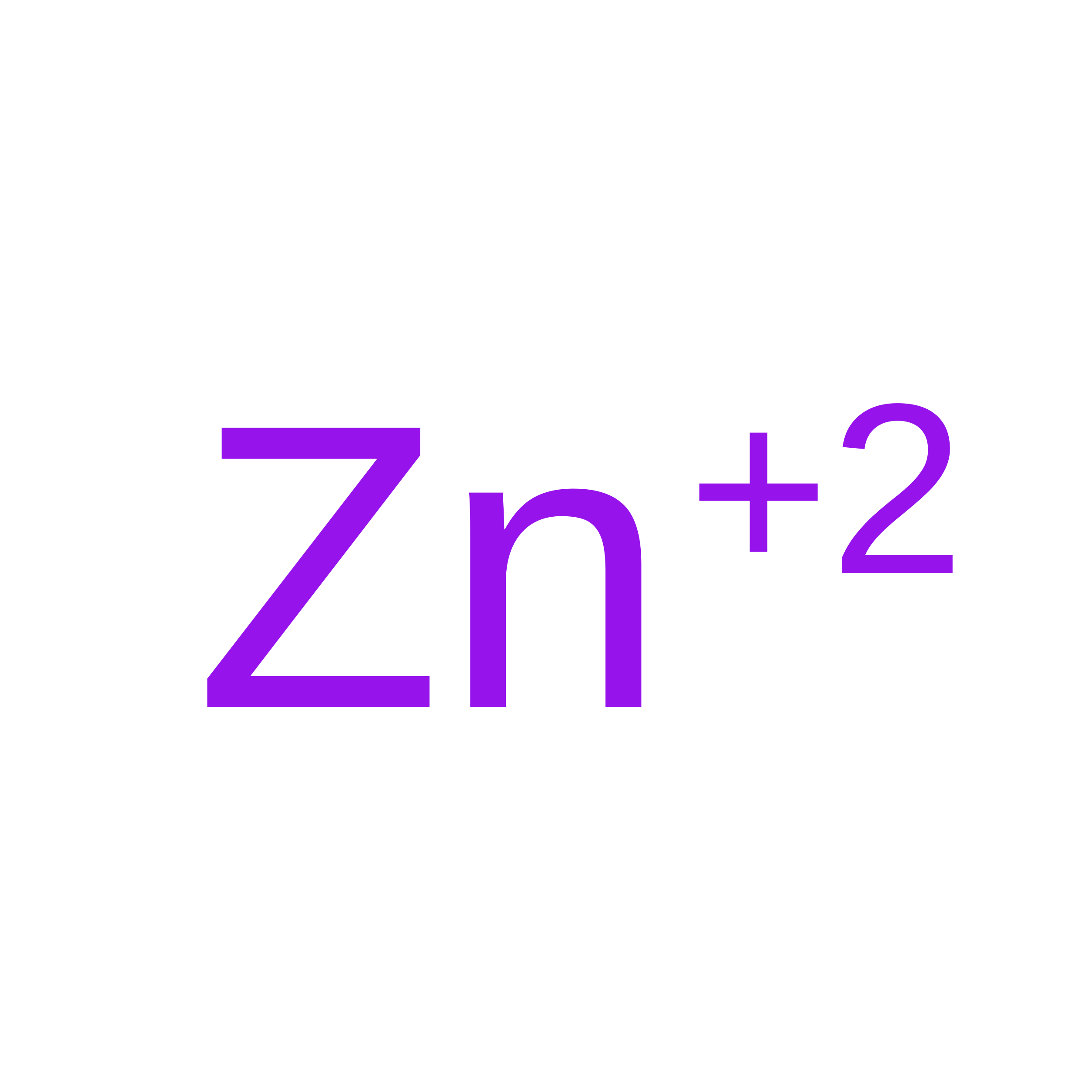 | ZN | M, RAuthor: B, D | |
PHOSPHATE IONLigand / ion · Entity 3CCD PO4 ↗Chemical diagram · RCSB PDB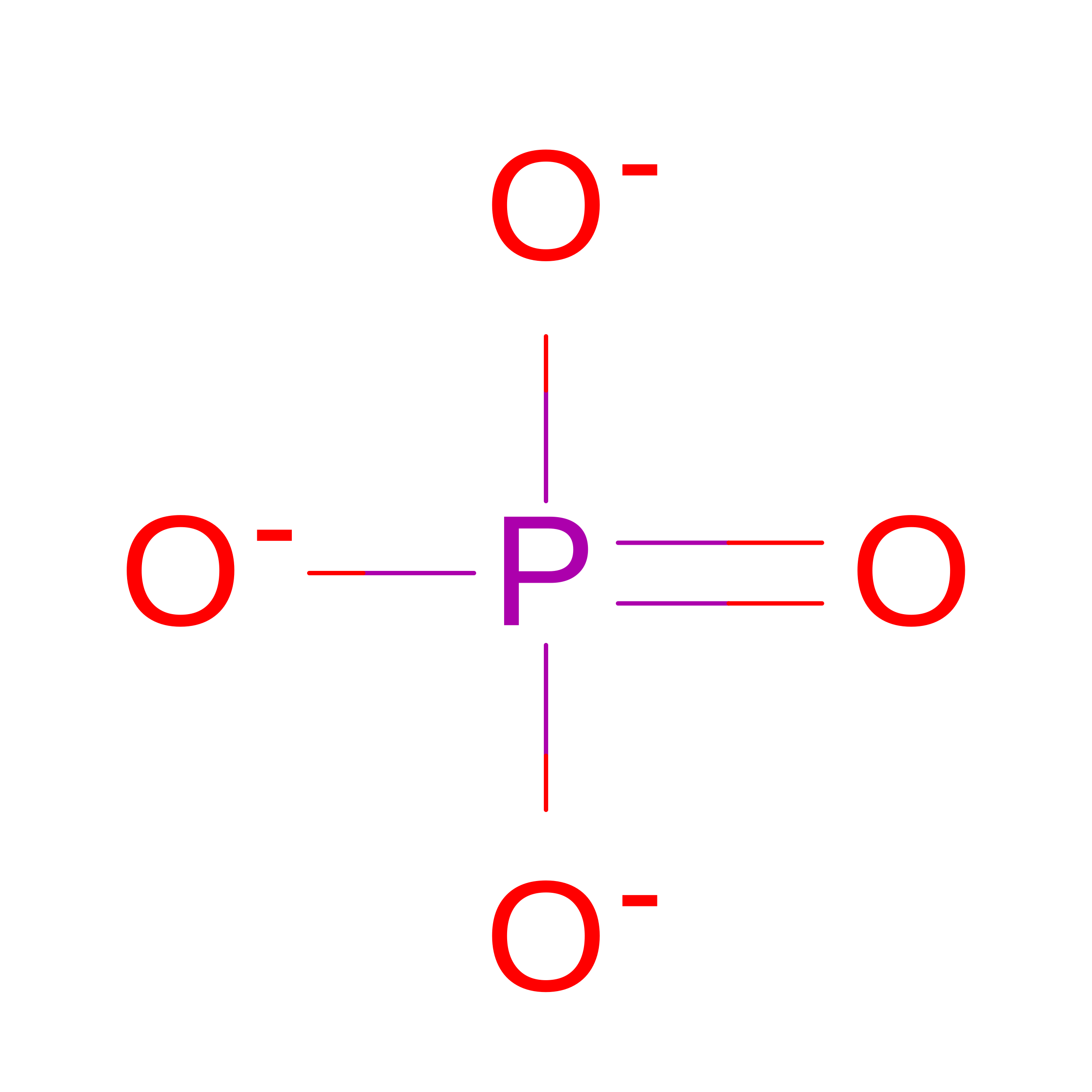 | PO4 | N, U, WAuthor: B, H, L | |
4'-HYDROXYCINNAMIC ACIDLigand / ion · Entity 4CCD HC4 ↗Chemical diagram · RCSB PDB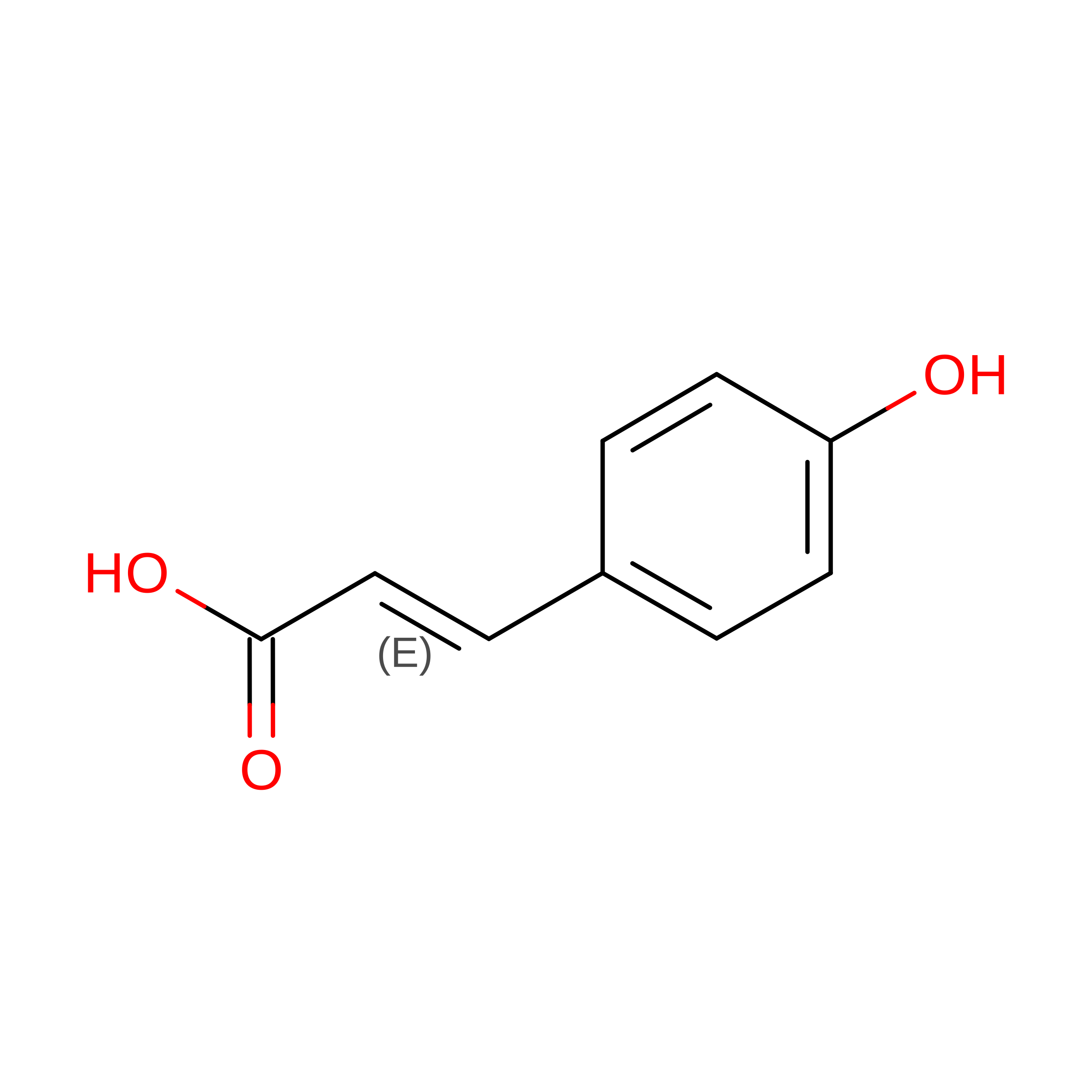 | HC4 | O, Q, S, T, VAuthor: C, D, G, H, K | |
THIOCYANATE IONLigand / ion · Entity 5CCD SCN ↗Chemical diagram · RCSB PDB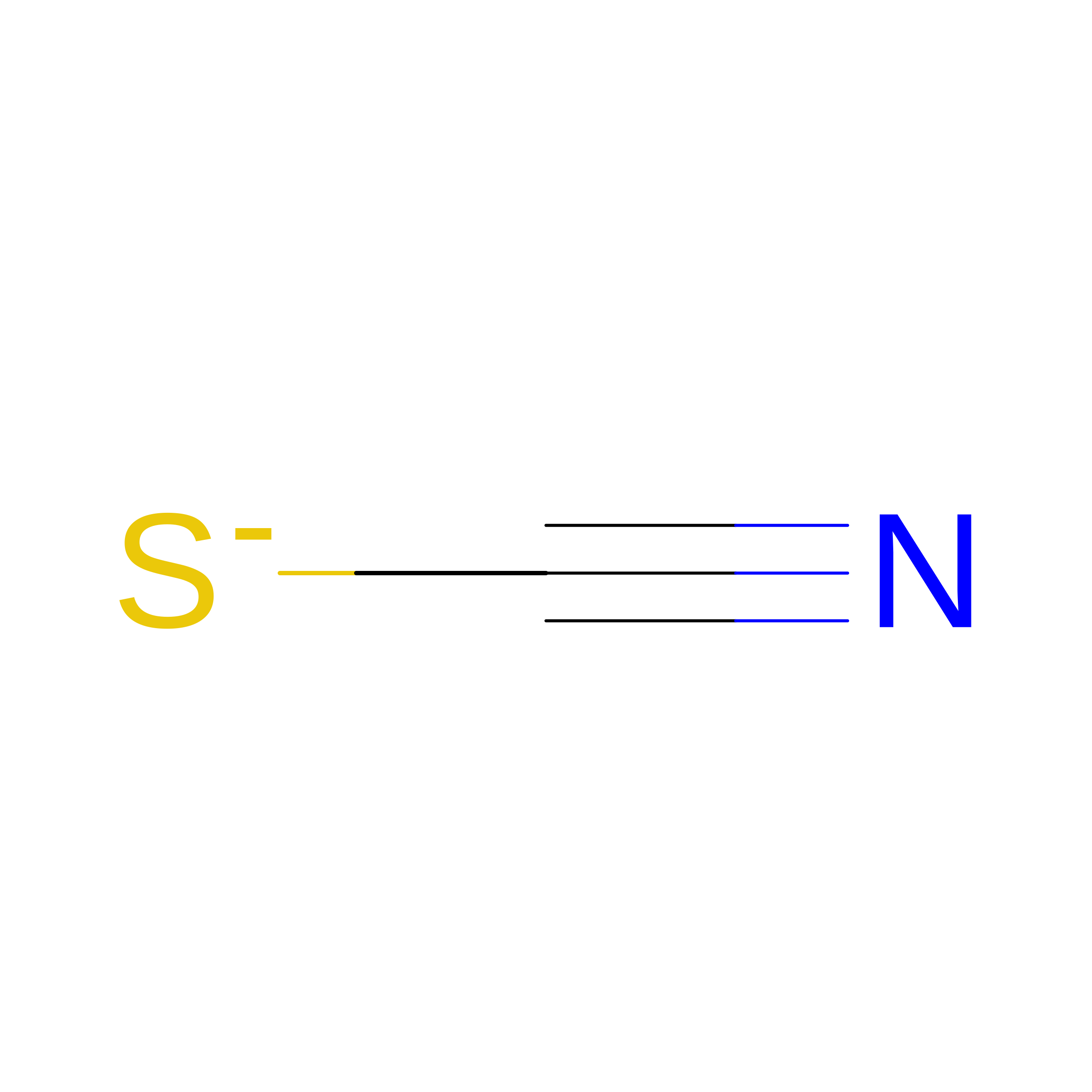 | SCN | PAuthor: D |
Chemical diagrams are recorded RCSB component depictions. Glycan names and source identifiers retain the recorded linkage information.
Structure validation
Recorded PDBe metrics describe model geometry. Percentiles compare with the archive; they are not probabilities of correctness. Missing metrics are not zero.
Serious atomic overlaps per 1,000 atoms; lower is better.
Archive percentile: 59.0Backbone conformations outside preferred regions; lower is better.
Archive percentile: 100.0Unusual side-chain conformations; lower is better.
Archive percentile: 100.0Publication
Insulin polymorphism induced by two polyphenols: new crystal forms and advances in macromolecular powder diffraction.
Paper date: 13/10/2020 · Read publication ↗
Structure references are from the dated source record. Opening another structure follows your existing Atlas account permissions.
Available structures 385
Scroll across the table for evidence and actions.
385 recorded rows
| Record | Evidence type | Method | Resolution | Open |
|---|---|---|---|---|
| 6TC2 | experimental | X-ray | 1.36 A | Open in Atlas ↗ |
| 7STH | experimental | EM | 3.50 A | Open in Atlas ↗ |
| 6B3Q | experimental | EM | 3.70 A | Open in Atlas ↗ |
| 6B70 | experimental | EM | 3.70 A | Open in Atlas ↗ |
| 6BFC | experimental | EM | 3.70 A | Open in Atlas ↗ |
| 8EZ0 | experimental | EM | 3.70 A | Open in Atlas ↗ |
| 7STK | experimental | EM | 4.00 A | Open in Atlas ↗ |
| 8YYS | experimental | EM | 4.14 A | Open in Atlas ↗ |
| 7STJ | experimental | EM | 4.40 A | Open in Atlas ↗ |
| 8EYX | experimental | EM | 4.50 A | Open in Atlas ↗ |
| 6JK8 | experimental | EM | 4.70 A | Open in Atlas ↗ |
| 7STI | experimental | EM | 4.90 A | Open in Atlas ↗ |
| 8EYY | experimental | EM | 4.90 A | Open in Atlas ↗ |
| 9DNN | experimental | EM | 6.10 A | Open in Atlas ↗ |
| 7JP3 | experimental | X-ray | 1.95 A | Open in Atlas ↗ |
| 7KD6 | experimental | X-ray | 2.60 A | Open in Atlas ↗ |
| 5WDM | experimental | X-ray | 2.80 A | Open in Atlas ↗ |
| 8PJC | experimental | X-ray | 2.14 A | Open in Atlas ↗ |
| 7BW8 | experimental | EM | 3.80 A | Open in Atlas ↗ |
| 7BW7 | experimental | EM | 4.10 A | Open in Atlas ↗ |
| 7BWA | experimental | EM | 4.90 A | Open in Atlas ↗ |
| 1EFE | experimental | NMR | - | Open in Atlas ↗ |
| 1SJU | experimental | NMR | - | Open in Atlas ↗ |
| 2KQP | experimental | NMR | - | Open in Atlas ↗ |
| 6U46 | experimental | NMR | - | Open in Atlas ↗ |
| 8PJH | experimental | X-ray | 1.50 A | Open in Atlas ↗ |
| 3W7Y | experimental | X-ray | 0.92 A | Open in Atlas ↗ |
| 5E7W | experimental | X-ray | 0.95 A | Open in Atlas ↗ |
| 5HQI | experimental | X-ray | 0.97 A | Open in Atlas ↗ |
| 1MSO | experimental | X-ray | 1.00 A | Open in Atlas ↗ |
| 4FKA | experimental | X-ray | 1.08 A | Open in Atlas ↗ |
| 3TT8 | experimental | X-ray | 1.12 A | Open in Atlas ↗ |
| 3W7Z | experimental | X-ray | 1.15 A | Open in Atlas ↗ |
| 5UOZ | experimental | X-ray | 1.17 A | Open in Atlas ↗ |
| 5USP | experimental | X-ray | 1.17 A | Open in Atlas ↗ |
| 5URT | experimental | X-ray | 1.18 A | Open in Atlas ↗ |
| 1G7A | experimental | X-ray | 1.20 A | Open in Atlas ↗ |
| 5UU2 | experimental | X-ray | 1.22 A | Open in Atlas ↗ |
| 7RKD | experimental | X-ray | 1.25 A | Open in Atlas ↗ |
| 6GV0 | experimental | X-ray | 1.26 A | Open in Atlas ↗ |
| 5HRQ | experimental | X-ray | 1.28 A | Open in Atlas ↗ |
| 1G7B | experimental | X-ray | 1.30 A | Open in Atlas ↗ |
| 3BXQ | experimental | X-ray | 1.30 A | Open in Atlas ↗ |
| 5USV | experimental | X-ray | 1.30 A | Open in Atlas ↗ |
| 9R4E | experimental | X-ray | 1.30 A | Open in Atlas ↗ |
| 5UQA | experimental | X-ray | 1.31 A | Open in Atlas ↗ |
| 5HPR | experimental | X-ray | 1.33 A | Open in Atlas ↗ |
| 4AJX | experimental | X-ray | 1.20 A | Open in Atlas ↗ |
| 7QGF | experimental | X-ray | 1.20 A | Open in Atlas ↗ |
| 3EXX | experimental | X-ray | 1.35 A | Open in Atlas ↗ |
| 5ENA | experimental | X-ray | 1.35 A | Open in Atlas ↗ |
| 5UDP | experimental | X-ray | 1.35 A | Open in Atlas ↗ |
| 6S34 | experimental | X-ray | 1.35 A | Open in Atlas ↗ |
| 2OMH | experimental | X-ray | 1.36 A | Open in Atlas ↗ |
| 8PI4 | experimental | X-ray | 1.25 A | Open in Atlas ↗ |
| 1BEN | experimental | X-ray | 1.40 A | Open in Atlas ↗ |
| 3W80 | experimental | X-ray | 1.40 A | Open in Atlas ↗ |
| 4CY7 | experimental | X-ray | 1.40 A | Open in Atlas ↗ |
| 4NIB | experimental | X-ray | 1.40 A | Open in Atlas ↗ |
| 7Z5L | experimental | X-ray | 1.40 A | Open in Atlas ↗ |
| 9R4C | experimental | X-ray | 1.41 A | Open in Atlas ↗ |
| 9R4A | experimental | X-ray | 1.45 A | Open in Atlas ↗ |
| 4EY1 | experimental | X-ray | 1.47 A | Open in Atlas ↗ |
| 4EY9 | experimental | X-ray | 1.47 A | Open in Atlas ↗ |
| 4EYD | experimental | X-ray | 1.47 A | Open in Atlas ↗ |
| 3FQ9 | experimental | X-ray | 1.35 A | Open in Atlas ↗ |
| 1ZEH | experimental | X-ray | 1.50 A | Open in Atlas ↗ |
| 2WRX | experimental | X-ray | 1.50 A | Open in Atlas ↗ |
| 2WS6 | experimental | X-ray | 1.50 A | Open in Atlas ↗ |
| 4CXL | experimental | X-ray | 1.50 A | Open in Atlas ↗ |
| 4P65 | experimental | X-ray | 1.50 A | Open in Atlas ↗ |
| 4XC4 | experimental | X-ray | 1.50 A | Open in Atlas ↗ |
| 5EN9 | experimental | X-ray | 1.50 A | Open in Atlas ↗ |
| 9R4B | experimental | X-ray | 1.50 A | Open in Atlas ↗ |
| 2OMG | experimental | X-ray | 1.52 A | Open in Atlas ↗ |
| 4EYN | experimental | X-ray | 1.53 A | Open in Atlas ↗ |
| 7NHU | experimental | X-ray | 1.40 A | Open in Atlas ↗ |
| 8IPZ | experimental | X-ray | 1.40 A | Open in Atlas ↗ |
| 4EXX | experimental | X-ray | 1.55 A | Open in Atlas ↗ |
| 5T7R | experimental | X-ray | 1.55 A | Open in Atlas ↗ |
| 4EYP | experimental | X-ray | 1.59 A | Open in Atlas ↗ |
| 4F1B | experimental | X-ray | 1.59 A | Open in Atlas ↗ |
| 4UNE | experimental | X-ray | 1.59 A | Open in Atlas ↗ |
| 1TRZ | experimental | X-ray | 1.60 A | Open in Atlas ↗ |
| 1ZEG | experimental | X-ray | 1.60 A | Open in Atlas ↗ |
| 2WS1 | experimental | X-ray | 1.60 A | Open in Atlas ↗ |
| 3ZU1 | experimental | X-ray | 1.60 A | Open in Atlas ↗ |
| 4IUZ | experimental | X-ray | 1.60 A | Open in Atlas ↗ |
| 6NWV | experimental | X-ray | 1.60 A | Open in Atlas ↗ |
| 6TYH | experimental | X-ray | 1.60 A | Open in Atlas ↗ |
| 1GUJ | experimental | X-ray | 1.62 A | Open in Atlas ↗ |
| 4F1D | experimental | X-ray | 1.64 A | Open in Atlas ↗ |
| 4F1G | experimental | X-ray | 1.64 A | Open in Atlas ↗ |
| 4F4T | experimental | X-ray | 1.64 A | Open in Atlas ↗ |
| 4F4V | experimental | X-ray | 1.64 A | Open in Atlas ↗ |
| 4F51 | experimental | X-ray | 1.64 A | Open in Atlas ↗ |
| 9R49 | experimental | X-ray | 1.64 A | Open in Atlas ↗ |
| 2C8R | experimental | X-ray | 1.50 A | Open in Atlas ↗ |
| 6S4J | experimental | X-ray | 1.50 A | Open in Atlas ↗ |
| 9R48 | experimental | X-ray | 1.65 A | Open in Atlas ↗ |
| 6S4I | experimental | X-ray | 1.51 A | Open in Atlas ↗ |
| 4EX1 | experimental | X-ray | 1.66 A | Open in Atlas ↗ |
| 4F0O | experimental | X-ray | 1.67 A | Open in Atlas ↗ |
| 4F0N | experimental | X-ray | 1.68 A | Open in Atlas ↗ |
| 4F1F | experimental | X-ray | 1.68 A | Open in Atlas ↗ |
| 4F8F | experimental | X-ray | 1.68 A | Open in Atlas ↗ |
| 9M4X | experimental | X-ray | 1.40 A | Open in Atlas ↗ |
| 9M4Y | experimental | X-ray | 1.40 A | Open in Atlas ↗ |
| 9M50 | experimental | X-ray | 1.40 A | Open in Atlas ↗ |
| 2OLY | experimental | X-ray | 1.70 A | Open in Atlas ↗ |
| 2OLZ | experimental | X-ray | 1.70 A | Open in Atlas ↗ |
| 3ZI3 | experimental | X-ray | 1.70 A | Open in Atlas ↗ |
| 4CXN | experimental | X-ray | 1.70 A | Open in Atlas ↗ |
| 4F1C | experimental | X-ray | 1.70 A | Open in Atlas ↗ |
| 5BOQ | experimental | X-ray | 1.70 A | Open in Atlas ↗ |
| 5CNY | experimental | X-ray | 1.70 A | Open in Atlas ↗ |
| 5CO2 | experimental | X-ray | 1.70 A | Open in Atlas ↗ |
| 7S4Y | experimental | X-ray | 1.71 A | Open in Atlas ↗ |
| 6O17 | experimental | X-ray | 1.58 A | Open in Atlas ↗ |
| 4RXW | experimental | X-ray | 1.73 A | Open in Atlas ↗ |
| 1UZ9 | experimental | X-ray | 1.60 A | Open in Atlas ↗ |
| 3E7Y | experimental | X-ray | 1.60 A | Open in Atlas ↗ |
| 3I3Z | experimental | X-ray | 1.60 A | Open in Atlas ↗ |
| 9CIV | experimental | X-ray | 1.60 A | Open in Atlas ↗ |
| 8OKY | experimental | X-ray | 1.17 A | Open in Atlas ↗ |
| 5BTS | experimental | X-ray | 1.77 A | Open in Atlas ↗ |
| 1EV3 | experimental | X-ray | 1.78 A | Open in Atlas ↗ |
| 4GBC | experimental | X-ray | 1.78 A | Open in Atlas ↗ |
| 8HSK | experimental | X-ray | 1.64 A | Open in Atlas ↗ |
| 4EWZ | experimental | X-ray | 1.79 A | Open in Atlas ↗ |
| 9M4Z | experimental | X-ray | 1.50 A | Open in Atlas ↗ |
| 1RWE | experimental | X-ray | 1.80 A | Open in Atlas ↗ |
| 2VJZ | experimental | X-ray | 1.80 A | Open in Atlas ↗ |
| 4F1A | experimental | X-ray | 1.80 A | Open in Atlas ↗ |
| 5CO6 | experimental | X-ray | 1.80 A | Open in Atlas ↗ |
| 6P4Z | experimental | X-ray | 1.80 A | Open in Atlas ↗ |
| 7Z5Q | experimental | X-ray | 1.80 A | Open in Atlas ↗ |
| 8WU0 | experimental | X-ray | 1.95 A | Open in Atlas ↗ |
| 8PI5 | experimental | X-ray | 1.66 A | Open in Atlas ↗ |
| 4UNG | experimental | X-ray | 1.81 A | Open in Atlas ↗ |
| 6H3M | experimental | X-ray | 1.82 A | Open in Atlas ↗ |
| 5BQQ | experimental | X-ray | 1.54 A | Open in Atlas ↗ |
| 9IBB | experimental | X-ray | 1.84 A | Open in Atlas ↗ |
| 3E7Z | experimental | X-ray | 1.70 A | Open in Atlas ↗ |
| 8HGZ | experimental | X-ray | 1.70 A | Open in Atlas ↗ |
| 3INC | experimental | X-ray | 1.85 A | Open in Atlas ↗ |
| 2QIU | experimental | X-ray | 2.00 A | Open in Atlas ↗ |
| 2R36 | experimental | X-ray | 2.00 A | Open in Atlas ↗ |
| 4EX0 | experimental | X-ray | 1.86 A | Open in Atlas ↗ |
| 4GBN | experimental | X-ray | 1.87 A | Open in Atlas ↗ |
| 5MT9 | experimental | X-ray | 1.88 A | Open in Atlas ↗ |
| 1EV6 | experimental | X-ray | 1.90 A | Open in Atlas ↗ |
| 1EVR | experimental | X-ray | 1.90 A | Open in Atlas ↗ |
| 1TYL | experimental | X-ray | 1.90 A | Open in Atlas ↗ |
| 1TYM | experimental | X-ray | 1.90 A | Open in Atlas ↗ |
| 3ILG | experimental | X-ray | 1.90 A | Open in Atlas ↗ |
| 3KQ6 | experimental | X-ray | 1.90 A | Open in Atlas ↗ |
| 3ZQR | experimental | X-ray | 1.90 A | Open in Atlas ↗ |
| 5BPO | experimental | X-ray | 1.90 A | Open in Atlas ↗ |
| 5CO9 | experimental | X-ray | 1.92 A | Open in Atlas ↗ |
| 2R35 | experimental | X-ray | 2.08 A | Open in Atlas ↗ |
| 1XDA | experimental | X-ray | 1.80 A | Open in Atlas ↗ |
| 4AJZ | experimental | X-ray | 1.80 A | Open in Atlas ↗ |
| 1OS3 | experimental | X-ray | 1.95 A | Open in Atlas ↗ |
| 4IYD | experimental | X-ray | 1.66 A | Open in Atlas ↗ |
| 2OM1 | experimental | X-ray | 1.97 A | Open in Atlas ↗ |
| 3ZS2 | experimental | X-ray | 1.97 A | Open in Atlas ↗ |
| 5UU4 | experimental | X-ray | 1.97 A | Open in Atlas ↗ |
| 5VIZ | experimental | X-ray | 1.70 A | Open in Atlas ↗ |
| 3I40 | experimental | X-ray | 1.85 A | Open in Atlas ↗ |
| 1J73 | experimental | X-ray | 2.00 A | Open in Atlas ↗ |
| 1Q4V | experimental | X-ray | 2.00 A | Open in Atlas ↗ |
| 1QIZ | experimental | X-ray | 2.00 A | Open in Atlas ↗ |
| 1ZNJ | experimental | X-ray | 2.00 A | Open in Atlas ↗ |
| 3P2X | experimental | X-ray | 2.00 A | Open in Atlas ↗ |
| 3V19 | experimental | X-ray | 2.00 A | Open in Atlas ↗ |
| 4FG3 | experimental | X-ray | 2.00 A | Open in Atlas ↗ |
| 5MT3 | experimental | X-ray | 2.02 A | Open in Atlas ↗ |
| 2OM0 | experimental | X-ray | 2.05 A | Open in Atlas ↗ |
| 3Q6E | experimental | X-ray | 2.05 A | Open in Atlas ↗ |
| 8GSG | experimental | X-ray | 2.05 A | Open in Atlas ↗ |
| 9M51 | experimental | X-ray | 1.76 A | Open in Atlas ↗ |
| 5USS | experimental | X-ray | 2.06 A | Open in Atlas ↗ |
| 1W8P | experimental | X-ray | 2.08 A | Open in Atlas ↗ |
| 4IYF | experimental | X-ray | 1.80 A | Open in Atlas ↗ |
| 2C8Q | experimental | X-ray | 1.95 A | Open in Atlas ↗ |
| 2WS0 | experimental | X-ray | 2.10 A | Open in Atlas ↗ |
| 2R34 | experimental | X-ray | 2.25 A | Open in Atlas ↗ |
| 3U4N | experimental | X-ray | 1.98 A | Open in Atlas ↗ |
| 8RRP | experimental | X-ray | 2.00 A | Open in Atlas ↗ |
| 2WRU | experimental | X-ray | 1.57 A | Open in Atlas ↗ |
| 4AKJ | experimental | X-ray | 2.01 A | Open in Atlas ↗ |
| 25HF | experimental | X-ray | 2.20 A | Open in Atlas ↗ |
| 2VK0 | experimental | X-ray | 2.20 A | Open in Atlas ↗ |
| 3IR0 | experimental | X-ray | 2.20 A | Open in Atlas ↗ |
| 3V1G | experimental | X-ray | 2.20 A | Open in Atlas ↗ |
| 4EWX | experimental | X-ray | 2.20 A | Open in Atlas ↗ |
| 5HPU | experimental | X-ray | 2.20 A | Open in Atlas ↗ |
| 5MAM | experimental | X-ray | 2.20 A | Open in Atlas ↗ |
| 6GNQ | experimental | X-ray | 2.20 A | Open in Atlas ↗ |
| 6Z7Y | experimental | X-ray | 2.20 A | Open in Atlas ↗ |
| 6VER | experimental | X-ray | 1.05 A | Open in Atlas ↗ |
| 2OMI | experimental | X-ray | 2.24 A | Open in Atlas ↗ |
| 9UTJ | experimental | X-ray | 1.95 A | Open in Atlas ↗ |
| 1OS4 | experimental | X-ray | 2.25 A | Open in Atlas ↗ |
| 5UU3 | experimental | X-ray | 2.25 A | Open in Atlas ↗ |
| 6CK2 | experimental | X-ray | 2.25 A | Open in Atlas ↗ |
| 4EFX | experimental | X-ray | 1.98 A | Open in Atlas ↗ |
| 8PI6 | experimental | X-ray | 2.14 A | Open in Atlas ↗ |
| 7QAC | experimental | X-ray | 2.29 A | Open in Atlas ↗ |
| 1LPH | experimental | X-ray | 2.30 A | Open in Atlas ↗ |
| 1QIY | experimental | X-ray | 2.30 A | Open in Atlas ↗ |
| 1XW7 | experimental | X-ray | 2.30 A | Open in Atlas ↗ |
| 3P33 | experimental | X-ray | 2.30 A | Open in Atlas ↗ |
| 3ROV | experimental | X-ray | 2.30 A | Open in Atlas ↗ |
| 4EWW | experimental | X-ray | 2.30 A | Open in Atlas ↗ |
| 5EMS | experimental | X-ray | 2.30 A | Open in Atlas ↗ |
| 8ONI | experimental | X-ray | 2.30 A | Open in Atlas ↗ |
| 1HTV | experimental | X-ray | 1.90 A | Open in Atlas ↗ |
| 8ONP | experimental | X-ray | 1.77 A | Open in Atlas ↗ |
| 1QJ0 | experimental | X-ray | 2.40 A | Open in Atlas ↗ |
| 4GBK | experimental | X-ray | 2.40 A | Open in Atlas ↗ |
| 5URU | experimental | X-ray | 2.41 A | Open in Atlas ↗ |
| 6Z7W | experimental | X-ray | 2.42 A | Open in Atlas ↗ |
| 4AK0 | experimental | X-ray | 2.28 A | Open in Atlas ↗ |
| 9LVC | experimental | X-ray | 2.30 A | Open in Atlas ↗ |
| 8ONR | experimental | X-ray | 1.88 A | Open in Atlas ↗ |
| 2WS4 | experimental | X-ray | 1.90 A | Open in Atlas ↗ |
| 1B9E | experimental | X-ray | 2.50 A | Open in Atlas ↗ |
| 1JCA | experimental | X-ray | 2.50 A | Open in Atlas ↗ |
| 3JSD | experimental | X-ray | 2.50 A | Open in Atlas ↗ |
| 4GBI | experimental | X-ray | 2.50 A | Open in Atlas ↗ |
| 4GBL | experimental | X-ray | 2.50 A | Open in Atlas ↗ |
| 8Z4B | experimental | X-ray | 2.50 A | Open in Atlas ↗ |
| 9UTK | experimental | X-ray | 2.38 A | Open in Atlas ↗ |
| 2CEU | experimental | X-ray | 1.80 A | Open in Atlas ↗ |
| 9QLD | experimental | X-ray | 2.55 A | Open in Atlas ↗ |
| 6VET | experimental | X-ray | 1.46 A | Open in Atlas ↗ |
| 2W44 | experimental | X-ray | 2.00 A | Open in Atlas ↗ |
| 2WRV | experimental | X-ray | 2.15 A | Open in Atlas ↗ |
| 4UNH | experimental | X-ray | 2.75 A | Open in Atlas ↗ |
| 2WC0 | experimental | X-ray | 2.80 A | Open in Atlas ↗ |
| 9LVX | experimental | X-ray | 2.70 A | Open in Atlas ↗ |
| 6VEP | experimental | X-ray | 2.90 A | Open in Atlas ↗ |
| 8HSF | experimental | X-ray | 2.90 A | Open in Atlas ↗ |
| 2WRW | experimental | X-ray | 2.41 A | Open in Atlas ↗ |
| 25HL | experimental | X-ray | 2.85 A | Open in Atlas ↗ |
| 9LVD | experimental | X-ray | 2.85 A | Open in Atlas ↗ |
| 9LVY | experimental | X-ray | 2.85 A | Open in Atlas ↗ |
| 7RZI | experimental | EM | 3.00 A | Open in Atlas ↗ |
| 7U6E | experimental | EM | 3.00 A | Open in Atlas ↗ |
| 6VES | experimental | X-ray | 1.85 A | Open in Atlas ↗ |
| 9LVE | experimental | X-ray | 2.88 A | Open in Atlas ↗ |
| 1FUB | experimental | X-ray | 3.09 A | Open in Atlas ↗ |
| 7SL7 | experimental | EM | 3.10 A | Open in Atlas ↗ |
| 2WS7 | experimental | X-ray | 2.59 A | Open in Atlas ↗ |
| 6HN5 | experimental | EM | 3.20 A | Open in Atlas ↗ |
| 8SBD | experimental | EM | 3.20 A | Open in Atlas ↗ |
| 1FU2 | experimental | X-ray | 3.24 A | Open in Atlas ↗ |
| 7RZE | experimental | EM | 3.30 A | Open in Atlas ↗ |
| 7RZF | experimental | EM | 3.40 A | Open in Atlas ↗ |
| 7SL1 | experimental | EM | 3.40 A | Open in Atlas ↗ |
| 7SL3 | experimental | EM | 3.40 A | Open in Atlas ↗ |
| 8ONK | experimental | X-ray | 3.40 A | Open in Atlas ↗ |
| 4OGA | experimental | X-ray | 3.50 A | Open in Atlas ↗ |
| 7SL2 | experimental | EM | 3.60 A | Open in Atlas ↗ |
| 7V3P | experimental | EM | 3.60 A | Open in Atlas ↗ |
| 7SL6 | experimental | EM | 3.70 A | Open in Atlas ↗ |
| 5MWQ | experimental | NMR | - | Open in Atlas ↗ |
| 2LGB | experimental | NMR | - | Open in Atlas ↗ |
| 2LWZ | experimental | NMR | - | Open in Atlas ↗ |
| 5MHD | experimental | NMR | - | Open in Atlas ↗ |
| 6K59 | experimental | NMR | - | Open in Atlas ↗ |
| 3W11 | experimental | X-ray | 3.90 A | Open in Atlas ↗ |
| 6SOF | experimental | EM | 4.30 A | Open in Atlas ↗ |
| 7MD4 | experimental | EM | 4.50 A | Open in Atlas ↗ |
| 7QID | experimental | EM | 5.00 A | Open in Atlas ↗ |
| 7SL4 | experimental | EM | 5.00 A | Open in Atlas ↗ |
| 7MD5 | experimental | EM | 5.20 A | Open in Atlas ↗ |
| 7PG2 | experimental | EM | 6.70 A | Open in Atlas ↗ |
| 7PG3 | experimental | EM | 7.30 A | Open in Atlas ↗ |
| 7PG0 | experimental | EM | 7.60 A | Open in Atlas ↗ |
| 7PG4 | experimental | EM | 9.10 A | Open in Atlas ↗ |
| 6JR3 | experimental | EM | 14.50 A | Open in Atlas ↗ |
| 1AI0 | experimental | NMR | - | Open in Atlas ↗ |
| 1AIY | experimental | NMR | - | Open in Atlas ↗ |
| 1HIQ | experimental | NMR | - | Open in Atlas ↗ |
| 1HIT | experimental | NMR | - | Open in Atlas ↗ |
| 1HLS | experimental | NMR | - | Open in Atlas ↗ |
| 1JCO | experimental | NMR | - | Open in Atlas ↗ |
| 1K3M | experimental | NMR | - | Open in Atlas ↗ |
| 1KMF | experimental | NMR | - | Open in Atlas ↗ |
| 1LKQ | experimental | NMR | - | Open in Atlas ↗ |
| 1MHI | experimental | NMR | - | Open in Atlas ↗ |
| 1MHJ | experimental | NMR | - | Open in Atlas ↗ |
| 1SF1 | experimental | NMR | - | Open in Atlas ↗ |
| 1T1K | experimental | NMR | - | Open in Atlas ↗ |
| 1T1P | experimental | NMR | - | Open in Atlas ↗ |
| 1T1Q | experimental | NMR | - | Open in Atlas ↗ |
| 1VKT | experimental | NMR | - | Open in Atlas ↗ |
| 1XGL | experimental | NMR | - | Open in Atlas ↗ |
| 2AIY | experimental | NMR | - | Open in Atlas ↗ |
| 2H67 | experimental | NMR | - | Open in Atlas ↗ |
| 2HH4 | experimental | NMR | - | Open in Atlas ↗ |
| 2HHO | experimental | NMR | - | Open in Atlas ↗ |
| 2HIU | experimental | NMR | - | Open in Atlas ↗ |
| 2JMN | experimental | NMR | - | Open in Atlas ↗ |
| 2JUM | experimental | NMR | - | Open in Atlas ↗ |
| 2JUU | experimental | NMR | - | Open in Atlas ↗ |
| 2JUV | experimental | NMR | - | Open in Atlas ↗ |
| 2JV1 | experimental | NMR | - | Open in Atlas ↗ |
| 2JZQ | experimental | NMR | - | Open in Atlas ↗ |
| 2K91 | experimental | NMR | - | Open in Atlas ↗ |
| 2K9R | experimental | NMR | - | Open in Atlas ↗ |
| 2KJJ | experimental | NMR | - | Open in Atlas ↗ |
| 2KJU | experimental | NMR | - | Open in Atlas ↗ |
| 2KQQ | experimental | NMR | - | Open in Atlas ↗ |
| 2KXK | experimental | NMR | - | Open in Atlas ↗ |
| 2L1Y | experimental | NMR | - | Open in Atlas ↗ |
| 2L1Z | experimental | NMR | - | Open in Atlas ↗ |
| 2M1D | experimental | NMR | - | Open in Atlas ↗ |
| 2M1E | experimental | NMR | - | Open in Atlas ↗ |
| 2M2M | experimental | NMR | - | Open in Atlas ↗ |
| 2M2N | experimental | NMR | - | Open in Atlas ↗ |
| 2M2O | experimental | NMR | - | Open in Atlas ↗ |
| 2M2P | experimental | NMR | - | Open in Atlas ↗ |
| 2MLI | experimental | NMR | - | Open in Atlas ↗ |
| 2MPG | experimental | NMR | - | Open in Atlas ↗ |
| 2MPI | experimental | NMR | - | Open in Atlas ↗ |
| 2MVC | experimental | NMR | - | Open in Atlas ↗ |
| 2MVD | experimental | NMR | - | Open in Atlas ↗ |
| 2N2V | experimental | NMR | - | Open in Atlas ↗ |
| 2N2W | experimental | NMR | - | Open in Atlas ↗ |
| 2N2X | experimental | NMR | - | Open in Atlas ↗ |
| 2RN5 | experimental | NMR | - | Open in Atlas ↗ |
| 3AIY | experimental | NMR | - | Open in Atlas ↗ |
| 4AIY | experimental | NMR | - | Open in Atlas ↗ |
| 5AIY | experimental | NMR | - | Open in Atlas ↗ |
| 5WBT | experimental | NMR | - | Open in Atlas ↗ |
| 6X4X | experimental | NMR | - | Open in Atlas ↗ |
| 8RVT | experimental | NMR | - | Open in Atlas ↗ |
| 1A7F | experimental | NMR | - | Open in Atlas ↗ |
| 1IOG | experimental | NMR | - | Open in Atlas ↗ |
| 1IOH | experimental | NMR | - | Open in Atlas ↗ |
| 1SJT | experimental | NMR | - | Open in Atlas ↗ |
| 1HUI | experimental | NMR | - | Open in Atlas ↗ |
| 2WBY | experimental | X-ray | 2.60 A | Open in Atlas ↗ |
| 7MQO | experimental | EM | 3.40 A | Open in Atlas ↗ |
| 3W12 | experimental | X-ray | 4.30 A | Open in Atlas ↗ |
| 3W13 | experimental | X-ray | 4.30 A | Open in Atlas ↗ |
| 1HIS | experimental | NMR | - | Open in Atlas ↗ |
| 7MQR | experimental | EM | 4.10 A | Open in Atlas ↗ |
| 7MQS | experimental | EM | 4.40 A | Open in Atlas ↗ |
| 2G56 | experimental | X-ray | 2.20 A | Open in Atlas ↗ |
| 2G54 | experimental | X-ray | 2.25 A | Open in Atlas ↗ |
| 9PUW | experimental | EM | 3.64 A | Open in Atlas ↗ |
| 1T0C | experimental | NMR | - | Open in Atlas ↗ |
| 9PVO | experimental | EM | 3.89 A | Open in Atlas ↗ |
| 3HYD | experimental | X-ray | 1.00 A | Open in Atlas ↗ |
| 4Y19 | experimental | X-ray | 2.50 A | Open in Atlas ↗ |
| 3UTQ | experimental | X-ray | 1.67 A | Open in Atlas ↗ |
| 5C0D | experimental | X-ray | 1.68 A | Open in Atlas ↗ |
| 5CJO | experimental | X-ray | 3.29 A | Open in Atlas ↗ |
| 8VCX | experimental | X-ray | 2.59 A | Open in Atlas ↗ |
| 8VDD | experimental | X-ray | 2.60 A | Open in Atlas ↗ |
| 1JK8 | experimental | X-ray | 2.40 A | Open in Atlas ↗ |
| 4Z77 | experimental | X-ray | 1.85 A | Open in Atlas ↗ |
| 7YQ3 | experimental | EM | 3.60 A | Open in Atlas ↗ |
| 4Z76 | experimental | X-ray | 1.88 A | Open in Atlas ↗ |
| 4Z78 | experimental | X-ray | 2.30 A | Open in Atlas ↗ |
| 7YQ4 | experimental | EM | 3.95 A | Open in Atlas ↗ |
| 8GUY | experimental | EM | 4.18 A | Open in Atlas ↗ |
| 7YQ5 | experimental | EM | 4.27 A | Open in Atlas ↗ |
| 6CE9 | experimental | EM | 4.30 A | Open in Atlas ↗ |
| 6CEB | experimental | EM | 4.70 A | Open in Atlas ↗ |
| 6CE7 | experimental | EM | 7.40 A | Open in Atlas ↗ |
| 4WDI | experimental | X-ray | 2.31 A | Open in Atlas ↗ |
| 5WOB | experimental | X-ray | 3.95 A | Open in Atlas ↗ |
| 2OMQ | experimental | X-ray | 2.00 A | Open in Atlas ↗ |
| 3UTT | experimental | X-ray | 2.60 A | Open in Atlas ↗ |
| 7NMG | experimental | X-ray | 2.48 A | Open in Atlas ↗ |
| 3UTS | experimental | X-ray | 2.71 A | Open in Atlas ↗ |
| 5HYJ | experimental | X-ray | 3.06 A | Open in Atlas ↗ |
| 4Y1A | experimental | X-ray | 4.00 A | Open in Atlas ↗ |
| AF-P01308-F1 | predicted | AlphaFold | Not applicable | Open in Atlas ↗ |
Family & Domains
Belongs to the insulin family
Evidence & references
- ECO:0000305
Complete source annotation
{
  "texts": [
    {
      "evidences": [
        {
          "evidenceCode": "ECO:0000305"
        }
      ],
      "value": "Belongs to the insulin family"
    }
  ],
  "commentType": "SIMILARITY"
}
Domain architecture
Canonical coordinates. Overlapping marks share a lane; individual records and evidence are in the tables below. Gaps in coverage are not selectable in 3D. Use the track links and tables for keyboard inspection.
Atlas domains, motifs & repeats 1
Scroll across the table for evidence and actions.
1 recorded rows
| Annotation | Position | Source & interpretation | Inspect |
|---|---|---|---|
| Insulin-likeIPR016179 | 28–109 | INTERPROdomain This entry represents a disulphide-rich α-helical domain found in insulin, as well as in related proteins, such as insulin-like growth factor, relaxin and bombyxin. Insulin is found in many animals, and is involved in the regulation of normal glucose homeostasis. Full source descriptionThis entry represents a disulphide-rich α-helical domain found in insulin, as well as in related proteins, such as insulin-like growth factor, relaxin and bombyxin. Insulin is found in many animals, and is involved in the regulation of normal glucose homeostasis. It also has other specific physiological effects, such as increasing the permeability of cells to monosaccharides, amino acids and fatty acids, and accelerating glycolysis and glycogen synthesis in the liver. Insulin exerts its effects by interaction with a cell-surface receptor, which may also result in the promotion of cell growth. The insulin/IGF/relaxin superfamily is an ancient family of functionally diverse proteins. The 3D structures of a number of family members have been determined. The fold comprises two polypeptide chains (A and B) linked by two disulphide bonds: all share a conserved arrangement of four cysteines in their A chain, the first of which is linked by a disulfide bond to the third, while the second and fourth are linked by interchain disulfide bonds to cysteines in the B chain. This family includes: Insulin and insulin-like proteins Relaxin and prorelaxin Insect prothoracicotropic hormone (bombyxin) Insulin-like growth factors (IGF1 and IGF2) Mammalian Leydig cell-specific insulin-like peptide (gene INSL3) Invertebrates insulin-related peptides (IRPs) | 47/82 residues mapped to 6TC2 |
UniProt domains, repeats & motifs 0
No annotation is recorded in this UniProt entry.
Functional sites 0
No annotation is recorded in this UniProt entry.
Sequence regions 0
No annotation is recorded in this UniProt entry.
Sequence & Isoforms
Sequence & isoforms
UniProt’s canonical sequence is its selected representative. It is not necessarily the dominant isoform in every tissue.
Full precursor sequence, including processing regions. The mass describes this unmodified source sequence, not every mature or modified product.
MALWMRLLPLLALLALWGPDPAAAFVNQHLCGSHLVEALYLVCGERGFFYTPKTRREAEDLQVGQVELGGGPGAGSLQPLALEGSLQKRGIVEQCCTSICSLYQLENYCNSource isoform notes & selection
Alternative splicing
Complete source annotation
{
  "commentType": "ALTERNATIVE PRODUCTS",
  "events": [
    "Alternative splicing"
  ],
  "isoforms": [
    {
      "name": {
        "value": "1"
      },
      "isoformIds": [
        "P01308-1"
      ],
      "isoformSequenceStatus": "Displayed"
    },
    {
      "name": {
        "value": "2"
      },
      "synonyms": [
        {
          "value": "INS-IGF2"
        }
      ],
      "isoformIds": [
        "F8WCM5-1"
      ],
      "isoformSequenceStatus": "External"
    }
  ]
}- P01308-1 · 1 · Displayed
Complete source annotation
{ "name": { "value": "1" }, "isoformIds": [ "P01308-1" ], "isoformSequenceStatus": "Displayed" } - F8WCM5-1 · 2 · External · INS-IGF2
Complete source annotation
{
  "name": {
    "value": "2"
  },
  "synonyms": [
    {
      "value": "INS-IGF2"
    }
  ],
  "isoformIds": [
    "F8WCM5-1"
  ],
  "isoformSequenceStatus": "External"
}
Isoform sequence differences 0
No annotation is recorded in this UniProt entry.
Sequence conflicts & cautions 0
No annotation is recorded in this UniProt entry.
Source sequence: AAA59179.1
Evidence & references
- ECO:0000305
Recorded secondary structure 14
Scroll across the table for evidence and actions.
14 recorded rows
| Feature | Position | Description | Evidence | Inspect |
|---|---|---|---|---|
| Helix | 25–27 | Helix | Evidence & references
| 3/3 residues mapped to 6TC2 |
| Helix | 28–31 | Helix | Evidence & references
| 4/4 residues mapped to 6TC2 |
| Helix | 33–43 | Helix | Evidence & references
| 11/11 residues mapped to 6TC2 |
| Helix | 44–46 | Helix | Evidence & references
| 3/3 residues mapped to 6TC2 |
| Beta strand | 48–50 | Beta strand | Evidence & references
| 3/3 residues mapped to 6TC2 |
| Beta strand | 56–58 | Beta strand | Evidence & references
| No verified residues in this structure |
| Turn | 59–66 | Turn | Evidence & references
| No verified residues in this structure |
| Helix | 72–75 | Helix | Evidence & references
| No verified residues in this structure |
| Helix | 79–81 | Helix | Evidence & references
| No verified residues in this structure |
| Helix | 83–87 | Helix | Evidence & references
| No verified residues in this structure |
| Helix | 91–97 | Helix | Evidence & references
| 7/7 residues mapped to 6TC2 |
| Beta strand | 98–101 | Beta strand | Evidence & references
| 4/4 residues mapped to 6TC2 |
| Helix | 102–106 | Helix | Evidence & references
| 5/5 residues mapped to 6TC2 |
| Turn | 107–109 | Turn | Evidence & references
| 3/3 residues mapped to 6TC2 |
Homologs
OMA orthologs
Evolutionary relationships assigned by OMA, kept separate from sequence clusters. “1:1” describes an orthology relationship, not percentage identity.
Recorded preview of up to 12 orthologs; not an exhaustive list. Entries without a verified UniProt mapping open their OMA record.
Sources & References
Scientific descriptions and evidence come from the named sources. Atlas assembles the presentation and verifies residue mappings; it does not independently curate these claims.
Source dates & provenance
- UniProt / The UniProt Consortium ↗ · 2026-11-09T11:39:32.341099+00:00
- InterPro / EMBL-EBI and the member sources identified in the annotations ↗ · 2026-11-09T11:39:32.928084+00:00
- AlphaFold DB / DeepMind Technologies Limited / EMBL-EBI ↗ · 2026-11-09T11:39:38.606235+00:00
- UniProt / The UniProt Consortium ↗ · 2026-11-09T11:39:32.341099+00:00
- InterPro / EMBL-EBI and the member sources identified in the annotations ↗ · 2026-11-09T11:39:32.928084+00:00
- AlphaFold DB / DeepMind Technologies Limited / EMBL-EBI ↗ · 2026-11-09T11:39:38.606235+00:00
- Recorded scientific source ↗ · 2026-11-10T17:10:21.156407+00:00
- Recorded scientific source ↗ · 2026-11-10T17:10:21.251926+00:00
- Recorded scientific source ↗ · 2026-11-10T17:10:21.284062+00:00
- Recorded scientific source ↗ · 2026-11-10T17:10:21.404985+00:00
- Recorded scientific source ↗ · 2026-11-10T17:10:21.455333+00:00
- Recorded scientific source ↗ · 2026-11-10T17:10:21.573596+00:00
- Recorded scientific source ↗ · 2026-11-10T17:10:21.935791+00:00
- Recorded scientific source ↗ · 2026-11-10T17:10:22.058815+00:00
- Recorded scientific source ↗ · 2026-11-10T17:10:22.080066+00:00
- Recorded scientific source ↗ · 2026-11-10T17:10:22.273212+00:00
- Recorded scientific source ↗ · 2026-11-10T17:10:22.713277+00:00
- Recorded scientific source ↗ · 2026-11-10T17:10:22.952042+00:00
- Recorded scientific source ↗ · 2026-11-10T17:10:23.591105+00:00
- Recorded scientific source ↗ · 2026-11-10T17:10:23.613944+00:00
- Recorded scientific source ↗ · 2026-11-10T17:10:23.962878+00:00
- Recorded scientific source ↗ · 2026-11-10T17:10:23.983544+00:00
- Recorded scientific source ↗ · 2026-11-10T17:10:24.103175+00:00
- Recorded scientific source ↗ · 2026-11-10T17:10:24.194152+00:00
- Recorded scientific source ↗ · 2026-11-10T17:10:24.295979+00:00
- Recorded scientific source ↗ · 2026-11-10T17:10:24.311187+00:00
- Recorded scientific source ↗ · 2026-11-10T17:10:24.397002+00:00
- Recorded scientific source ↗ · 2026-11-10T17:10:24.467104+00:00
- Recorded scientific source ↗ · 2026-11-10T17:10:24.994611+00:00
- Recorded scientific source ↗ · 2026-11-10T17:10:25.021327+00:00
- Recorded scientific source ↗ · 2026-11-10T17:10:25.472760+00:00
- Recorded scientific source ↗ · 2026-11-10T17:10:25.497723+00:00
- Recorded scientific source ↗ · 2026-11-10T17:10:25.625011+00:00
- Recorded scientific source ↗ · 2026-11-10T17:10:26.299374+00:00
- Recorded scientific source ↗ · 2026-11-10T17:10:26.908182+00:00
- Recorded scientific source ↗ · 2026-11-10T17:10:27.350357+00:00
- Recorded scientific source ↗ · 2026-11-10T17:10:27.371015+00:00
- Recorded scientific source ↗ · 2026-11-10T17:10:27.985576+00:00
- Recorded scientific source ↗ · 2026-11-10T17:10:28.027752+00:00
- Recorded scientific source ↗ · 2026-11-10T17:10:28.054136+00:00
- Recorded scientific source ↗ · 2026-11-10T17:10:28.112403+00:00
- Recorded scientific source ↗ · 2026-11-10T17:10:28.141365+00:00
- Recorded scientific source ↗ · 2026-11-10T17:10:28.168961+00:00
- Recorded scientific source ↗ · 2026-11-10T17:10:28.207829+00:00
- Recorded scientific source ↗ · 2026-11-10T17:10:28.241478+00:00
- Recorded scientific source ↗ · 2026-11-10T17:10:28.315157+00:00
- Recorded scientific source ↗ · 2026-11-10T17:10:28.367648+00:00
- Recorded scientific source ↗ · 2026-11-10T17:10:28.391347+00:00
- Recorded scientific source ↗ · 2026-11-10T17:10:28.486613+00:00
- Recorded scientific source ↗ · 2026-11-10T17:10:28.519454+00:00
- Recorded scientific source ↗ · 2026-11-10T17:10:29.163226+00:00
- Recorded scientific source ↗ · 2026-11-10T17:10:29.188080+00:00
- Recorded scientific source ↗ · 2026-11-10T17:10:29.346285+00:00
- Recorded scientific source ↗ · 2026-11-10T17:10:29.890781+00:00
- Recorded scientific source ↗ · 2026-11-10T17:10:31.010496+00:00
- Recorded scientific source ↗ · 2026-11-10T17:10:31.723528+00:00
- Recorded scientific source ↗ · 2026-11-10T17:10:32.376158+00:00
- Recorded scientific source ↗ · 2026-11-10T17:10:33.453162+00:00
- Recorded scientific source ↗ · 2026-11-10T17:10:33.480114+00:00
- Recorded scientific source ↗ · 2026-11-10T17:10:33.956126+00:00
- Recorded scientific source ↗ · 2026-11-10T17:10:34.013443+00:00
- Recorded scientific source ↗ · 2026-11-10T17:10:34.113661+00:00
- Recorded scientific source ↗ · 2026-11-10T17:10:34.215528+00:00
- Recorded scientific source ↗ · 2026-11-10T17:10:34.998442+00:00
- Recorded scientific source ↗ · 2026-11-10T17:10:35.025217+00:00
- Recorded scientific source ↗ · 2026-11-10T17:10:35.051071+00:00
- Recorded scientific source ↗ · 2026-11-10T17:10:35.079025+00:00
- Recorded scientific source ↗ · 2026-11-10T17:10:35.896998+00:00
- Recorded scientific source ↗ · 2026-11-10T17:10:35.929351+00:00
- Recorded scientific source ↗ · 2026-11-10T17:10:35.965465+00:00
- Recorded scientific source ↗ · 2026-11-10T17:10:36.264761+00:00
- Recorded scientific source ↗ · 2026-11-10T17:10:36.365021+00:00
- Recorded scientific source ↗ · 2026-11-10T17:10:36.413122+00:00
- Recorded scientific source ↗ · 2026-11-10T17:10:37.003086+00:00
- Recorded scientific source ↗ · 2026-11-10T17:10:37.069009+00:00
- Recorded scientific source ↗ · 2026-11-10T17:10:37.086528+00:00
- Recorded scientific source ↗ · 2026-11-10T17:10:37.268277+00:00
- Recorded scientific source ↗ · 2026-11-10T17:10:37.871309+00:00
- Recorded scientific source ↗ · 2026-11-10T17:10:38.379353+00:00
- Recorded scientific source ↗ · 2026-11-10T17:10:38.577675+00:00
- Recorded scientific source ↗ · 2026-11-10T17:10:39.110272+00:00
- Recorded scientific source ↗ · 2026-11-10T17:10:39.177008+00:00
- Recorded scientific source ↗ · 2026-11-10T17:10:39.380793+00:00
- Recorded scientific source ↗ · 2026-11-10T17:14:00.191596+00:00
- Recorded scientific source ↗ · 2026-11-10T17:14:00.360541+00:00
- Recorded scientific source ↗ · 2026-11-10T17:14:00.734389+00:00
- Recorded scientific source ↗ · 2026-11-10T17:14:00.932655+00:00
- Recorded scientific source ↗ · 2026-11-10T17:14:01.137777+00:00
- Recorded scientific source ↗ · 2026-11-10T17:14:01.438397+00:00
- Recorded scientific source ↗ · 2026-11-10T18:44:46.329201+00:00
- Recorded scientific source ↗ · 2026-11-10T18:44:46.422381+00:00
- Recorded scientific source ↗ · 2026-11-10T18:44:46.605097+00:00
- Recorded scientific source ↗ · 2026-11-10T18:47:01.515934+00:00
- Recorded scientific source ↗ · 2026-11-10T18:44:46.702006+00:00
- Recorded scientific source ↗ · 2026-11-10T18:47:01.606429+00:00
- Recorded scientific source ↗ · 2026-11-10T18:47:01.693493+00:00
- Recorded scientific source ↗ · 2026-11-10T18:47:01.781053+00:00
- Recorded scientific source ↗ · 2026-11-10T18:47:01.868645+00:00
- Recorded scientific source ↗ · 2026-11-10T18:47:01.955698+00:00
- Recorded scientific source ↗ · 2026-11-10T18:47:02.043950+00:00
- Recorded scientific source ↗ · 2026-11-10T18:47:02.132981+00:00
- Recorded scientific source ↗ · 2026-11-10T18:46:24.986450+00:00
- Recorded scientific source ↗ · 2026-11-10T18:47:02.223183+00:00
- Recorded scientific source ↗ · 2026-11-10T18:47:02.313977+00:00
- Recorded scientific source ↗ · 2026-11-10T18:47:02.405318+00:00
- Recorded scientific source ↗ · 2026-11-10T18:47:02.499416+00:00
- Recorded scientific source ↗ · 2026-11-10T18:47:02.595045+00:00
- Recorded scientific source ↗ · 2026-11-10T18:47:02.690786+00:00
- Recorded scientific source ↗ · 2026-11-10T18:47:02.780861+00:00
- Recorded scientific source ↗ · 2026-11-10T18:47:02.871493+00:00
- Recorded scientific source ↗ · 2026-11-10T18:47:03.068170+00:00
- Recorded scientific source ↗ · 2026-11-10T18:47:03.127321+00:00
- Recorded scientific source ↗ · 2026-11-10T18:47:03.219782+00:00
- Recorded scientific source ↗ · 2026-11-10T18:47:03.310105+00:00
- Recorded scientific source ↗ · 2026-11-10T18:47:03.405945+00:00
- Recorded scientific source ↗ · 2026-11-10T18:47:03.494830+00:00
- Recorded scientific source ↗ · 2026-11-10T18:47:03.583323+00:00
- Recorded scientific source ↗ · 2026-11-10T18:47:03.671871+00:00
- Recorded scientific source ↗ · 2026-11-10T18:47:03.760547+00:00
- Recorded scientific source ↗ · 2026-11-10T18:47:03.937773+00:00
- Recorded scientific source ↗ · 2026-11-10T19:00:28.459869+00:00
- Recorded scientific source ↗ · 2026-11-10T19:00:28.545255+00:00
- Recorded scientific source ↗ · 2026-11-10T19:00:28.634669+00:00
- Recorded scientific source ↗ · 2026-11-10T19:00:28.716571+00:00
- Recorded scientific source ↗ · 2026-11-10T19:00:28.801107+00:00
- Recorded scientific source ↗ · 2026-11-10T19:00:28.884962+00:00
- Recorded scientific source ↗ · 2026-11-10T19:00:28.971053+00:00
- Recorded scientific source ↗ · 2026-11-10T19:00:29.070236+00:00
- Recorded scientific source ↗ · 2026-11-10T19:00:29.150941+00:00
- Recorded scientific source ↗ · 2026-11-10T19:00:29.234843+00:00
- Recorded scientific source ↗ · 2026-11-10T19:00:29.316867+00:00
Recorded 2026-11-10. Source dates and identifiers are retained below.
Publications in this UniProt entry
1980 · Nature
PubMed 6243748 ↗Scope & authors
NUCLEOTIDE SEQUENCE [GENOMIC DNA]
Bell G.I., Pictet R.L., Rutter W.J., Cordell B., Tischer E., Goodman H.M.
1980 · Science
PubMed 6248962 ↗Scope & authors
NUCLEOTIDE SEQUENCE [GENOMIC DNA]
Ullrich A., Dull T.J., Gray A., Brosius J., Sures I.
1979 · Nature
PubMed 503234 ↗Scope & authors
NUCLEOTIDE SEQUENCE [GENOMIC DNA]
Bell G.I., Swain W.F., Pictet R.L., Cordell B., Goodman H.M., Rutter W.J.
1980 · Science
PubMed 6927840 ↗Scope & authors
NUCLEOTIDE SEQUENCE [GENOMIC DNA]
Sures I., Goeddel D.V., Gray A., Ullrich A.
All source publications (43)
1993 · Nat. Genet.
PubMed 8358440 ↗Scope & authors
NUCLEOTIDE SEQUENCE [GENOMIC DNA]
Lucassen A.M., Julier C., Beressi J.-P., Boitard C., Froguel P., Lathrop M., Bell J.I.
2004 · Lancet
PubMed 15070567 ↗Scope & authors
NUCLEOTIDE SEQUENCE [MRNA]
Minn A.H., Kayton M., Lorang D., Hoffmann S.C., Harlan D.M., Libutti S.K., Shalev A.
2003 · Genome Res.
PubMed 12952878 ↗Scope & authors
NUCLEOTIDE SEQUENCE [GENOMIC DNA]
Stead J.D.H., Hurles M.E., Jeffreys A.J.
OCT-2004 ·
Scope & authors
NUCLEOTIDE SEQUENCE [LARGE SCALE MRNA]
Kalnine N., Chen X., Rolfs A., Halleck A., Hines L., Eisenstein S., Koundinya M., Raphael J., Moreira D., Kelley T., LaBaer J., Lin Y., Phelan M., Farmer A.
JUL-2005 ·
Scope & authors
NUCLEOTIDE SEQUENCE [LARGE SCALE GENOMIC DNA]
Mural R.J., Istrail S., Sutton G.G., Florea L., Halpern A.L., Mobarry C.M., Lippert R., Walenz B., Shatkay H., Dew I., Miller J.R., Flanigan M.J., Edwards N.J., Bolanos R., Fasulo D., Halldorsson B.V., Hannenhalli S., Turner R., Yooseph S., Lu F., Nusskern D.R., Shue B.C., Zheng X.H., Zhong F., Delcher A.L., Huson D.H., Kravitz S.A., Mouchard L., Reinert K., Remington K.A., Clark A.G., Waterman M.S., Eichler E.E., Adams M.D., Hunkapiller M.W., Myers E.W., Venter J.C.
2004 · Genome Res.
PubMed 15489334 ↗Scope & authors
NUCLEOTIDE SEQUENCE [LARGE SCALE MRNA]
JUL-1998 ·
Scope & authors
NUCLEOTIDE SEQUENCE [GENOMIC DNA] OF 1-59
Fajardy I.I., Weill J.J., Stuckens C.C., Danze P.M.P.
1960 · Nature
PubMed 14426955 ↗Scope & authors
PROTEIN SEQUENCE OF 25-54 AND 90-110
Nicol D.S.H.W., Smith L.F.
1971 · J. Biol. Chem.
PubMed 5101771 ↗Scope & authors
PROTEIN SEQUENCE OF 57-87
Oyer P.E., Cho S., Peterson J.D., Steiner D.F.
1971 · Eur. J. Biochem.
PubMed 5560404 ↗Scope & authors
PROTEIN SEQUENCE OF 57-87
Ko A., Smyth D.G., Markussen J., Sundby F.
1974 · Helv. Chim. Acta
PubMed 4443293 ↗Scope & authors
SYNTHESIS
Sieber P., Kamber B., Hartmann A., Joehl A., Riniker B., Rittel W.
1973 · Hoppe-Seyler's Z. Physiol. Chem.
PubMed 4803504 ↗Scope & authors
SYNTHESIS OF 57-87
Naithani V.K.
1973 · Chem. Ber.
PubMed 4698555 ↗Scope & authors
SYNTHESIS OF 65-69 AND 70-73
Geiger R., Volk A.
1973 · Chem. Ber.
PubMed 4698553 ↗Scope & authors
SYNTHESIS OF 84-87
Geiger R., Jaeger G., Keonig W., Treuth G.
2020 · Diabetes
PubMed 32291281 ↗Scope & authors
PROCESSING
Ramzy A., Asadi A., Kieffer T.J.
2022 · Cell Death Dis.
PubMed 36309486 ↗Scope & authors
SUBCELLULAR LOCATION; TISSUE SPECIFICITY
Myo Min K.K., Rojas-Canales D., Penko D., DeNichilo M., Cockshell M.P., Ffrench C.B., Thompson E.J., Asplund O., Drogemuller C.J., Prasad R.B., Groop L., Grey S.T., Thomas H.E., Loudovaris T., Kay T.W., Mahoney M.G., Jessup C.F., Coates P.T., Bonder C.S.
1983 · Proc. Natl. Acad. Sci. U.S.A.
PubMed 6312455 ↗Scope & authors
VARIANT HPRI SER-48
Haneda M., Chan S.J., Kwok S.C.M., Rubenstein A.H., Steiner D.F.
1983 · Proc. Natl. Acad. Sci. U.S.A.
PubMed 6424111 ↗Scope & authors
VARIANT HPRI SER-48; VARIANT LEU-49
Shoelson S., Fickova M., Haneda M., Nahum A., Musso G., Kaiser E.T., Rubenstein A.H., Tager H.
1987 · Proc. Natl. Acad. Sci. U.S.A.
PubMed 3470784 ↗Scope & authors
VARIANT HPRI ASP-34
Chan S.J., Seino S., Gruppuso P.A., Schwartz R., Steiner D.F.
1986 · J. Clin. Invest.
PubMed 3537011 ↗Scope & authors
VARIANT WAKAYAMA LEU-92
Sakura H., Iwamoto Y., Sakamoto Y., Kuzuya T., Hirata H.
1990 · J. Clin. Endocrinol. Metab.
PubMed 2196279 ↗Scope & authors
VARIANT HPRI HIS-89
Barbetti F., Raben N., Kadowaki T., Cama A., Accili D., Gabbay K.H., Merenich J.A., Taylor S.I., Roth J.
1985 · J. Clin. Invest.
PubMed 4019786 ↗Scope & authors
VARIANT HPRI HIS-89
Shibasaki Y., Kawakami T., Kanazawa Y., Akanuma Y., Takaku F.
1992 · J. Clin. Invest.
PubMed 1601997 ↗Scope & authors
VARIANT HPRI LEU-89
Yano H., Kitano N., Morimoto M., Polonsky K.S., Imura H., Seino Y.
1990 · Biochemistry
PubMed 2271664 ↗Scope & authors
STRUCTURE BY NMR
Hua Q.-X., Weiss M.A.
1991 · Biochemistry
PubMed 2036420 ↗Scope & authors
STRUCTURE BY NMR
Hua Q.-X., Weiss M.A.
1991 · Biochim. Biophys. Acta
PubMed 1646635 ↗Scope & authors
STRUCTURE BY NMR
Hua Q.-X., Weiss M.A.
1992 · J. Mol. Biol.
PubMed 1433291 ↗Scope & authors
STRUCTURE BY NMR OF 90-110 AND 25-54; DISULFIDE BONDS
Joergensen A.M.M., Kristensen S.M., Led J.J., Balschmidt P.
1993 · Proc. Natl. Acad. Sci. U.S.A.
PubMed 8421693 ↗Scope & authors
STRUCTURE BY NMR OF 90-110 AND 25-54 OF VARIANT HPRI SER-48; DISULFIDE BONDS
Hua Q.-X., Shoelson S.E., Inouye K., Weiss M.A.
1994 · J. Biol. Chem.
PubMed 7983060 ↗Scope & authors
FUNCTION
Levy-Toledano R., Taouis M., Blaettler D.H., Gorden P., Taylor S.I.
1995 · Biochem. Biophys. Res. Commun.
PubMed 7763247 ↗Scope & authors
FUNCTION
Borthwick A.C., Wells A.M., Rochford J.J., Hurel S.J., Turnbull D.M., Yeaman S.J.
1997 · Biochemistry
PubMed 9235985 ↗Scope & authors
STRUCTURE BY NMR OF 90-110 AND 25-54; DISULFIDE BONDS
Chang X., Joergensen A.M., Bardrum P., Led J.J.
1999 · Am. J. Physiol.
PubMed 10516134 ↗Scope & authors
FUNCTION
Thorell A., Hirshman M.F., Nygren J., Jorfeldt L., Wojtaszewski J.F., Dufresne S.D., Horton E.S., Ljungqvist O., Goodyear L.J.
2003 · Nature
PubMed 12754525 ↗Scope & authors
FUNCTION
Puigserver P., Rhee J., Donovan J., Walkey C.J., Yoon J.C., Oriente F., Kitamura Y., Altomonte J., Dong H., Accili D., Spiegelman B.M.
2004 · J. Nutr.
PubMed 15113941 ↗Scope & authors
FUNCTION
Wang Y., Jones Voy B., Urs S., Kim S., Soltani-Bejnood M., Quigley N., Heo Y.R., Standridge M., Andersen B., Dhar M., Joshi R., Wortman P., Taylor J.W., Chun J., Leuze M., Claycombe K., Saxton A.M., Moustaid-Moussa N.
2007 · Proc. Natl. Acad. Sci. U.S.A.
PubMed 17855560 ↗Scope & authors
VARIANTS PNDM4 ASP-24; ARG-32; SER-32; GLY-43; VAL-47; CYS-48; CYS-89; CYS-90; TYR-96 AND CYS-108
Stoy J., Edghill E.L., Flanagan S.E., Ye H., Paz V.P., Pluzhnikov A., Below J.E., Hayes M.G., Cox N.J., Lipkind G.M., Lipton R.B., Greeley S.A., Patch A.M., Ellard S., Steiner D.F., Hattersley A.T., Philipson L.H., Bell G.I.
2008 · Diabetes
PubMed 18162506 ↗Scope & authors
VARIANTS PNDM4 ASP-24; ASP-29; ARG-32; SER-32; PRO-35; GLY-43; VAL-47; CYS-48; ARG-84; CYS-89; CYS-90; SER-96; TYR-96; CYS-101; CYS-103 AND CYS-108; VARIANT MODY10 CYS-6; VARIANT MET-68
Edghill E.L., Flanagan S.E., Patch A.M., Boustred C., Parrish A., Shields B., Shepherd M.H., Hussain K., Kapoor R.R., Malecki M., MacDonald M.J., Stoy J., Steiner D.F., Philipson L.H., Bell G.I., Hattersley A.T., Ellard S.
2008 · Diabetes
PubMed 18192540 ↗Scope & authors
VARIANT MODY10 GLN-46; VARIANT T1D2 CYS-55
Molven A., Ringdal M., Nordbo A.M., Raeder H., Stoy J., Lipkind G.M., Steiner D.F., Philipson L.H., Bergmann I., Aarskog D., Undlien D.E., Joner G., Sovik O., Bell G.I., Njolstad P.R.
2010 · BMC Med. Genet.
PubMed 20226046 ↗Scope & authors
VARIANTS MODY10 HIS-6 AND GLN-46
Boesgaard T.W., Pruhova S., Andersson E.A., Cinek O., Obermannova B., Lauenborg J., Damm P., Bergholdt R., Pociot F., Pisinger C., Barbetti F., Lebl J., Pedersen O., Hansen T.
2014 · PLoS ONE
PubMed 25423173 ↗Scope & authors
VARIANT MODY10 GLN-46; CHARACTERIZATION OF VARIANT MODY10 GLN-46; STRUCTURE BY NMR OF 90-110 AND 25-54; DISULFIDE BONDS OF VARIANT MODY10 GLN-46; SUBUNIT
Krizkova K., Veverka V., Maletinska L., Hexnerova R., Brzozowski A.M., Jiracek J., Zakova L.
Annotation coverage audit
Every recorded UniProt comment and feature has a destination in this page. GO, Atlas annotations and interaction rows retain their separate source counts.
64 source comments and features accounted for.
View annotation inventory
| Source record | Type | Section |
|---|---|---|
| FUNCTION:0 | FUNCTION | function |
| SUBUNIT:0 | SUBUNIT | interactions |
| INTERACTION:0 | INTERACTION | interactions |
| SUBCELLULAR LOCATION:0 | SUBCELLULAR LOCATION | location |
| ALTERNATIVE PRODUCTS:0 | ALTERNATIVE PRODUCTS | sequence |
| TISSUE SPECIFICITY:0 | TISSUE SPECIFICITY | expression |
| PTM:0 | PTM | processing |
| DISEASE:0 | DISEASE | disease |
| DISEASE:1 | DISEASE | disease |
| DISEASE:2 | DISEASE | disease |
| DISEASE:3 | DISEASE | disease |
| PHARMACEUTICAL:0 | PHARMACEUTICAL | function |
| SIMILARITY:0 | SIMILARITY | domains |
| SEQUENCE CAUTION:0 | SEQUENCE CAUTION | sequence |
| WEB RESOURCE:0 | WEB RESOURCE | sources |
| WEB RESOURCE:1 | WEB RESOURCE | sources |
| feature-0 | Signal | processing |
| feature-1 | Peptide | processing |
| feature-2 | Propeptide | processing |
| feature-3 | Peptide | processing |
| feature-4 | Disulfide bond | processing |
| feature-5 | Disulfide bond | processing |
| feature-6 | Disulfide bond | processing |
| feature-7 | Natural variant | disease |
| feature-8 | Natural variant | disease |
| feature-9 | Natural variant | disease |
| feature-10 | Natural variant | disease |
| feature-11 | Natural variant | disease |
| feature-12 | Natural variant | disease |
| feature-13 | Natural variant | disease |
| feature-14 | Natural variant | disease |
| feature-15 | Natural variant | disease |
| feature-16 | Natural variant | disease |
| feature-17 | Natural variant | disease |
| feature-18 | Natural variant | disease |
| feature-19 | Natural variant | disease |
| feature-20 | Natural variant | disease |
| feature-21 | Natural variant | disease |
| feature-22 | Natural variant | disease |
| feature-23 | Natural variant | disease |
| feature-24 | Natural variant | disease |
| feature-25 | Natural variant | disease |
| feature-26 | Natural variant | disease |
| feature-27 | Natural variant | disease |
| feature-28 | Natural variant | disease |
| feature-29 | Natural variant | disease |
| feature-30 | Natural variant | disease |
| feature-31 | Natural variant | disease |
| feature-32 | Natural variant | disease |
| feature-33 | Natural variant | disease |
| feature-34 | Helix | sequence |
| feature-35 | Helix | sequence |
| feature-36 | Helix | sequence |
| feature-37 | Helix | sequence |
| feature-38 | Beta strand | sequence |
| feature-39 | Beta strand | sequence |
| feature-40 | Turn | sequence |
| feature-41 | Helix | sequence |
| feature-42 | Helix | sequence |
| feature-43 | Helix | sequence |
| feature-44 | Helix | sequence |
| feature-45 | Beta strand | sequence |
| feature-46 | Helix | sequence |
| feature-47 | Turn | sequence |