TLR4Toll-like receptor 4
Transmembrane receptor that functions as a pattern recognition receptor recognizing pathogen- and damage-associated molecular patterns (PAMPs and DAMPs) to induce innate immune responses via downstream signaling pathways.
UniProt locations Cell membrane · Early endosome · Cell projection, ruffle
Function
Transmembrane receptor that functions as a pattern recognition receptor recognizing pathogen- and damage-associated molecular patterns (PAMPs and DAMPs) to induce innate immune responses via downstream signaling pathways [4, 20, 22, 23, 25, 29, 31, 33, 37, 38, 47, 21]. At the plasma membrane, cooperates with LY96 to mediate the innate immune response to bacterial lipopolysaccharide (LPS) [37]. Also involved in LPS-independent inflammatory responses triggered by free fatty acids, such as palmitate, and Ni(2+) [31].
Mechanistically, acts via MYD88, TIRAP and TRAF6, leading to NF-kappa-B activation, cytokine secretion and the inflammatory response [4, 27, 37, 43, 1]. Alternatively, CD14-mediated TLR4 internalization via endocytosis is associated with the initiation of a MYD88-independent signaling via the TICAM1-TBK1-IRF3 axis leading to type I interferon production [17]. In addition to the secretion of pro-inflammatory cytokines, initiates the activation of NLRP3 inflammasome and formation of a positive feedback loop between autophagy and NF-kappa-B signaling cascade [41].
In complex with TLR6, promotes inflammation in monocytes/macrophages by associating with TLR6 and the receptor CD86 [33]. Upon ligand binding, such as oxLDL or amyloid-beta 42, the TLR4:TLR6 complex is internalized and triggers inflammatory response, leading to NF-kappa-B-dependent production of CXCL1, CXCL2 and CCL9 cytokines, via MYD88 signaling pathway, and CCL5 cytokine, via TICAM1 signaling pathway [33]. In myeloid dendritic cells, vesicular stomatitis virus glycoprotein G but not LPS promotes the activation of IRF7, leading to type I IFN production in a CD14-dependent manner [18, 33].
Required for the migration-promoting effects of ZG16B/PAUF on pancreatic cancer cells [42]. Acts as an activator of necroptosis, a programmed cell death process, in macrophages (By similarity). In response to LPS, recruits the adapter TRIF/TICAM1, which binds and activates RIPK3 kinase, leading to phosphorylation and activation of MLKL, triggering execution of programmed necrosis via disruption of the plasma membrane (By similarity).
TLR4-mediated necroptosis is independent of TNF-mediated signaling (By similarity)
Evidence & references
- ECO:0000250 UniProtKB:Q9QUK6
- ECO:0000269 PubMed:10835634 ↗
- ECO:0000269 PubMed:14517278 ↗
- ECO:0000269 PubMed:15265881 ↗
- ECO:0000269 PubMed:15809303 ↗
- ECO:0000269 PubMed:15852007 ↗
- ECO:0000269 PubMed:16622205 ↗
- ECO:0000269 PubMed:17292937 ↗
- ECO:0000269 PubMed:17478729 ↗
- ECO:0000269 PubMed:17803912 ↗
- ECO:0000269 PubMed:20037584 ↗
- ECO:0000269 PubMed:20711192 ↗
- ECO:0000269 PubMed:23880187 ↗
- ECO:0000269 PubMed:27022195 ↗
- ECO:0000269 PubMed:29038465 ↗
- ECO:0000269 PubMed:36945827 ↗
- ECO:0000269 PubMed:9237759 ↗
Complete source annotation
{
  "texts": [
    {
      "evidences": [
        {
          "evidenceCode": "ECO:0000250",
          "source": "UniProtKB",
          "id": "Q9QUK6"
        },
        {
          "evidenceCode": "ECO:0000269",
          "source": "PubMed",
          "id": "10835634"
        },
        {
          "evidenceCode": "ECO:0000269",
          "source": "PubMed",
          "id": "14517278"
        },
        {
          "evidenceCode": "ECO:0000269",
          "source": "PubMed",
          "id": "15265881"
        },
        {
          "evidenceCode": "ECO:0000269",
          "source": "PubMed",
          "id": "15809303"
        },
        {
          "evidenceCode": "ECO:0000269",
          "source": "PubMed",
          "id": "15852007"
        },
        {
          "evidenceCode": "ECO:0000269",
          "source": "PubMed",
          "id": "16622205"
        },
        {
          "evidenceCode": "ECO:0000269",
          "source": "PubMed",
          "id": "17292937"
        },
        {
          "evidenceCode": "ECO:0000269",
          "source": "PubMed",
          "id": "17478729"
        },
        {
          "evidenceCode": "ECO:0000269",
          "source": "PubMed",
          "id": "17803912"
        },
        {
          "evidenceCode": "ECO:0000269",
          "source": "PubMed",
          "id": "20037584"
        },
        {
          "evidenceCode": "ECO:0000269",
          "source": "PubMed",
          "id": "20711192"
        },
        {
          "evidenceCode": "ECO:0000269",
          "source": "PubMed",
          "id": "23880187"
        },
        {
          "evidenceCode": "ECO:0000269",
          "source": "PubMed",
          "id": "27022195"
        },
        {
          "evidenceCode": "ECO:0000269",
          "source": "PubMed",
          "id": "29038465"
        },
        {
          "evidenceCode": "ECO:0000269",
          "source": "PubMed",
          "id": "36945827"
        },
        {
          "evidenceCode": "ECO:0000269",
          "source": "PubMed",
          "id": "9237759"
        }
      ],
      "value": "Transmembrane receptor that functions as a pattern recognition receptor recognizing pathogen- and damage-associated molecular patterns (PAMPs and DAMPs) to induce innate immune responses via downstream signaling pathways (PubMed:10835634, PubMed:15809303, PubMed:16622205, PubMed:17292937, PubMed:17478729, PubMed:20037584, PubMed:20711192, PubMed:23880187, PubMed:27022195, PubMed:29038465, PubMed:17803912, PubMed:15852007). At the plasma membrane, cooperates with LY96 to mediate the innate immune response to bacterial lipopolysaccharide (LPS) (PubMed:27022195). Also involved in LPS-independent inflammatory responses triggered by free fatty acids, such as palmitate, and Ni(2+) (PubMed:20711192). Mechanistically, acts via MYD88, TIRAP and TRAF6, leading to NF-kappa-B activation, cytokine secretion and the inflammatory response (PubMed:10835634, PubMed:21393102, PubMed:27022195, PubMed:36945827, PubMed:9237759). Alternatively, CD14-mediated TLR4 internalization via endocytosis is associated with the initiation of a MYD88-independent signaling via the TICAM1-TBK1-IRF3 axis leading to type I interferon production (PubMed:14517278). In addition to the secretion of pro-inflammatory cytokines, initiates the activation of NLRP3 inflammasome and formation of a positive feedback loop between autophagy and NF-kappa-B signaling cascade (PubMed:32894580). In complex with TLR6, promotes inflammation in monocytes/macrophages by associating with TLR6 and the receptor CD86 (PubMed:23880187). Upon ligand binding, such as oxLDL or amyloid-beta 42, the TLR4:TLR6 complex is internalized and triggers inflammatory response, leading to NF-kappa-B-dependent production of CXCL1, CXCL2 and CCL9 cytokines, via MYD88 signaling pathway, and CCL5 cytokine, via TICAM1 signaling pathway (PubMed:23880187). In myeloid dendritic cells, vesicular stomatitis virus glycoprotein G but not LPS promotes the activation of IRF7, leading to type I IFN production in a CD14-dependent manner (PubMed:15265881, PubMed:23880187). Required for the migration-promoting effects of ZG16B/PAUF on pancreatic cancer cells (PubMed:36232715). Acts as an activator of necroptosis, a programmed cell death process, in macrophages (By similarity). In response to LPS, recruits the adapter TRIF/TICAM1, which binds and activates RIPK3 kinase, leading to phosphorylation and activation of MLKL, triggering execution of programmed necrosis via disruption of the plasma membrane (By similarity). TLR4-mediated necroptosis is independent of TNF-mediated signaling (By similarity)"
    }
  ],
  "commentType": "FUNCTION"
}Additional functional context
His-456 and His-458 are found in TLR4 of human and several other primate species and may be responsible for inflammatory responses triggered by nickel (Ni(2+)). Ni(2+) may cross-link the two receptor monomers through specific histidines, triggering the formation of a dimer that structurally resembles that induced by LPS. This process may be the basis for the development of contact allergy to Ni(2+).
A mouse model of contact allergy to Ni(2+) in which TLR4-deficient mice expresses human TLR4 has been proposed
Evidence & references
- ECO:0000305 PubMed:20711192 ↗
Complete source annotation
{
  "texts": [
    {
      "evidences": [
        {
          "evidenceCode": "ECO:0000305",
          "source": "PubMed",
          "id": "20711192"
        }
      ],
      "value": "His-456 and His-458 are found in TLR4 of human and several other primate species and may be responsible for inflammatory responses triggered by nickel (Ni(2+)). Ni(2+) may cross-link the two receptor monomers through specific histidines, triggering the formation of a dimer that structurally resembles that induced by LPS. This process may be the basis for the development of contact allergy to Ni(2+). A mouse model of contact allergy to Ni(2+) in which TLR4-deficient mice expresses human TLR4 has been proposed"
    }
  ],
  "commentType": "MISCELLANEOUS"
}
GO functions & biological processes
GO:0031663 · evidence & context
- ECO:0000314 PMID:10880523 ↗ IDA · MGI · 20130227qualifier: NOT|acts_upstream_of_or_within
GO:0043123 · evidence & context
- ECO:0000315 PMID:30233718 ↗ IMP · ARUK-UCL · 20241228qualifier: acts_upstream_of
GO:0031663 · evidence & context
- ECO:0000316 PMID:10880523 ↗ IGI · MGI · 20130227qualifier: acts_upstream_of_or_withinwithFrom: [{"connectedXrefs": [{"db": "UniProtKB", "id": "O95711"}]}]
- ECO:0000316 PMID:10880523 ↗ IGI · MGI · 20130227qualifier: acts_upstream_of_or_withinwithFrom: [{"connectedXrefs": [{"db": "UniProtKB", "id": "Q9Y6Y9"}]}]
GO:0032496 · evidence & context
- ECO:0000314 PMID:12594207 ↗ IDA · MGI · 20090913qualifier: acts_upstream_of_or_within
GO:0045944 · evidence & context
- ECO:0000314 PMID:12594207 ↗ IDA · MGI · 20250923qualifier: acts_upstream_of_or_withinextensions: [{"connectedXrefs": [{"db": "GO", "id": "0043123", "relation": "part_of"}]}]
All recorded function and process assertions (101)
GO:0001530 · evidence & context
- ECO:0000318 GO_REF:0000033 IBA · GO_Central · 20200401qualifier: enableswithFrom: [{"connectedXrefs": [{"db": "PANTHER", "id": "PTN002808115"}]}, {"connectedXrefs": [{"db": "RGD", "id": "3870"}]}, {"connectedXrefs": [{"db": "UniProtKB", "id": "O00206"}]}]
- ECO:0000303 PMID:10835634 ↗ NAS · UniProt · 20030103qualifier: enables
- ECO:0000315 PMID:16514062 ↗ IMP · BHF-UCL · 20090204qualifier: enables
GO:0001540 · evidence & context
- ECO:0000305 PMID:20037584 ↗ IC · ARUK-UCL · 20181030qualifier: enableswithFrom: [{"connectedXrefs": [{"db": "GO", "id": "1904646"}]}]
GO:0001875 · evidence & context
- ECO:0000318 GO_REF:0000033 IBA · GO_Central · 20200401qualifier: enableswithFrom: [{"connectedXrefs": [{"db": "MGI", "id": "MGI:96824"}]}, {"connectedXrefs": [{"db": "PANTHER", "id": "PTN002808115"}]}, {"connectedXrefs": [{"db": "UniProtKB", "id": "O00206"}]}]
- ECO:0000314 PMID:19252480 ↗ IDA · UniProt · 20090602qualifier: enables
GO:0004888 · evidence & context
- ECO:0000256 GO_REF:0000002 IEA · InterPro · 20260727qualifier: enableswithFrom: [{"connectedXrefs": [{"db": "InterPro", "id": "IPR017241"}]}]
- ECO:0000303 PMID:11970998 ↗ NAS · UniProt · 20030103qualifier: enables
- ECO:0000314 PMID:15618008 ↗ IDA · UniProt · 20241112qualifier: enables
GO:0005102 · evidence & context
- ECO:0000353 PMID:20037584 ↗ IPI · ARUK-UCL · 20170517qualifier: enableswithFrom: [{"connectedXrefs": [{"db": "UniProtKB", "id": "P16671"}, {"db": "UniProtKB", "id": "Q9Y2C9"}]}]extensions: [{"connectedXrefs": [{"db": "CL", "id": "0000576", "relation": "occurs_in"}, {"db": "GO", "id": "1904646", "relation": "part_of"}]}, {"connectedXrefs": [{"db": "CL", "id": "0000576", "relation": "occurs_in"}, {"db": "GO", "id": "0071404", "relation": "part_of"}]}]
GO:0005515 · evidence & context
- ECO:0000353 PMID:11441107 ↗ IPI · UniProt · 20100301qualifier: enableswithFrom: [{"connectedXrefs": [{"db": "UniProtKB", "id": "Q9H0E2"}]}]
- ECO:0000353 PMID:11544529 ↗ IPI · IntAct · 20260725qualifier: enableswithFrom: [{"connectedXrefs": [{"db": "UniProtKB", "id": "P58753"}]}]
- ECO:0000353 PMID:12925853 ↗ IPI · HGNC-UCL · 20051010qualifier: enableswithFrom: [{"connectedXrefs": [{"db": "UniProtKB", "id": "Q6IA17"}]}]
- ECO:0000353 PMID:15356101 ↗ IPI · IntAct · 20260725qualifier: enableswithFrom: [{"connectedXrefs": [{"db": "UniProtKB", "id": "Q9NPH5"}]}]
- ECO:0000353 PMID:15728506 ↗ IPI · IntAct · 20260725qualifier: enableswithFrom: [{"connectedXrefs": [{"db": "UniProtKB", "id": "Q99836"}]}]
- ECO:0000353 PMID:15728506 ↗ IPI · IntAct · 20260725qualifier: enableswithFrom: [{"connectedXrefs": [{"db": "UniProtKB", "id": "Q9Y6Y9"}]}]
- ECO:0000353 PMID:16622205 ↗ IPI · MTBBASE · 20140825qualifier: enableswithFrom: [{"connectedXrefs": [{"db": "UniProtKB", "id": "P9WGU1"}]}]
- ECO:0000353 PMID:17064675 ↗ IPI · IntAct · 20260725qualifier: enableswithFrom: [{"connectedXrefs": [{"db": "UniProtKB", "id": "Q9NPH5"}]}]
- ECO:0000353 PMID:17126326 ↗ IPI · IntAct · 20260725qualifier: enableswithFrom: [{"connectedXrefs": [{"db": "UniProtKB", "id": "Q99836"}]}]
- ECO:0000353 PMID:17258210 ↗ IPI · IntAct · 20260725qualifier: enableswithFrom: [{"connectedXrefs": [{"db": "UniProtKB", "id": "P58753"}]}]
- ECO:0000353 PMID:17258210 ↗ IPI · IntAct · 20260725qualifier: enableswithFrom: [{"connectedXrefs": [{"db": "UniProtKB", "id": "Q86XR7"}]}]
- ECO:0000353 PMID:17258210 ↗ IPI · IntAct · 20260725qualifier: enableswithFrom: [{"connectedXrefs": [{"db": "UniProtKB", "id": "Q99836"}]}]
- ECO:0000353 PMID:17803912 ↗ IPI · IntAct · 20260725qualifier: enableswithFrom: [{"connectedXrefs": [{"db": "UniProtKB", "id": "Q9Y6Y9"}]}]
- ECO:0000353 PMID:19252480 ↗ IPI · UniProt · 20090602qualifier: enableswithFrom: [{"connectedXrefs": [{"db": "UniProtKB", "id": "Q9Y6Y9"}]}]
- ECO:0000353 PMID:19509286 ↗ IPI · BHF-UCL · 20110127qualifier: enableswithFrom: [{"connectedXrefs": [{"db": "UniProtKB", "id": "P58753"}]}]
- ECO:0000353 PMID:20037584 ↗ IPI · IntAct · 20260725qualifier: enableswithFrom: [{"connectedXrefs": [{"db": "UniProtKB", "id": "Q9Y2C9"}]}]
- ECO:0000353 PMID:20547845 ↗ IPI · IntAct · 20260725qualifier: enableswithFrom: [{"connectedXrefs": [{"db": "UniProtKB", "id": "Q9Y6Y9"}]}]
- ECO:0000353 PMID:21383675 ↗ IPI · IntAct · 20260725qualifier: enableswithFrom: [{"connectedXrefs": [{"db": "UniProtKB", "id": "P11226"}]}]
- ECO:0000353 PMID:21829704 ↗ IPI · IntAct · 20260725qualifier: enableswithFrom: [{"connectedXrefs": [{"db": "UniProtKB", "id": "P58753"}]}]
- ECO:0000353 PMID:21829704 ↗ IPI · IntAct · 20260725qualifier: enableswithFrom: [{"connectedXrefs": [{"db": "UniProtKB", "id": "Q86XR7"}]}]
- ECO:0000353 PMID:21829704 ↗ IPI · IntAct · 20260725qualifier: enableswithFrom: [{"connectedXrefs": [{"db": "UniProtKB", "id": "Q99836"}]}]
- ECO:0000353 PMID:21903422 ↗ IPI · IntAct · 20260725qualifier: enableswithFrom: [{"connectedXrefs": [{"db": "UniProtKB", "id": "P58753"}]}]
- ECO:0000353 PMID:21903422 ↗ IPI · IntAct · 20260725qualifier: enableswithFrom: [{"connectedXrefs": [{"db": "UniProtKB", "id": "Q86XR7"}]}]
- ECO:0000353 PMID:25187624 ↗ IPI · IntAct · 20260725qualifier: enableswithFrom: [{"connectedXrefs": [{"db": "UniProtKB", "id": "O15389"}]}]
- ECO:0000353 PMID:25187624 ↗ IPI · IntAct · 20260725qualifier: enableswithFrom: [{"connectedXrefs": [{"db": "UniProtKB", "id": "O43699-3"}]}]
- ECO:0000353 PMID:25187624 ↗ IPI · IntAct · 20260725qualifier: enableswithFrom: [{"connectedXrefs": [{"db": "UniProtKB", "id": "Q9Y336"}]}]
- ECO:0000353 PMID:29150600 ↗ IPI · IntAct · 20260725qualifier: enableswithFrom: [{"connectedXrefs": [{"db": "UniProtKB", "id": "P24821"}]}]
- ECO:0000353 PMID:29190778 ↗ IPI · IntAct · 20260725qualifier: enableswithFrom: [{"connectedXrefs": [{"db": "UniProtKB", "id": "Q96A54"}]}]
- ECO:0000353 PMID:36232715 ↗ IPI · UniProt · 20231009qualifier: enableswithFrom: [{"connectedXrefs": [{"db": "UniProtKB", "id": "Q8IUC6"}]}]
- ECO:0000353 PMID:36232715 ↗ IPI · UniProt · 20231009qualifier: enableswithFrom: [{"connectedXrefs": [{"db": "UniProtKB", "id": "Q96DA0"}]}]
- ECO:0000353 PMID:36232715 ↗ IPI · UniProt · 20231009qualifier: enableswithFrom: [{"connectedXrefs": [{"db": "UniProtKB", "id": "Q99836"}]}]
GO:0038023 · evidence & context
- ECO:0000304 PMID:10426995 ↗ TAS · PINC · 20091112qualifier: enables
- ECO:0000314 PMID:15618008 ↗ IDA · UniProt · 20241112qualifier: enables
GO:0038023 · evidence & context
- ECO:0000314 PMID:15618008 ↗ IDA · UniProt · 20220708qualifier: enablesextensions: [{"connectedXrefs": [{"db": "GO", "id": "0034142", "relation": "part_of"}, {"db": "GO", "id": "0060090", "relation": "directly_positively_regulates"}]}]
GO:0038023 · evidence & context
- ECO:0000314 PMID:15618008 ↗ IDA · UniProt · 20230523qualifier: enablesextensions: [{"connectedXrefs": [{"db": "GO", "id": "0034142", "relation": "part_of"}, {"db": "UniProtKB", "id": "Q99836", "relation": "has_input"}, {"db": "GO", "id": "0060090", "relation": "directly_positively_regulates"}]}]
GO:0038023 · evidence & context
- ECO:0000314 PMID:16751103 ↗ IDA · UniProt · 20230317qualifier: enablesextensions: [{"connectedXrefs": [{"db": "UniProtKB", "id": "P58753", "relation": "has_input"}, {"db": "GO", "id": "0035591", "relation": "directly_positively_regulates"}]}]
GO:0038023 · evidence & context
- ECO:0000314 PMID:16751103 ↗ IDA · UniProt · 20240304qualifier: enablesextensions: [{"connectedXrefs": [{"db": "UniProtKB", "id": "P58753", "relation": "has_input"}]}]
GO:0038023 · evidence & context
- ECO:0000314 PMID:18222170 ↗ IDA · UniProt · 20230322qualifier: enablesextensions: [{"connectedXrefs": [{"db": "GO", "id": "0034142", "relation": "part_of"}, {"db": "GO", "id": "0010008", "relation": "occurs_in"}, {"db": "UniProtKB", "id": "P58753", "relation": "has_input"}]}]
GO:0042802 · evidence & context
- ECO:0000353 PMID:23059983 ↗ IPI · IntAct · 20260725qualifier: enableswithFrom: [{"connectedXrefs": [{"db": "UniProtKB", "id": "O00206"}]}]
- ECO:0000353 PMID:23155421 ↗ IPI · IntAct · 20260725qualifier: enableswithFrom: [{"connectedXrefs": [{"db": "UniProtKB", "id": "O00206"}]}]
- ECO:0000353 PMID:31319868 ↗ IPI · IntAct · 20260725qualifier: enableswithFrom: [{"connectedXrefs": [{"db": "UniProtKB", "id": "O00206"}]}]
GO:0046982 · evidence & context
- ECO:0000353 PMID:20037584 ↗ IPI · ARUK-UCL · 20170517qualifier: enableswithFrom: [{"connectedXrefs": [{"db": "UniProtKB", "id": "Q9Y2C9"}]}]
GO:0002224 · evidence & context
- ECO:0000501 GO_REF:0000120 IEA · UniProt · 20260727qualifier: involved_inwithFrom: [{"connectedXrefs": [{"db": "ARBA", "id": "ARBA00087828"}]}, {"connectedXrefs": [{"db": "InterPro", "id": "IPR017241"}]}]
- ECO:0000314 PMID:14607928 ↗ IDA · ComplexPortal · 20240827qualifier: involved_in
GO:0002246 · evidence & context
- ECO:0000265 GO_REF:0000107 IEA · Ensembl · 20260724qualifier: involved_inwithFrom: [{"connectedXrefs": [{"db": "UniProtKB", "id": "Q9QUK6"}]}, {"connectedXrefs": [{"db": "ensembl", "id": "ENSMUSP00000045770"}]}]
GO:0002755 · evidence & context
- ECO:0000250 GO_REF:0000024 ISS · ARUK-UCL · 20170517qualifier: involved_inwithFrom: [{"connectedXrefs": [{"db": "UniProtKB", "id": "Q9QUK6"}]}]extensions: [{"connectedXrefs": [{"db": "CL", "id": "0000235", "relation": "occurs_in"}, {"db": "GO", "id": "0002269", "relation": "positively_regulates"}, {"db": "GO", "id": "0071404", "relation": "part_of"}]}]
GO:0002755 · evidence & context
- ECO:0000318 GO_REF:0000033 IBA · GO_Central · 20230508qualifier: involved_inwithFrom: [{"connectedXrefs": [{"db": "MGI", "id": "MGI:96824"}]}, {"connectedXrefs": [{"db": "PANTHER", "id": "PTN002808115"}]}, {"connectedXrefs": [{"db": "UniProtKB", "id": "O00206"}]}]
- ECO:0000265 GO_REF:0000107 IEA · Ensembl · 20260724qualifier: involved_inwithFrom: [{"connectedXrefs": [{"db": "UniProtKB", "id": "Q9QUK6"}]}, {"connectedXrefs": [{"db": "ensembl", "id": "ENSMUSP00000045770"}]}]
- ECO:0000314 PMID:20037584 ↗ IDA · ComplexPortal · 20240823qualifier: involved_in
- ECO:0000314 PMID:38670073 ↗ IDA · UniProt · 20241125qualifier: involved_in
GO:0006909 · evidence & context
- ECO:0000314 PMID:30883606 ↗ IDA · UniProt · 20190325qualifier: involved_in
GO:0006954 · evidence & context
- ECO:0000318 GO_REF:0000033 IBA · GO_Central · 20260204qualifier: involved_inwithFrom: [{"connectedXrefs": [{"db": "MGI", "id": "MGI:96824"}]}, {"connectedXrefs": [{"db": "PANTHER", "id": "PTN002808115"}]}, {"connectedXrefs": [{"db": "RGD", "id": "3870"}]}, {"connectedXrefs": [{"db": "UniProtKB", "id": "O00206"}]}]
- ECO:0000501 GO_REF:0000120 IEA · UniProt · 20260724qualifier: involved_inwithFrom: [{"connectedXrefs": [{"db": "ARBA", "id": "ARBA00045028"}]}, {"connectedXrefs": [{"db": "UniProtKB", "id": "Q9QUK6"}]}, {"connectedXrefs": [{"db": "ensembl", "id": "ENSMUSP00000045770"}]}]
- ECO:0000314 PMID:20037584 ↗ IDA · UniProt · 20240304qualifier: involved_in
GO:0006955 · evidence & context
- ECO:0000256 GO_REF:0000002 IEA · InterPro · 20260727qualifier: involved_inwithFrom: [{"connectedXrefs": [{"db": "InterPro", "id": "IPR017241"}]}]
- ECO:0000304 PMID:10426995 ↗ TAS · PINC · 20091112qualifier: involved_in
GO:0007165 · evidence & context
- ECO:0000256 GO_REF:0000002 IEA · InterPro · 20260727qualifier: involved_inwithFrom: [{"connectedXrefs": [{"db": "InterPro", "id": "IPR000157"}]}]
GO:0010572 · evidence & context
- ECO:0000265 GO_REF:0000107 IEA · Ensembl · 20260724qualifier: involved_inwithFrom: [{"connectedXrefs": [{"db": "UniProtKB", "id": "Q9QUK6"}]}, {"connectedXrefs": [{"db": "ensembl", "id": "ENSMUSP00000045770"}]}]
- ECO:0000250 PMID:16514062 ↗ ISS · BHF-UCL · 20090204qualifier: involved_inwithFrom: [{"connectedXrefs": [{"db": "UniProtKB", "id": "Q9QUK6"}]}]
GO:0010628 · evidence & context
- ECO:0000250 GO_REF:0000024 ISS · ARUK-UCL · 20170517qualifier: involved_inwithFrom: [{"connectedXrefs": [{"db": "UniProtKB", "id": "Q9QUK6"}]}]extensions: [{"connectedXrefs": [{"db": "CL", "id": "0000129", "relation": "occurs_in"}, {"db": "UniProtKB", "id": "P01584", "relation": "has_input"}, {"db": "GO", "id": "1904646", "relation": "part_of"}]}]
GO:0010628 · evidence & context
- ECO:0000250 GO_REF:0000024 ISS · ARUK-UCL · 20170517qualifier: involved_inwithFrom: [{"connectedXrefs": [{"db": "UniProtKB", "id": "Q9QUK6"}]}]extensions: [{"connectedXrefs": [{"db": "CL", "id": "0000129", "relation": "occurs_in"}, {"db": "UniProtKB", "id": "P13501", "relation": "has_input"}]}]
GO:0010628 · evidence & context
- ECO:0000250 GO_REF:0000024 ISS · ARUK-UCL · 20170517qualifier: involved_inwithFrom: [{"connectedXrefs": [{"db": "UniProtKB", "id": "Q9QUK6"}]}]extensions: [{"connectedXrefs": [{"db": "CL", "id": "0000235", "relation": "occurs_in"}, {"db": "GO", "id": "0002269", "relation": "positively_regulates"}, {"db": "GO", "id": "0071404", "relation": "part_of"}, {"db": "UniProtKB", "id": "P01584", "relation": "has_input"}]}]
GO:0010628 · evidence & context
- ECO:0000250 GO_REF:0000024 ISS · ARUK-UCL · 20170517qualifier: involved_inwithFrom: [{"connectedXrefs": [{"db": "UniProtKB", "id": "Q9QUK6"}]}]extensions: [{"connectedXrefs": [{"db": "CL", "id": "0000235", "relation": "occurs_in"}, {"db": "GO", "id": "0002269", "relation": "positively_regulates"}, {"db": "GO", "id": "0071404", "relation": "part_of"}, {"db": "UniProtKB", "id": "P09341", "relation": "has_input"}]}, {"connectedXrefs": [{"db": "CL", "id": "0000235", "relation": "occurs_in"}, {"db": "GO", "id": "0002269", "relation": "positively_regulates"}, {"db": "GO", "id": "0071404", "relation": "part_of"}, {"db": "UniProtKB", "id": "P19875", "relation": "has_input"}]}, {"connectedXrefs": [{"db": "CL", "id": "0000235", "relation": "occurs_in"}, {"db": "GO", "id": "0002269", "relation": "positively_regulates"}, {"db": "GO", "id": "0071404", "relation": "part_of"}, {"db": "UniProtKB", "id": "P13501", "relation": "has_input"}]}]
GO:0010628 · evidence & context
- ECO:0000265 GO_REF:0000107 IEA · Ensembl · 20260724qualifier: involved_inwithFrom: [{"connectedXrefs": [{"db": "UniProtKB", "id": "Q9QUK6"}]}, {"connectedXrefs": [{"db": "ensembl", "id": "ENSMUSP00000045770"}]}]
GO:0010628 · evidence & context
- ECO:0000315 PMID:23817958 ↗ IMP · UniProt · 20150616qualifier: involved_inextensions: [{"connectedXrefs": [{"db": "CL", "id": "0000134", "relation": "occurs_in"}, {"db": "UniProtKB", "id": "O00182", "relation": "has_input"}]}]
GO:0016046 · evidence & context
- ECO:0000303 PMID:11254600 ↗ NAS · UniProt · 20030103qualifier: involved_in
GO:0032496 · evidence & context
- ECO:0000314 PMID:14607928 ↗ IDA · ComplexPortal · 20240827qualifier: involved_in
- ECO:0000305 PMID:16514062 ↗ IC · BHF-UCL · 20090204qualifier: involved_inwithFrom: [{"connectedXrefs": [{"db": "GO", "id": "0001530"}]}]
GO:0032497 · evidence & context
- ECO:0000318 GO_REF:0000033 IBA · GO_Central · 20230508qualifier: involved_inwithFrom: [{"connectedXrefs": [{"db": "MGI", "id": "MGI:96824"}]}, {"connectedXrefs": [{"db": "PANTHER", "id": "PTN002808115"}]}, {"connectedXrefs": [{"db": "UniProtKB", "id": "O00206"}]}]
- ECO:0000265 GO_REF:0000107 IEA · Ensembl · 20260724qualifier: involved_inwithFrom: [{"connectedXrefs": [{"db": "UniProtKB", "id": "Q9QUK6"}]}, {"connectedXrefs": [{"db": "ensembl", "id": "ENSMUSP00000045770"}]}]
- ECO:0000314 PMID:19252480 ↗ IDA · UniProt · 20090602qualifier: involved_in
GO:0032689 · evidence & context
- ECO:0000250 GO_REF:0000024 ISS · BHF-UCL · 20100311qualifier: involved_inwithFrom: [{"connectedXrefs": [{"db": "UniProtKB", "id": "Q9QUK6"}]}]
- ECO:0000265 GO_REF:0000107 IEA · Ensembl · 20260724qualifier: involved_inwithFrom: [{"connectedXrefs": [{"db": "UniProtKB", "id": "Q9QUK6"}]}, {"connectedXrefs": [{"db": "ensembl", "id": "ENSMUSP00000045770"}]}]
GO:0032700 · evidence & context
- ECO:0000250 GO_REF:0000024 ISS · BHF-UCL · 20100311qualifier: involved_inwithFrom: [{"connectedXrefs": [{"db": "UniProtKB", "id": "Q9QUK6"}]}]
- ECO:0000265 GO_REF:0000107 IEA · Ensembl · 20260724qualifier: involved_inwithFrom: [{"connectedXrefs": [{"db": "UniProtKB", "id": "Q9QUK6"}]}, {"connectedXrefs": [{"db": "ensembl", "id": "ENSMUSP00000045770"}]}]
GO:0032707 · evidence & context
- ECO:0000250 GO_REF:0000024 ISS · BHF-UCL · 20100130qualifier: involved_inwithFrom: [{"connectedXrefs": [{"db": "UniProtKB", "id": "Q9QUK6"}]}]
- ECO:0000265 GO_REF:0000107 IEA · Ensembl · 20260724qualifier: involved_inwithFrom: [{"connectedXrefs": [{"db": "UniProtKB", "id": "Q9QUK6"}]}, {"connectedXrefs": [{"db": "ensembl", "id": "ENSMUSP00000045770"}]}]
GO:0032715 · evidence & context
- ECO:0000250 GO_REF:0000024 ISS · BHF-UCL · 20100311qualifier: involved_inwithFrom: [{"connectedXrefs": [{"db": "UniProtKB", "id": "Q9QUK6"}]}]
- ECO:0000265 GO_REF:0000107 IEA · Ensembl · 20260724qualifier: involved_inwithFrom: [{"connectedXrefs": [{"db": "UniProtKB", "id": "Q9QUK6"}]}, {"connectedXrefs": [{"db": "ensembl", "id": "ENSMUSP00000045770"}]}]
GO:0032720 · evidence & context
- ECO:0000250 GO_REF:0000024 ISS · BHF-UCL · 20100311qualifier: involved_inwithFrom: [{"connectedXrefs": [{"db": "UniProtKB", "id": "Q9QUK6"}]}]
- ECO:0000265 GO_REF:0000107 IEA · Ensembl · 20260724qualifier: involved_inwithFrom: [{"connectedXrefs": [{"db": "UniProtKB", "id": "Q9QUK6"}]}, {"connectedXrefs": [{"db": "ensembl", "id": "ENSMUSP00000045770"}]}]
GO:0032722 · evidence & context
- ECO:0000265 GO_REF:0000107 IEA · Ensembl · 20260724qualifier: involved_inwithFrom: [{"connectedXrefs": [{"db": "UniProtKB", "id": "Q9QUK6"}]}, {"connectedXrefs": [{"db": "ensembl", "id": "ENSMUSP00000045770"}]}]
- ECO:0000314 PMID:19740627 ↗ IDA · BHF-UCL · 20091112qualifier: involved_in
GO:0032727 · evidence & context
- ECO:0000250 GO_REF:0000024 ISS · BHF-UCL · 20100304qualifier: involved_inwithFrom: [{"connectedXrefs": [{"db": "UniProtKB", "id": "Q9QUK6"}]}]
- ECO:0000265 GO_REF:0000107 IEA · Ensembl · 20260724qualifier: involved_inwithFrom: [{"connectedXrefs": [{"db": "UniProtKB", "id": "Q9QUK6"}]}, {"connectedXrefs": [{"db": "ensembl", "id": "ENSMUSP00000045770"}]}]
GO:0032728 · evidence & context
- ECO:0000250 GO_REF:0000024 ISS · BHF-UCL · 20100304qualifier: involved_inwithFrom: [{"connectedXrefs": [{"db": "UniProtKB", "id": "Q9QUK6"}]}]
- ECO:0000265 GO_REF:0000107 IEA · Ensembl · 20260724qualifier: involved_inwithFrom: [{"connectedXrefs": [{"db": "UniProtKB", "id": "Q9QUK6"}]}, {"connectedXrefs": [{"db": "ensembl", "id": "ENSMUSP00000045770"}]}]
GO:0032729 · evidence & context
- ECO:0000250 GO_REF:0000024 ISS · BHF-UCL · 20100130qualifier: involved_inwithFrom: [{"connectedXrefs": [{"db": "UniProtKB", "id": "Q9QUK6"}]}]
- ECO:0000265 GO_REF:0000107 IEA · Ensembl · 20260724qualifier: involved_inwithFrom: [{"connectedXrefs": [{"db": "UniProtKB", "id": "Q9QUK6"}]}, {"connectedXrefs": [{"db": "ensembl", "id": "ENSMUSP00000045770"}]}]
GO:0032731 · evidence & context
- ECO:0000250 GO_REF:0000024 ISS · UniProt · 20151030qualifier: involved_inwithFrom: [{"connectedXrefs": [{"db": "UniProtKB", "id": "Q9QUK6"}]}]
- ECO:0000265 GO_REF:0000107 IEA · Ensembl · 20260724qualifier: involved_inwithFrom: [{"connectedXrefs": [{"db": "UniProtKB", "id": "Q9QUK6"}]}, {"connectedXrefs": [{"db": "ensembl", "id": "ENSMUSP00000045770"}]}]
- ECO:0000314 PMID:11432859 ↗ IDA · UniProt · 20170530qualifier: involved_in
GO:0032732 · evidence & context
- ECO:0000250 GO_REF:0000024 ISS · BHF-UCL · 20100304qualifier: involved_inwithFrom: [{"connectedXrefs": [{"db": "UniProtKB", "id": "Q9QUK6"}]}]
- ECO:0000265 GO_REF:0000107 IEA · Ensembl · 20260724qualifier: involved_inwithFrom: [{"connectedXrefs": [{"db": "UniProtKB", "id": "Q9QUK6"}]}, {"connectedXrefs": [{"db": "ensembl", "id": "ENSMUSP00000045770"}]}]
GO:0032733 · evidence & context
- ECO:0000250 GO_REF:0000024 ISS · BHF-UCL · 20100304qualifier: involved_inwithFrom: [{"connectedXrefs": [{"db": "UniProtKB", "id": "Q9QUK6"}]}]
- ECO:0000265 GO_REF:0000107 IEA · Ensembl · 20260724qualifier: involved_inwithFrom: [{"connectedXrefs": [{"db": "UniProtKB", "id": "Q9QUK6"}]}, {"connectedXrefs": [{"db": "ensembl", "id": "ENSMUSP00000045770"}]}]
GO:0032735 · evidence & context
- ECO:0000250 GO_REF:0000024 ISS · BHF-UCL · 20100304qualifier: involved_inwithFrom: [{"connectedXrefs": [{"db": "UniProtKB", "id": "Q9QUK6"}]}]
- ECO:0000265 GO_REF:0000107 IEA · Ensembl · 20260724qualifier: involved_inwithFrom: [{"connectedXrefs": [{"db": "UniProtKB", "id": "Q9QUK6"}]}, {"connectedXrefs": [{"db": "ensembl", "id": "ENSMUSP00000045770"}]}]
- ECO:0000314 PMID:15027902 ↗ IDA · UniProt · 20071228qualifier: involved_in
GO:0032755 · evidence & context
- ECO:0000265 GO_REF:0000107 IEA · Ensembl · 20260724qualifier: involved_inwithFrom: [{"connectedXrefs": [{"db": "UniProtKB", "id": "Q9QUK6"}]}, {"connectedXrefs": [{"db": "ensembl", "id": "ENSMUSP00000045770"}]}]
- ECO:0000314 PMID:19740627 ↗ IDA · BHF-UCL · 20091112qualifier: involved_in
GO:0032755 · evidence & context
- ECO:0000315 PMID:21329689 ↗ IMP · ARUK-UCL · 20200409qualifier: involved_inextensions: [{"connectedXrefs": [{"db": "CL", "id": "0000517", "relation": "occurs_in"}]}]
GO:0032755 · evidence & context
- ECO:0000315 PMID:30321456 ↗ IMP · ARUK-UCL · 20190628qualifier: involved_inextensions: [{"connectedXrefs": [{"db": "CL", "id": "0000576", "relation": "occurs_in"}]}]
GO:0032757 · evidence & context
- ECO:0000314 PMID:17951129 ↗ IDA · UniProt · 20071228qualifier: involved_in
- ECO:0000314 PMID:19740627 ↗ IDA · BHF-UCL · 20091112qualifier: involved_in
GO:0032757 · evidence & context
- ECO:0000314 PMID:21329689 ↗ IDA · ARUK-UCL · 20200409qualifier: involved_inextensions: [{"connectedXrefs": [{"db": "CL", "id": "0000517", "relation": "occurs_in"}]}]
GO:0032760 · evidence & context
- ECO:0000250 GO_REF:0000024 ISS · BHF-UCL · 20100304qualifier: involved_inwithFrom: [{"connectedXrefs": [{"db": "UniProtKB", "id": "Q9QUK6"}]}]
- ECO:0000265 GO_REF:0000107 IEA · Ensembl · 20260724qualifier: involved_inwithFrom: [{"connectedXrefs": [{"db": "UniProtKB", "id": "Q9QUK6"}]}, {"connectedXrefs": [{"db": "ensembl", "id": "ENSMUSP00000045770"}]}]
- ECO:0000314 PMID:17951129 ↗ IDA · UniProt · 20071228qualifier: involved_in
GO:0032760 · evidence & context
- ECO:0000315 PMID:30321456 ↗ IMP · ARUK-UCL · 20190628qualifier: involved_inextensions: [{"connectedXrefs": [{"db": "CL", "id": "0000576", "relation": "occurs_in"}]}]
GO:0034142 · evidence & context
- ECO:0000318 GO_REF:0000033 IBA · GO_Central · 20230508qualifier: involved_inwithFrom: [{"connectedXrefs": [{"db": "MGI", "id": "MGI:96824"}]}, {"connectedXrefs": [{"db": "PANTHER", "id": "PTN002808115"}]}, {"connectedXrefs": [{"db": "UniProtKB", "id": "O00206"}]}]
- ECO:0000265 GO_REF:0000107 IEA · Ensembl · 20260724qualifier: involved_inwithFrom: [{"connectedXrefs": [{"db": "UniProtKB", "id": "Q9QUK6"}]}, {"connectedXrefs": [{"db": "ensembl", "id": "ENSMUSP00000045770"}]}]
- ECO:0000314 PMID:10196138 ↗ IDA · UniProt · 20230317qualifier: involved_in
- ECO:0000314 PMID:15618008 ↗ IDA · UniProt · 20220708qualifier: involved_in
- ECO:0000314 PMID:18222170 ↗ IDA · UniProt · 20230322qualifier: involved_in
GO:0035666 · evidence & context
- ECO:0000250 GO_REF:0000024 ISS · ARUK-UCL · 20170517qualifier: involved_inwithFrom: [{"connectedXrefs": [{"db": "UniProtKB", "id": "Q9QUK6"}]}]extensions: [{"connectedXrefs": [{"db": "CL", "id": "0000235", "relation": "occurs_in"}, {"db": "GO", "id": "0002269", "relation": "positively_regulates"}, {"db": "GO", "id": "0071404", "relation": "part_of"}]}]
GO:0035666 · evidence & context
- ECO:0000265 GO_REF:0000107 IEA · Ensembl · 20260724qualifier: involved_inwithFrom: [{"connectedXrefs": [{"db": "UniProtKB", "id": "Q9QUK6"}]}, {"connectedXrefs": [{"db": "ensembl", "id": "ENSMUSP00000045770"}]}]
GO:0036120 · evidence & context
- ECO:0000265 GO_REF:0000107 IEA · Ensembl · 20260724qualifier: involved_inwithFrom: [{"connectedXrefs": [{"db": "UniProtKB", "id": "Q9QUK6"}]}, {"connectedXrefs": [{"db": "ensembl", "id": "ENSMUSP00000045770"}]}]
GO:0042088 · evidence & context
- ECO:0000303 PMID:11970998 ↗ NAS · UniProt · 20030103qualifier: involved_in
GO:0042116 · evidence & context
- ECO:0000315 PMID:10835634 ↗ IMP · UniProt · 20030103qualifier: involved_in
GO:0042742 · evidence & context
- ECO:0000304 PMID:10426995 ↗ TAS · UniProt · 20091118qualifier: involved_in
GO:0042742 · evidence & context
- ECO:0000316 PMID:30321456 ↗ IGI · ARUK-UCL · 20190628qualifier: involved_inwithFrom: [{"connectedXrefs": [{"db": "RNAcentral", "id": "URS000026261D_9606"}]}]extensions: [{"connectedXrefs": [{"db": "CL", "id": "0000576", "relation": "occurs_in"}]}]
GO:0043032 · evidence & context
- ECO:0000250 GO_REF:0000024 ISS · ARUK-UCL · 20170628qualifier: involved_inwithFrom: [{"connectedXrefs": [{"db": "UniProtKB", "id": "Q9QUK6"}]}]extensions: [{"connectedXrefs": [{"db": "GO", "id": "0050729", "relation": "part_of"}]}]
GO:0043032 · evidence & context
- ECO:0000265 GO_REF:0000107 IEA · Ensembl · 20260724qualifier: involved_inwithFrom: [{"connectedXrefs": [{"db": "UniProtKB", "id": "Q9QUK6"}]}, {"connectedXrefs": [{"db": "ensembl", "id": "ENSMUSP00000045770"}]}]
GO:0043123 · evidence & context
- ECO:0000250 GO_REF:0000024 ISS · UniProt · 20241112qualifier: involved_inwithFrom: [{"connectedXrefs": [{"db": "MGI", "id": "MGI:96824"}]}]extensions: [{"connectedXrefs": [{"db": "GO", "id": "1900017", "relation": "part_of"}]}]
- ECO:0000314 PMID:16968406 ↗ IDA · UniProt · 20241112qualifier: involved_inextensions: [{"connectedXrefs": [{"db": "GO", "id": "1900017", "relation": "part_of"}]}]
GO:0043123 · evidence & context
- ECO:0000314 PMID:19740627 ↗ IDA · BHF-UCL · 20250215qualifier: involved_in
- ECO:0000316 PMID:20037584 ↗ IGI · ARUK-UCL · 20240201qualifier: involved_inwithFrom: [{"connectedXrefs": [{"db": "UniProtKB", "id": "P05067-PRO_0000000092"}, {"db": "UniProtKB", "id": "P16671"}, {"db": "UniProtKB", "id": "Q9Y2C9"}]}]
GO:0043123 · evidence & context
- ECO:0000316 PMID:20037584 ↗ IGI · ARUK-UCL · 20240201qualifier: involved_inwithFrom: [{"connectedXrefs": [{"db": "UniProtKB", "id": "P16671"}, {"db": "UniProtKB", "id": "Q9Y2C9"}]}]extensions: [{"connectedXrefs": [{"db": "CL", "id": "0000235", "relation": "occurs_in"}, {"db": "GO", "id": "0002269", "relation": "positively_regulates"}, {"db": "GO", "id": "0071404", "relation": "part_of"}]}]
GO:0045087 · evidence & context
- ECO:0000265 GO_REF:0000107 IEA · Ensembl · 20260724qualifier: involved_inwithFrom: [{"connectedXrefs": [{"db": "UniProtKB", "id": "Q9QUK6"}]}, {"connectedXrefs": [{"db": "ensembl", "id": "ENSMUSP00000045770"}]}]
- ECO:0000304 PMID:15356140 ↗ TAS · BHF-UCL · 20100304qualifier: involved_in
- ECO:0005547 PMID:33576548 ↗ NAS · ComplexPortal · 20240827qualifier: involved_in
GO:0045321 · evidence & context
- ECO:0000256 GO_REF:0000117 IEA · UniProt · 20260727qualifier: involved_inwithFrom: [{"connectedXrefs": [{"db": "ARBA", "id": "ARBA00091994"}]}]
GO:0045429 · evidence & context
- ECO:0000250 GO_REF:0000024 ISS · ARUK-UCL · 20230517qualifier: involved_inwithFrom: [{"connectedXrefs": [{"db": "UniProtKB", "id": "Q9QUK6"}]}]extensions: [{"connectedXrefs": [{"db": "GO", "id": "1904646", "relation": "part_of"}, {"db": "CL", "id": "0000129", "relation": "occurs_in"}]}]
GO:0045671 · evidence & context
- ECO:0000303 PMID:12133979 ↗ NAS · UniProt · 20030103qualifier: involved_in
GO:0045944 · evidence & context
- ECO:0000250 GO_REF:0000024 ISS · BHF-UCL · 20100304qualifier: involved_inwithFrom: [{"connectedXrefs": [{"db": "UniProtKB", "id": "Q9QUK6"}]}]
- ECO:0000265 GO_REF:0000107 IEA · Ensembl · 20260724qualifier: involved_inwithFrom: [{"connectedXrefs": [{"db": "UniProtKB", "id": "Q9QUK6"}]}, {"connectedXrefs": [{"db": "ensembl", "id": "ENSMUSP00000045770"}]}]
GO:0050727 · evidence & context
- ECO:0000265 GO_REF:0000107 IEA · Ensembl · 20260724qualifier: involved_inwithFrom: [{"connectedXrefs": [{"db": "UniProtKB", "id": "Q9QUK6"}]}, {"connectedXrefs": [{"db": "ensembl", "id": "ENSMUSP00000045770"}]}]
GO:0050729 · evidence & context
- ECO:0000265 GO_REF:0000107 IEA · Ensembl · 20260724qualifier: involved_inwithFrom: [{"connectedXrefs": [{"db": "UniProtKB", "id": "Q9QUK6"}]}, {"connectedXrefs": [{"db": "ensembl", "id": "ENSMUSP00000045770"}]}]
- ECO:0000314 PMID:19740627 ↗ IDA · BHF-UCL · 20250215qualifier: involved_in
GO:0050729 · evidence & context
- ECO:0000315 PMID:21329689 ↗ IMP · ARUK-UCL · 20190701qualifier: involved_inextensions: [{"connectedXrefs": [{"db": "CL", "id": "0000517", "relation": "occurs_in"}]}]
GO:0050829 · evidence & context
- ECO:0000318 GO_REF:0000033 IBA · GO_Central · 20200401qualifier: involved_inwithFrom: [{"connectedXrefs": [{"db": "MGI", "id": "MGI:96824"}]}, {"connectedXrefs": [{"db": "PANTHER", "id": "PTN002808115"}]}]
- ECO:0000305 PMID:16514062 ↗ IC · BHF-UCL · 20090204qualifier: involved_inwithFrom: [{"connectedXrefs": [{"db": "GO", "id": "0001530"}]}]
GO:0060729 · evidence & context
- ECO:0000250 GO_REF:0000024 ISS · BHF-UCL · 20100311qualifier: involved_inwithFrom: [{"connectedXrefs": [{"db": "UniProtKB", "id": "Q9QUK6"}]}]
- ECO:0000265 GO_REF:0000107 IEA · Ensembl · 20260724qualifier: involved_inwithFrom: [{"connectedXrefs": [{"db": "UniProtKB", "id": "Q9QUK6"}]}, {"connectedXrefs": [{"db": "ensembl", "id": "ENSMUSP00000045770"}]}]
GO:0070373 · evidence & context
- ECO:0000250 GO_REF:0000024 ISS · BHF-UCL · 20100311qualifier: involved_inwithFrom: [{"connectedXrefs": [{"db": "UniProtKB", "id": "Q9QUK6"}]}]
- ECO:0000265 GO_REF:0000107 IEA · Ensembl · 20260724qualifier: involved_inwithFrom: [{"connectedXrefs": [{"db": "UniProtKB", "id": "Q9QUK6"}]}, {"connectedXrefs": [{"db": "ensembl", "id": "ENSMUSP00000045770"}]}]
GO:0071222 · evidence & context
- ECO:0000250 GO_REF:0000024 ISS · BHF-UCL · 20100311qualifier: involved_inwithFrom: [{"connectedXrefs": [{"db": "UniProtKB", "id": "Q9QUK6"}]}]
- ECO:0000314 PMID:11432859 ↗ IDA · UniProt · 20170530qualifier: involved_in
GO:0071222 · evidence & context
- ECO:0000250 GO_REF:0000024 ISS · ARUK-UCL · 20181012qualifier: involved_inwithFrom: [{"connectedXrefs": [{"db": "UniProtKB", "id": "Q9QUK6"}]}]extensions: [{"connectedXrefs": [{"db": "CL", "id": "0000129", "relation": "occurs_in"}]}]
GO:0071222 · evidence & context
- ECO:0000316 PMID:30321456 ↗ IGI · ARUK-UCL · 20190628qualifier: involved_inwithFrom: [{"connectedXrefs": [{"db": "RNAcentral", "id": "URS000026261D_9606"}]}]extensions: [{"connectedXrefs": [{"db": "CL", "id": "0000576", "relation": "occurs_in"}]}]
GO:0071260 · evidence & context
- ECO:0000270 PMID:19593445 ↗ IEP · UniProt · 20110315qualifier: involved_in
GO:0071346 · evidence & context
- ECO:0000314 PMID:11672593 ↗ IDA · UniProt · 20180403qualifier: involved_in
GO:0120163 · evidence & context
- ECO:0000265 GO_REF:0000107 IEA · Ensembl · 20260724qualifier: involved_inwithFrom: [{"connectedXrefs": [{"db": "UniProtKB", "id": "Q9QUK6"}]}, {"connectedXrefs": [{"db": "ensembl", "id": "ENSMUSP00000045770"}]}]
- ECO:0000250 PMID:26370079 ↗ ISS · YuBioLab · 20180612qualifier: involved_inwithFrom: [{"connectedXrefs": [{"db": "UniProtKB", "id": "Q9QUK6"}]}]
GO:0140052 · evidence & context
- ECO:0000250 GO_REF:0000024 ISS · ARUK-UCL · 20170703qualifier: involved_inwithFrom: [{"connectedXrefs": [{"db": "UniProtKB", "id": "Q9QUK6"}]}]extensions: [{"connectedXrefs": [{"db": "CL", "id": "0000235", "relation": "occurs_in"}, {"db": "GO", "id": "1900017", "relation": "part_of"}]}]
GO:0140052 · evidence & context
- ECO:0000265 GO_REF:0000107 IEA · Ensembl · 20260724qualifier: involved_inwithFrom: [{"connectedXrefs": [{"db": "UniProtKB", "id": "Q9QUK6"}]}, {"connectedXrefs": [{"db": "ensembl", "id": "ENSMUSP00000045770"}]}]
- ECO:0000314 PMID:20037584 ↗ IDA · ComplexPortal · 20240823qualifier: involved_in
GO:1900017 · evidence & context
- ECO:0000250 GO_REF:0000024 ISS · ARUK-UCL · 20170517qualifier: involved_inwithFrom: [{"connectedXrefs": [{"db": "UniProtKB", "id": "Q9QUK6"}]}]extensions: [{"connectedXrefs": [{"db": "CL", "id": "0000235", "relation": "occurs_in"}]}]
GO:1900017 · evidence & context
- ECO:0000265 GO_REF:0000107 IEA · Ensembl · 20260724qualifier: involved_inwithFrom: [{"connectedXrefs": [{"db": "UniProtKB", "id": "Q9QUK6"}]}, {"connectedXrefs": [{"db": "ensembl", "id": "ENSMUSP00000045770"}]}]
- ECO:0000314 PMID:16968406 ↗ IDA · UniProt · 20241112qualifier: involved_in
GO:1900017 · evidence & context
- ECO:0000315 PMID:30321456 ↗ IMP · ARUK-UCL · 20190628qualifier: involved_inextensions: [{"connectedXrefs": [{"db": "CL", "id": "0000576", "relation": "occurs_in"}]}]
GO:1900227 · evidence & context
- ECO:0000250 GO_REF:0000024 ISS · UniProt · 20151030qualifier: involved_inwithFrom: [{"connectedXrefs": [{"db": "UniProtKB", "id": "Q9QUK6"}]}]
- ECO:0000265 GO_REF:0000107 IEA · Ensembl · 20260724qualifier: involved_inwithFrom: [{"connectedXrefs": [{"db": "UniProtKB", "id": "Q9QUK6"}]}, {"connectedXrefs": [{"db": "ensembl", "id": "ENSMUSP00000045770"}]}]
GO:1903428 · evidence & context
- ECO:0000250 GO_REF:0000024 ISS · ARUK-UCL · 20170517qualifier: involved_inwithFrom: [{"connectedXrefs": [{"db": "UniProtKB", "id": "Q9QUK6"}]}]extensions: [{"connectedXrefs": [{"db": "CL", "id": "0000235", "relation": "occurs_in"}, {"db": "GO", "id": "0002269", "relation": "positively_regulates"}, {"db": "GO", "id": "0071404", "relation": "part_of"}]}]
GO:1903428 · evidence & context
- ECO:0000265 GO_REF:0000107 IEA · Ensembl · 20260724qualifier: involved_inwithFrom: [{"connectedXrefs": [{"db": "UniProtKB", "id": "Q9QUK6"}]}, {"connectedXrefs": [{"db": "ensembl", "id": "ENSMUSP00000045770"}]}]
GO:1903974 · evidence & context
- ECO:0000314 PMID:11672593 ↗ IDA · UniProt · 20180403qualifier: involved_in
GO:1904466 · evidence & context
- ECO:0000315 PMID:21329689 ↗ IMP · ARUK-UCL · 20190701qualifier: involved_inextensions: [{"connectedXrefs": [{"db": "UniProtKB", "id": "P14780", "relation": "regulates_transport_of"}, {"db": "CL", "id": "0000517", "relation": "occurs_in"}]}]
GO:1904646 · evidence & context
- ECO:0000314 PMID:20037584 ↗ IDA · ComplexPortal · 20240823qualifier: involved_in
- ECO:0000316 PMID:20037584 ↗ IGI · ARUK-UCL · 20170517qualifier: involved_inwithFrom: [{"connectedXrefs": [{"db": "UniProtKB", "id": "P16671"}, {"db": "UniProtKB", "id": "Q9Y2C9"}]}]
GO:2000343 · evidence & context
- ECO:0000315 PMID:21329689 ↗ IMP · ARUK-UCL · 20200409qualifier: involved_inextensions: [{"connectedXrefs": [{"db": "CL", "id": "0000517", "relation": "occurs_in"}]}]
GO:2001238 · evidence & context
- ECO:0000250 GO_REF:0000024 ISS · ARUK-UCL · 20230301qualifier: involved_inwithFrom: [{"connectedXrefs": [{"db": "UniProtKB", "id": "Q9QUK6"}]}]extensions: [{"connectedXrefs": [{"db": "CL", "id": "0000540", "relation": "occurs_in"}, {"db": "CL", "id": "0000129", "relation": "occurs_in"}]}]
GO:2001238 · evidence & context
- ECO:0000265 GO_REF:0000107 IEA · Ensembl · 20260724qualifier: involved_inwithFrom: [{"connectedXrefs": [{"db": "UniProtKB", "id": "Q9QUK6"}]}, {"connectedXrefs": [{"db": "ensembl", "id": "ENSMUSP00000045770"}]}]
Names & Taxonomy
- Recommended name
- Toll-like receptor 4
- Gene
- TLR4
- Accession / entry
- O00206 · TLR4_HUMAN
- Species
- Homo sapiens · NCBI 9606
- Recorded aliases
- hToll
Full taxonomy & recorded names
Eukaryota → Metazoa → Chordata → Craniata → Vertebrata → Euteleostomi → Mammalia → Eutheria → Euarchontoglires → Primates → Haplorrhini → Catarrhini → Hominidae → Homo
{
  "names": {
    "recommendedName": {
      "fullName": {
        "value": "Toll-like receptor 4"
      }
    },
    "alternativeNames": [
      {
        "fullName": {
          "value": "hToll"
        }
      }
    ],
    "cdAntigenNames": [
      {
        "value": "CD284"
      }
    ],
    "flag": "Precursor"
  },
  "genes": [
    {
      "geneName": {
        "value": "TLR4"
      }
    }
  ]
}Subcellular Location
UniProt locations and GO cellular-component assertions. Relations and contexts remain distinct; “part of” is not automatically a residence claim.
Single-pass type I membrane protein
Upon complex formation with CD36 and TLR6, internalized through dynamin-dependent endocytosis [29]. Colocalizes with RFTN1 at cell membrane and then together with RFTN1 moves to endosomes, upon lipopolysaccharide stimulation. Co-localizes with ZG16B/PAUF at the cell membrane of pancreatic cancer cells [42]
Evidence & references
- ECO:0000269 PubMed:11274165 ↗
- ECO:0000269 PubMed:17098818 ↗
- ECO:0000269 PubMed:20037584 ↗
- ECO:0000269 PubMed:21393102 ↗
- ECO:0000269 PubMed:27022195 ↗
- ECO:0000269 PubMed:36232715 ↗
- ECO:0000269 PubMed:36945827 ↗
- ECO:0000269 PubMed:38670073 ↗
- ECO:0000269 PubMed:9237759 ↗
Upon complex formation with CD36 and TLR6, internalized through dynamin-dependent endocytosis [29]. Colocalizes with RFTN1 at cell membrane and then together with RFTN1 moves to endosomes, upon lipopolysaccharide stimulation. Co-localizes with ZG16B/PAUF at the cell membrane of pancreatic cancer cells [42]
Evidence & references
- ECO:0000269 PubMed:27022195 ↗
Upon complex formation with CD36 and TLR6, internalized through dynamin-dependent endocytosis [29]. Colocalizes with RFTN1 at cell membrane and then together with RFTN1 moves to endosomes, upon lipopolysaccharide stimulation. Co-localizes with ZG16B/PAUF at the cell membrane of pancreatic cancer cells [42]
Evidence & references
- ECO:0000250 UniProtKB:Q9QUK6
Evidence & references
- ECO:0000318 GO_REF:0000033 IBA · GO_Central · 20260529qualifier: is_active_inwithFrom: [{"connectedXrefs": [{"db": "FB", "id": "FBgn0262473"}]}, {"connectedXrefs": [{"db": "MGI", "id": "MGI:1341295"}]}, {"connectedXrefs": [{"db": "MGI", "id": "MGI:1341296"}]}, {"connectedXrefs": [{"db": "MGI", "id": "MGI:1346060"}]}, {"connectedXrefs": [{"db": "MGI", "id": "MGI:2156367"}]}, {"connectedXrefs": [{"db": "MGI", "id": "MGI:96824"}]}, {"connectedXrefs": [{"db": "PANTHER", "id": "PTN002808045"}]}, {"connectedXrefs": [{"db": "UniProtKB", "id": "O00206"}]}, {"connectedXrefs": [{"db": "UniProtKB", "id": "O60602"}]}, {"connectedXrefs": [{"db": "UniProtKB", "id": "O60603"}]}, {"connectedXrefs": [{"db": "UniProtKB", "id": "Q15399"}]}, {"connectedXrefs": [{"db": "UniProtKB", "id": "Q9GL65"}]}, {"connectedXrefs": [{"db": "UniProtKB", "id": "Q9Y2C9"}]}]
- ECO:0000314 PMID:12055629 ↗ IDA · UniProt · 20241112qualifier: is_active_in
- ECO:0000314 PMID:38670073 ↗ IDA · UniProt · 20241125qualifier: is_active_in
Evidence & references
- ECO:0000314 PMID:18222170 ↗ IDA · UniProt · 20230322qualifier: is_active_in
Evidence & references
- ECO:0007322 GO_REF:0000044 IEA · UniProt · 20260727qualifier: located_inwithFrom: [{"connectedXrefs": [{"db": "UniProtKB-SubCell", "id": "SL-0300"}]}]
Evidence & references
- ECO:0000314 PMID:30883606 ↗ IDA · UniProt · 20190325qualifier: located_in
Evidence & references
- ECO:0000314 PMID:19740627 ↗ IDA · BHF-UCL · 20091112qualifier: located_in
All recorded location assertions (21)
UniProtKB:O00206 · [{"connectedXrefs": [{"db": "CL", "id": "0000576", "relation": "part_of"}, {"db": "CHEBI", "id": "64647", "relation": "coincident_with"}, {"db": "GO", "id": "0006897", "relation": "existence_overlaps"}]}, {"connectedXrefs": [{"db": "CL", "id": "0000576", "relation": "part_of"}, {"db": "CHEBI", "id": "60151", "relation": "coincident_with"}, {"db": "GO", "id": "0006897", "relation": "existence_overlaps"}]}]
Evidence & references
- ECO:0000353 PMID:20037584 ↗ IPI · ARUK-UCL · 20181214qualifier: located_inwithFrom: [{"connectedXrefs": [{"db": "UniProtKB", "id": "P16671"}, {"db": "UniProtKB", "id": "Q9Y2C9"}]}]extensions: [{"connectedXrefs": [{"db": "CL", "id": "0000576", "relation": "part_of"}, {"db": "CHEBI", "id": "64647", "relation": "coincident_with"}, {"db": "GO", "id": "0006897", "relation": "existence_overlaps"}]}, {"connectedXrefs": [{"db": "CL", "id": "0000576", "relation": "part_of"}, {"db": "CHEBI", "id": "60151", "relation": "coincident_with"}, {"db": "GO", "id": "0006897", "relation": "existence_overlaps"}]}]
Evidence & references
- ECO:0007322 GO_REF:0000044 IEA · UniProt · 20260727qualifier: located_inwithFrom: [{"connectedXrefs": [{"db": "UniProtKB-SubCell", "id": "SL-0094"}]}]
UniProtKB:O00206 · [{"connectedXrefs": [{"db": "CL", "id": "0000129", "relation": "part_of"}, {"db": "GO", "id": "0071222", "relation": "part_of"}]}]
Evidence & references
- ECO:0000250 GO_REF:0000024 ISS · ARUK-UCL · 20181012qualifier: located_inwithFrom: [{"connectedXrefs": [{"db": "UniProtKB", "id": "Q9QUK6"}]}]extensions: [{"connectedXrefs": [{"db": "CL", "id": "0000129", "relation": "part_of"}, {"db": "GO", "id": "0071222", "relation": "part_of"}]}]
Evidence & references
- ECO:0000314 GO_REF:0000052 IDA · HPA · 20251115qualifier: located_in
- ECO:0000501 GO_REF:0000120 IEA · UniProt · 20260727qualifier: located_inwithFrom: [{"connectedXrefs": [{"db": "UniProtKB", "id": "Q9QUK6"}]}, {"connectedXrefs": [{"db": "ensembl", "id": "ENSMUSP00000045770"}]}, {"connectedXrefs": [{"db": "UniProtKB-SubCell", "id": "SL-0039"}]}]
- ECO:0000314 PMID:11274165 ↗ IDA · UniProt · 20150716qualifier: located_in
- ECO:0000314 PMID:16338228 ↗ IDA · UniProt · 20171005qualifier: located_in
- ECO:0000269 PMID:17098818 ↗ EXP · UniProt · 20251027qualifier: located_in
- ECO:0000314 PMID:19740627 ↗ IDA · BHF-UCL · 20091112qualifier: located_in
- ECO:0000269 PMID:20037584 ↗ EXP · UniProt · 20251027qualifier: located_in
- ECO:0000269 PMID:21393102 ↗ EXP · UniProt · 20251027qualifier: located_in
- ECO:0005547 PMID:33576548 ↗ NAS · ComplexPortal · 20240827qualifier: located_in
- ECO:0000314 PMID:36232715 ↗ IDA · UniProt · 20231009qualifier: located_in
- ECO:0000269 PMID:36945827 ↗ EXP · UniProt · 20251027qualifier: located_in
- ECO:0000269 PMID:9237759 ↗ EXP · UniProt · 20251027qualifier: located_in
- ECO:0000304 Reactome:R-HSA-166041 TAS · Reactome · 20130528qualifier: located_in
- ECO:0000304 Reactome:R-HSA-166072 TAS · Reactome · 20130528qualifier: located_in
- ECO:0000304 Reactome:R-HSA-166082 TAS · Reactome · 20130528qualifier: located_in
- ECO:0000304 Reactome:R-HSA-166091 TAS · Reactome · 20130528qualifier: located_in
- ECO:0000304 Reactome:R-HSA-166119 TAS · Reactome · 20130528qualifier: located_in
- ECO:0000304 Reactome:R-HSA-166284 TAS · Reactome · 20130528qualifier: located_in
- ECO:0000304 Reactome:R-HSA-166286 TAS · Reactome · 20130528qualifier: located_in
- ECO:0000304 Reactome:R-HSA-166362 TAS · Reactome · 20130528qualifier: located_in
- ECO:0000304 Reactome:R-HSA-166363 TAS · Reactome · 20130528qualifier: located_in
- ECO:0000304 Reactome:R-HSA-2201293 TAS · Reactome · 20130528qualifier: located_in
- ECO:0000304 Reactome:R-HSA-2201316 TAS · Reactome · 20130528qualifier: located_in
- ECO:0000304 Reactome:R-HSA-2201322 TAS · Reactome · 20130528qualifier: located_in
- ECO:0000304 Reactome:R-HSA-2262775 TAS · Reactome · 20130528qualifier: located_in
- ECO:0000304 Reactome:R-HSA-2262777 TAS · Reactome · 20130528qualifier: located_in
- ECO:0000304 Reactome:R-HSA-2559414 TAS · Reactome · 20130528qualifier: located_in
- ECO:0000304 Reactome:R-HSA-5432825 TAS · Reactome · 20130528qualifier: located_in
- ECO:0000304 Reactome:R-HSA-5432849 TAS · Reactome · 20130528qualifier: located_in
- ECO:0000304 Reactome:R-HSA-5432852 TAS · Reactome · 20130528qualifier: located_in
- ECO:0000304 Reactome:R-HSA-5602353 TAS · Reactome · 20130528qualifier: located_in
- ECO:0000304 Reactome:R-HSA-5602383 TAS · Reactome · 20130528qualifier: located_in
- ECO:0000304 Reactome:R-HSA-5602606 TAS · Reactome · 20130528qualifier: located_in
- ECO:0000304 Reactome:R-HSA-6805943 TAS · Reactome · 20130528qualifier: located_in
- ECO:0000304 Reactome:R-HSA-8869667 TAS · Reactome · 20130528qualifier: located_in
- ECO:0000304 Reactome:R-HSA-8870678 TAS · Reactome · 20130528qualifier: located_in
- ECO:0000304 Reactome:R-HSA-937022 TAS · Reactome · 20130528qualifier: located_in
- ECO:0000304 Reactome:R-HSA-937059 TAS · Reactome · 20130528qualifier: located_in
- ECO:0000304 Reactome:R-HSA-937079 TAS · Reactome · 20130528qualifier: located_in
- ECO:0000304 Reactome:R-HSA-9707659 TAS · Reactome · 20130528qualifier: located_in
- ECO:0000304 Reactome:R-HSA-9836227 TAS · Reactome · 20130528qualifier: located_in
- ECO:0000304 Reactome:R-HSA-9921458 TAS · Reactome · 20130528qualifier: located_in
UniProtKB:O00206 · [{"connectedXrefs": [{"db": "CL", "id": "0000576", "relation": "part_of"}]}]
Evidence & references
- ECO:0000314 PMID:15027902 ↗ IDA · UniProt · 20140812qualifier: located_inextensions: [{"connectedXrefs": [{"db": "CL", "id": "0000576", "relation": "part_of"}]}]
Evidence & references
- ECO:0000314 PMID:16514062 ↗ IDA · BHF-UCL · 20090204qualifier: located_in
UniProtKB:O00206 · [{"connectedXrefs": [{"db": "CL", "id": "0002618", "relation": "part_of"}]}]
Evidence & references
- ECO:0000314 PMID:25204797 ↗ IDA · UniProt · 20150402qualifier: located_inextensions: [{"connectedXrefs": [{"db": "CL", "id": "0002618", "relation": "part_of"}]}]
Evidence & references
- ECO:0000304 Reactome:R-HSA-166168 TAS · Reactome · 20120419qualifier: located_in
- ECO:0000304 Reactome:R-HSA-166175 TAS · Reactome · 20120419qualifier: located_in
- ECO:0000304 Reactome:R-HSA-166245 TAS · Reactome · 20120419qualifier: located_in
- ECO:0000304 Reactome:R-HSA-166271 TAS · Reactome · 20120419qualifier: located_in
- ECO:0000304 Reactome:R-HSA-168915 TAS · Reactome · 20120419qualifier: located_in
- ECO:0000304 Reactome:R-HSA-168921 TAS · Reactome · 20120419qualifier: located_in
- ECO:0000304 Reactome:R-HSA-2201293 TAS · Reactome · 20120419qualifier: located_in
- ECO:0000304 Reactome:R-HSA-2201338 TAS · Reactome · 20120419qualifier: located_in
- ECO:0000304 Reactome:R-HSA-2213017 TAS · Reactome · 20120419qualifier: located_in
- ECO:0000304 Reactome:R-HSA-2559568 TAS · Reactome · 20120419qualifier: located_in
- ECO:0000304 Reactome:R-HSA-2562541 TAS · Reactome · 20120419qualifier: located_in
- ECO:0000304 Reactome:R-HSA-2562564 TAS · Reactome · 20120419qualifier: located_in
- ECO:0000304 Reactome:R-HSA-2569057 TAS · Reactome · 20120419qualifier: located_in
- ECO:0000304 Reactome:R-HSA-450358 TAS · Reactome · 20120419qualifier: located_in
- ECO:0000304 Reactome:R-HSA-5362486 TAS · Reactome · 20120419qualifier: located_in
- ECO:0000304 Reactome:R-HSA-5362500 TAS · Reactome · 20120419qualifier: located_in
- ECO:0000304 Reactome:R-HSA-936947 TAS · Reactome · 20120419qualifier: located_in
- ECO:0000304 Reactome:R-HSA-936951 TAS · Reactome · 20120419qualifier: located_in
- ECO:0000304 Reactome:R-HSA-936952 TAS · Reactome · 20120419qualifier: located_in
- ECO:0000304 Reactome:R-HSA-936985 TAS · Reactome · 20120419qualifier: located_in
- ECO:0000304 Reactome:R-HSA-937029 TAS · Reactome · 20120419qualifier: located_in
- ECO:0000304 Reactome:R-HSA-937075 TAS · Reactome · 20120419qualifier: located_in
- ECO:0000304 Reactome:R-HSA-9823904 TAS · Reactome · 20120419qualifier: located_in
- ECO:0000304 Reactome:R-HSA-9823906 TAS · Reactome · 20120419qualifier: located_in
- ECO:0000304 Reactome:R-HSA-9823910 TAS · Reactome · 20120419qualifier: located_in
- ECO:0000304 Reactome:R-HSA-9823932 TAS · Reactome · 20120419qualifier: located_in
- ECO:0000304 Reactome:R-HSA-9823934 TAS · Reactome · 20120419qualifier: located_in
- ECO:0000304 Reactome:R-HSA-9823939 TAS · Reactome · 20120419qualifier: located_in
- ECO:0000304 Reactome:R-HSA-9824882 TAS · Reactome · 20120419qualifier: located_in
Evidence & references
- ECO:0000501 GO_REF:0000120 IEA · UniProt · 20260727qualifier: located_inwithFrom: [{"connectedXrefs": [{"db": "ARBA", "id": "ARBA00028763"}]}, {"connectedXrefs": [{"db": "InterPro", "id": "IPR017241"}]}]
UniProtKB:O00206 · [{"connectedXrefs": [{"db": "CL", "id": "0000451", "relation": "part_of"}]}]
Evidence & references
- ECO:0000314 PMID:15027902 ↗ IDA · UniProt · 20140812qualifier: located_inextensions: [{"connectedXrefs": [{"db": "CL", "id": "0000451", "relation": "part_of"}]}]
Evidence & references
- ECO:0000265 GO_REF:0000107 IEA · Ensembl · 20260724qualifier: part_ofwithFrom: [{"connectedXrefs": [{"db": "UniProtKB", "id": "Q9QUK6"}]}, {"connectedXrefs": [{"db": "ensembl", "id": "ENSMUSP00000045770"}]}]
- ECO:0000353 PMID:19252480 ↗ IPI · ComplexPortal · 20240827qualifier: part_of
- ECO:0000353 PMID:20037584 ↗ IPI · ComplexPortal · 20240823qualifier: part_of
UniProtKB:O00206 · [{"connectedXrefs": [{"db": "CL", "id": "0000576", "relation": "part_of"}, {"db": "CHEBI", "id": "64647", "relation": "coincident_with"}, {"db": "GO", "id": "0005622", "relation": "part_of"}]}, {"connectedXrefs": [{"db": "CL", "id": "0000576", "relation": "part_of"}, {"db": "CHEBI", "id": "60151", "relation": "coincident_with"}, {"db": "GO", "id": "0005622", "relation": "part_of"}]}]
Evidence & references
- ECO:0000353 PMID:20037584 ↗ IPI · ARUK-UCL · 20170517qualifier: part_ofwithFrom: [{"connectedXrefs": [{"db": "UniProtKB", "id": "P16671"}, {"db": "UniProtKB", "id": "Q9Y2C9"}]}]extensions: [{"connectedXrefs": [{"db": "CL", "id": "0000576", "relation": "part_of"}, {"db": "CHEBI", "id": "64647", "relation": "coincident_with"}, {"db": "GO", "id": "0005622", "relation": "part_of"}]}, {"connectedXrefs": [{"db": "CL", "id": "0000576", "relation": "part_of"}, {"db": "CHEBI", "id": "60151", "relation": "coincident_with"}, {"db": "GO", "id": "0005622", "relation": "part_of"}]}]
Evidence & references
- ECO:0000318 GO_REF:0000033 IBA · GO_Central · 20240305qualifier: part_ofwithFrom: [{"connectedXrefs": [{"db": "PANTHER", "id": "PTN002808115"}]}, {"connectedXrefs": [{"db": "UniProtKB", "id": "O00206"}]}]
- ECO:0000314 PMID:11274165 ↗ IDA · UniProt · 20150716qualifier: part_of
- ECO:0000314 PMID:19252480 ↗ IDA · UniProt · 20090602qualifier: part_of
Membrane topology 3
Scroll across the table for evidence and actions.
3 recorded rows
| Feature | Position | Description | Evidence | Inspect |
|---|---|---|---|---|
| Topological domain | 24–631 | Extracellular | Sequence analysis Evidence & references
| 601/608 residues mapped to 8WO1 |
| Transmembrane | 632–652 | Helical | Sequence analysis Evidence & references
| No verified residues in this structure |
| Topological domain | 653–839 | Cytoplasmic | Sequence analysis Evidence & references
| No verified residues in this structure |
Disease & Variants
Source annotations; a recorded variant is not automatically a clinical classification.
No annotation is recorded in this UniProt entry.
Polymorphism notes
Allele TLR4*B (Gly-299, Ile-399) is associated with a blunted response to inhaled LPS
Evidence & references
- ECO:0000269 PubMed:10835634 ↗
Complete source annotation
{
  "texts": [
    {
      "evidences": [
        {
          "evidenceCode": "ECO:0000269",
          "source": "PubMed",
          "id": "10835634"
        }
      ],
      "value": "Allele TLR4*B (Gly-299, Ile-399) is associated with a blunted response to inhaled LPS"
    }
  ],
  "commentType": "POLYMORPHISM"
}
Natural variants 18
Scroll across the table for evidence and actions.
18 recorded rows
| Feature | Position | Description | Evidence | Inspect |
|---|---|---|---|---|
| T175AVAR_021977 | 175 | in dbSNP:rs16906079 T → A | Evidence & referencesNo separate evidence record is supplied for this statement. | 1/1 residues mapped to 8WO1 |
| Q188RVAR_018729 | 188 | in dbSNP:rs5030713 Q → R | Experimental evidence 1 publication Evidence & references
| 1/1 residues mapped to 8WO1 |
| C246SVAR_018730 | 246 | in dbSNP:rs5030714 C → S | Experimental evidence 1 publication Evidence & references
| 1/1 residues mapped to 8WO1 |
| E287DVAR_074187 | 287 | Natural variant E → D | Experimental evidence 1 publication Evidence & references
| 1/1 residues mapped to 8WO1 |
| D299GVAR_012739 | 299 | in allele TLR4*B; reduced LPS-response; associated with an increased risk for age-related macular degeneration in Caucasian carriers; dbSNP:rs4986790 D → G | Experimental evidence 5 publications Evidence & references
| 1/1 residues mapped to 8WO1 |
| C306WVAR_047563 | 306 | in dbSNP:rs2770145 C → W | Evidence & referencesNo separate evidence record is supplied for this statement. | 1/1 residues mapped to 8WO1 |
| V310GVAR_047564 | 310 | in dbSNP:rs2770144 V → G | Evidence & referencesNo separate evidence record is supplied for this statement. | 1/1 residues mapped to 8WO1 |
| N329SVAR_018731 | 329 | in dbSNP:rs5030715 N → S | Experimental evidence 1 publication Evidence & references
| 1/1 residues mapped to 8WO1 |
| F342YVAR_020334 | 342 | in dbSNP:rs5031050 F → Y | Evidence & referencesNo separate evidence record is supplied for this statement. | 1/1 residues mapped to 8WO1 |
| L385FVAR_037668 | 385 | in dbSNP:rs11536884 L → F | Evidence & referencesNo separate evidence record is supplied for this statement. | 1/1 residues mapped to 8WO1 |
| T399IVAR_012740 | 399 | in allele TLR4*B; reduced LPS-response; dbSNP:rs4986791 T → I | Experimental evidence 4 publications Evidence & references
| 1/1 residues mapped to 8WO1 |
| S400NVAR_020335 | 400 | in dbSNP:rs4987233 S → N | Evidence & referencesNo separate evidence record is supplied for this statement. | 1/1 residues mapped to 8WO1 |
| F443LVAR_018732 | 443 | in dbSNP:rs5030716 F → L | Experimental evidence 1 publication Evidence & references
| 1/1 residues mapped to 8WO1 |
| E474KVAR_018733 | 474 | in dbSNP:rs5030718 E → K | Experimental evidence 1 publication Evidence & references
| 1/1 residues mapped to 8WO1 |
| Q510HVAR_018734 | 510 | in dbSNP:rs5030719 Q → H | Experimental evidence 1 publication Evidence & references
| 1/1 residues mapped to 8WO1 |
| K694RVAR_018735 | 694 | in dbSNP:rs5030722 K → R | Experimental evidence 1 publication Evidence & references
| No verified residues in this structure |
| R763HVAR_018736 | 763 | in dbSNP:rs5030723 R → H | Experimental evidence 1 publication Evidence & references
| No verified residues in this structure |
| Q834HVAR_018737 | 834 | Natural variant Q → H | Experimental evidence 1 publication Evidence & references
| No verified residues in this structure |
Laboratory mutagenesis 9
Scroll across the table for evidence and actions.
9 recorded rows
| Feature | Position | Description | Evidence | Inspect |
|---|---|---|---|---|
| H431A | 431 | Partially diminishes NF-kappa-B activation induced by Ni(2+). Strongly reduces NF-kappa-B activation induced by Ni(2+); when associated with A-456 or A-458. H → A | Experimental evidence 1 publication Evidence & references
| 1/1 residues mapped to 8WO1 |
| H456A | 456 | Partially diminishes NF-kappa-B activation induced by Ni(2+). Strongly reduces NF-kappa-B activation induced by Ni(2+); when associated with A-431. Suppresses NF-kappa-B activation induced by Ni(2+); when associated with A-458. H → A | Experimental evidence 1 publication Evidence & references
| 1/1 residues mapped to 8WO1 |
| H458A | 458 | Partially diminishes NF-kappa-B activation induced by Ni(2+). Strongly reduces NF-kappa-B activation induced by Ni(2+); when associated with A-431. Suppresses NF-kappa-B activation induced by Ni(2+); when associated with A-456. H → A | Experimental evidence 1 publication Evidence & references
| 1/1 residues mapped to 8WO1 |
| N526A | 526 | Abolishes LPS-response and prevents the cell surface expression. N → A | Experimental evidence 1 publication Evidence & references
| 1/1 residues mapped to 8WO1 |
| N575A | 575 | Abolishes LPS-response and prevents the cell surface expression. N → A | Experimental evidence 1 publication Evidence & references
| 1/1 residues mapped to 8WO1 |
| E697R | 697 | Abolishes LPS-response. E → R | Experimental evidence 1 publication Evidence & references
| No verified residues in this structure |
| R710E | 710 | Abolishes LPS-response. R → E | Experimental evidence 1 publication Evidence & references
| No verified residues in this structure |
| D711K | 711 | Abolishes LPS-response. D → K | Experimental evidence 1 publication Evidence & references
| No verified residues in this structure |
| P714H / P714R / P714E | 714 | Abolishes MYD88-binding and LPS-response. P → H, R, E | Experimental evidence 1 publication Evidence & references
| No verified residues in this structure |
PTM/Processing
N-Glycosylation of Asn-526 and Asn-575 by STT3A-containing OST-A complex is necessary for the expression of TLR4 on the cell surface and the LPS-response [15, 46]. Likewise, mutants lacking two or more of the other N-glycosylation sites were deficient in interaction with LPS [15, 46]
Evidence & references
- ECO:0000269 PubMed:11706042 ↗
- ECO:0000269 PubMed:38670073 ↗
Complete source annotation
{
  "texts": [
    {
      "evidences": [
        {
          "evidenceCode": "ECO:0000269",
          "source": "PubMed",
          "id": "11706042"
        },
        {
          "evidenceCode": "ECO:0000269",
          "source": "PubMed",
          "id": "38670073"
        }
      ],
      "value": "N-Glycosylation of Asn-526 and Asn-575 by STT3A-containing OST-A complex is necessary for the expression of TLR4 on the cell surface and the LPS-response (PubMed:11706042, PubMed:38670073). Likewise, mutants lacking two or more of the other N-glycosylation sites were deficient in interaction with LPS (PubMed:11706042, PubMed:38670073)"
    }
  ],
  "commentType": "PTM"
}
Phosphorylated on tyrosine residues by LYN after binding lipopolysaccharide
Evidence & references
- ECO:0000250 UniProtKB:Q9QUK6
Complete source annotation
{
  "texts": [
    {
      "evidences": [
        {
          "evidenceCode": "ECO:0000250",
          "source": "UniProtKB",
          "id": "Q9QUK6"
        }
      ],
      "value": "Phosphorylated on tyrosine residues by LYN after binding lipopolysaccharide"
    }
  ],
  "commentType": "PTM"
}
Ubiquitinated by RNF128 via 'Lys-28'-linked polyubiquitin chains, leading to proteasomal degradation
Evidence & references
- ECO:0000269 PubMed:37344492 ↗
Complete source annotation
{
  "texts": [
    {
      "evidences": [
        {
          "evidenceCode": "ECO:0000269",
          "source": "PubMed",
          "id": "37344492"
        }
      ],
      "value": "Ubiquitinated by RNF128 via 'Lys-28'-linked polyubiquitin chains, leading to proteasomal degradation"
    }
  ],
  "commentType": "PTM"
}
Processed chains & precursor regions 2
Scroll across the table for evidence and actions.
2 recorded rows
| Feature | Position | Description | Evidence | Inspect |
|---|---|---|---|---|
| Signal | 1–23 | Signal | Experimental evidence 1 publication Evidence & references
| No verified residues in this structure |
| ChainPRO_0000034722 | 24–839 | Toll-like receptor 4 | Evidence & referencesNo separate evidence record is supplied for this statement. | 601/816 residues mapped to 8WO1 |
Modifications 15
Scroll across the table for evidence and actions.
15 recorded rows
| Feature | Position | Description | Evidence | Inspect |
|---|---|---|---|---|
| Glycosylation | 35 | N-linked (GlcNAc...) asparagine | Experimental evidence 3 publications Evidence & references
| 1/1 residues mapped to 8WO1 |
| Glycosylation | 173 | N-linked (GlcNAc...) asparagine | Experimental evidence 4 publications Evidence & references
| 1/1 residues mapped to 8WO1 |
| Glycosylation | 205 | N-linked (GlcNAc...) asparagine | Experimental evidence 3 publications Evidence & references
| 1/1 residues mapped to 8WO1 |
| Glycosylation | 282 | N-linked (GlcNAc...) asparagine | Experimental evidence 1 publication Evidence & references
| 1/1 residues mapped to 8WO1 |
| Glycosylation | 309 | N-linked (GlcNAc...) asparagine | Experimental evidence 1 publication Evidence & references
| 1/1 residues mapped to 8WO1 |
| Glycosylation | 497 | N-linked (GlcNAc...) asparagine | Experimental evidence 2 publications Evidence & references
| 1/1 residues mapped to 8WO1 |
| Glycosylation | 526 | N-linked (GlcNAc...) asparagine | Experimental evidence 3 publications Evidence & references
| 1/1 residues mapped to 8WO1 |
| Glycosylation | 575 | N-linked (GlcNAc...) asparagine | Experimental evidence 3 publications Evidence & references
| 1/1 residues mapped to 8WO1 |
| Glycosylation | 624 | N-linked (GlcNAc...) asparagine | Experimental evidence 1 publication Evidence & references
| 1/1 residues mapped to 8WO1 |
| Glycosylation | 630 | N-linked (GlcNAc...) asparagine | Sequence analysis Evidence & references
| No verified residues in this structure |
| Disulfide bond | 29, 40 | Disulfide bond | Experimental evidence 2 publications Evidence & references
| 2/2 residues mapped to 8WO1 |
| Disulfide bond | 281, 306 | Disulfide bond | Experimental evidence 1 publication Evidence & references
| 2/2 residues mapped to 8WO1 |
| Disulfide bond | 390, 391 | Disulfide bond | Experimental evidence 1 publication Evidence & references
| 2/2 residues mapped to 8WO1 |
| Disulfide bond | 583, 609 | Disulfide bond | Experimental evidence 1 publication Evidence & references
| 2/2 residues mapped to 8WO1 |
| Disulfide bond | 585, 627 | Disulfide bond | Experimental evidence 1 publication Evidence & references
| 2/2 residues mapped to 8WO1 |
Expression
Highly expressed in placenta, spleen and peripheral blood leukocytes [1, 2]. Detected in monocytes, macrophages, dendritic cells and several types of T-cells [37, 1]. Expressed in pancreatic cancer cells but not in normal pancreatic cells (at protein level) [42]
Evidence & references
- ECO:0000269 PubMed:27022195 ↗
- ECO:0000269 PubMed:36232715 ↗
- ECO:0000269 PubMed:9237759 ↗
- ECO:0000269 PubMed:9435236 ↗
Complete source annotation
{
  "texts": [
    {
      "evidences": [
        {
          "evidenceCode": "ECO:0000269",
          "source": "PubMed",
          "id": "27022195"
        },
        {
          "evidenceCode": "ECO:0000269",
          "source": "PubMed",
          "id": "36232715"
        },
        {
          "evidenceCode": "ECO:0000269",
          "source": "PubMed",
          "id": "9237759"
        },
        {
          "evidenceCode": "ECO:0000269",
          "source": "PubMed",
          "id": "9435236"
        }
      ],
      "value": "Highly expressed in placenta, spleen and peripheral blood leukocytes (PubMed:9237759, PubMed:9435236). Detected in monocytes, macrophages, dendritic cells and several types of T-cells (PubMed:27022195, PubMed:9237759). Expressed in pancreatic cancer cells but not in normal pancreatic cells (at protein level) (PubMed:36232715)"
    }
  ],
  "commentType": "TISSUE SPECIFICITY"
}
Induction
By LPS in plasmacytoid dendritic cells
Evidence & references
- ECO:0000269 PubMed:15265881 ↗
Complete source annotation
{
  "texts": [
    {
      "evidences": [
        {
          "evidenceCode": "ECO:0000269",
          "source": "PubMed",
          "id": "15265881"
        }
      ],
      "value": "By LPS in plasmacytoid dendritic cells"
    }
  ],
  "commentType": "INDUCTION"
}Interaction
Documented interaction partners
UniProt’s filtered IntAct records. Experiment counts describe reported experiments, not binding strength or independent publications. Separate products remain separate rows.
| Partner / product | Species | Experiments | Evidence & actions |
|---|---|---|---|
| ADIPOR1Q96A54With O00206 | Homo sapiens | 2 | IntAct evidenceSource product: O00206. Partner: Q96A54. Reported experiment count: 2. |
| LY96Q9Y6Y9With O00206 | Homo sapiens | 7 | IntAct evidenceSource product: O00206. Partner: Q9Y6Y9. Reported experiment count: 7. |
| MBL2P11226With O00206 | Homo sapiens | 2 | IntAct evidenceSource product: O00206. Partner: P11226. Reported experiment count: 2. |
| MYD88Q99836With O00206 | Homo sapiens | 4 | IntAct evidenceSource product: O00206. Partner: Q99836. Reported experiment count: 4. |
| NOX4Q9NPH5With O00206 | Homo sapiens | 4 | IntAct evidenceSource product: O00206. Partner: Q9NPH5. Reported experiment count: 4. |
| SIGLEC5O15389With O00206 | Homo sapiens | 2 | IntAct evidenceSource product: O00206. Partner: O15389. Reported experiment count: 2. |
| SIGLEC6O43699-3With O00206 | Homo sapiens | 2 | IntAct evidenceSource product: O00206. Partner: O43699-3. Reported experiment count: 2. |
| SIGLEC9Q9Y336With O00206 | Homo sapiens | 2 | IntAct evidenceSource product: O00206. Partner: Q9Y336. Reported experiment count: 2. |
| TICAM2Q86XR7With O00206 | Homo sapiens | 3 | IntAct evidenceSource product: O00206. Partner: Q86XR7. Reported experiment count: 3. |
| TIRAPP58753With O00206 | Homo sapiens | 6 | IntAct evidenceSource product: O00206. Partner: P58753. Reported experiment count: 6. |
| TLR4O00206With O00206 | Homo sapiens | 3 | IntAct evidenceSource product: O00206. Partner: O00206. Reported experiment count: 3. |
| TLR6Q9Y2C9With O00206 | Homo sapiens | 2 | IntAct evidenceSource product: O00206. Partner: Q9Y2C9. Reported experiment count: 2. |
| TNCP24821With O00206 | Homo sapiens | 4 | IntAct evidenceSource product: O00206. Partner: P24821. Reported experiment count: 4. |
| LY96Q9Y6Y9With O00206-1 | Homo sapiens | 5 | IntAct evidenceSource product: O00206-1. Partner: Q9Y6Y9. Reported experiment count: 5. |
| DERP2P49278With O00206-1 | Dermatophagoides pteronyssinusCross-species | 3 | IntAct evidenceSource product: O00206-1. Partner: P49278. Reported experiment count: 3. |
No partners match this filter.
Complex membership & assembly descriptions
Co-membership does not by itself prove direct binding between every pair.
LY96-TLR4 toll-like receptor complex CPX-2545 Complex Portal
Homo sapiens; 9606 · Heterotetramer
Evidence: physical interaction evidence
- LY96 · Q9Y6Y9 · minValue: 2, maxValue: 2
- TLR4 · O00206 · minValue: 2, maxValue: 2
Type I membrane receptor that plays a crucial role in innate immunity by recognizing conserved patterns in diverse microbial molecules including lipoproteins, lipopeptides, lipopolysaccharide, flagellin, and nucleic acids. In the early step of bacterial infection, serum lipopolysaccharide (LPS, CHEBI:16412) binds to the N-terminal of LBP (P18428), LPS is then presented to CD14 (P08571) and transferred to LY96 or the LY96-TLR4 toll-like receptor complex. This induces the dimerization of TLR4 TIR domains, initiating CD14-dependent TLR4 endocytosis, and TICAM1/TRIF(Q8IUC6)-dependent signal transduction to promote inflammation caused by LPS.
Source & references ↗TLR4-TLR6 toll-like receptor complex CPX-945 Complex Portal
Homo sapiens; 9606 · Heterodimer
Evidence: physical interaction evidence
- TLR6 · Q9Y2C9 · minValue: 1, maxValue: 1
- TLR4 · O00206 · minValue: 1, maxValue: 1
Type I membrane receptor that plays a crucial role in innate immunity by recognizing conserved patterns in diverse microbial molecules including lipoproteins, lipopeptides, lipopolysaccharide, flagellin, and nucleic acids. Initiates innate immune activation of macrophages and microglia.through binding of atherogenic lipids susch as oxidised LDL (CHEBI:60151) or beta-amyloid 42 complex (CPX-1070) to a shared receptor, CD36 (P16671), that provides the proximal signalling event required for TLR4-TLR6 activation
Source & references ↗UniProt subunit description
Belongs to the lipopolysaccharide (LPS) receptor, a multi-protein complex containing at least CD14, LY96 and TLR4 [14]. Binding to bacterial LPS leads to homodimerization. Interacts with LY96 via the extracellular domain [47, 48].
Interacts with MYD88 [42]. Interacts (via TIR domains) with TIRAP (By similarity). Interacts with TICAM2 [16, 36].
Interacts with NOX4 [19]. Interacts with CNPY3 (By similarity). Interacts with HSP90B1.
The interaction with both CNPY3 and HSP90B1 is required for proper folding in the endoplasmic reticulum. Interacts with MAP3K21; this interaction leads to negative regulation of TLR4 signaling [32]. Interacts with CD36, following CD36 stimulation by oxLDL or amyloid-beta 42, and forms a heterodimer with TLR6 [29].
The trimeric complex is internalized and triggers inflammatory response. LYN kinase activity facilitates TLR4-TLR6 heterodimerization and signal initiation. Interacts with TICAM1 in response to LPS in a WDFY1-dependent manner [36, 42].
Interacts with WDFY1 in response to LPS (By similarity). Interacts with SMPDL3B (By similarity). Interacts with CEACAM1; upon lipopolysaccharide stimulation, forms a complex including TLR4 and the phosphorylated form of SYK and CEACAM1, which in turn, recruits PTPN6 that dephosphorylates SYK, reducing the production of reactive oxygen species (ROS) and lysosome disruption, which in turn, reduces the activity of the inflammasome (By similarity).
Interacts with RFTN1; the interaction occurs in response to lipopolysaccharide stimulation [37]. Interacts with SCIMP; the interaction occurs in response to lipopolysaccharide stimulation and is enhanced by phosphorylation of SCIMP by LYN (By similarity). This interaction facilitates the phosphorylation of TLR4 by LYN which elicits a selective cytokine response in macrophages (By similarity).
Interacts with TRAF3IP3 [40]. Interacts with TREM1; this interaction enhances TLR4-mediated inflammatory response [24, 27]. Interacts with ZG16B/PAUF [42].
Interacts with CD82; this interaction inhibits TLR4-mediated signaling pathway [43]. Interacts with neutrophil recruitment protein from Aedes aegypti saliva; the interaction probably promotes activation of canonical NF-kappa-B signaling in skin-resident macrophages and subsequent expression of neutrophil chemoattractants [45]. Interacts with CD180; this interaction inhibits TLR4-mediated signaling pathway upon ligand binding [21].
Interacts (via TIR domain) with NOC4L; the interaction results in impaired TLR4 endocytosis and inhibition of the TICAM1/TRIF signaling pathway (By similarity)
Evidence & references
- ECO:0000250 UniProtKB:Q9QUK6
- ECO:0000269 PubMed:11274165 ↗
- ECO:0000269 PubMed:14519765 ↗
- ECO:0000269 PubMed:15356101 ↗
- ECO:0000269 PubMed:15852007 ↗
- ECO:0000269 PubMed:17098818 ↗
- ECO:0000269 PubMed:17803912 ↗
- ECO:0000269 PubMed:19252480 ↗
- ECO:0000269 PubMed:20037584 ↗
- ECO:0000269 PubMed:20865800 ↗
- ECO:0000269 PubMed:21393102 ↗
- ECO:0000269 PubMed:21602844 ↗
- ECO:0000269 PubMed:25736436 ↗
- ECO:0000269 PubMed:27022195 ↗
- ECO:0000269 PubMed:30573680 ↗
- ECO:0000269 PubMed:36232715 ↗
- ECO:0000269 PubMed:36945827 ↗
- ECO:0000269 PubMed:38378891 ↗
Complete source annotation
{
  "texts": [
    {
      "evidences": [
        {
          "evidenceCode": "ECO:0000250",
          "source": "UniProtKB",
          "id": "Q9QUK6"
        },
        {
          "evidenceCode": "ECO:0000269",
          "source": "PubMed",
          "id": "11274165"
        },
        {
          "evidenceCode": "ECO:0000269",
          "source": "PubMed",
          "id": "14519765"
        },
        {
          "evidenceCode": "ECO:0000269",
          "source": "PubMed",
          "id": "15356101"
        },
        {
          "evidenceCode": "ECO:0000269",
          "source": "PubMed",
          "id": "15852007"
        },
        {
          "evidenceCode": "ECO:0000269",
          "source": "PubMed",
          "id": "17098818"
        },
        {
          "evidenceCode": "ECO:0000269",
          "source": "PubMed",
          "id": "17803912"
        },
        {
          "evidenceCode": "ECO:0000269",
          "source": "PubMed",
          "id": "19252480"
        },
        {
          "evidenceCode": "ECO:0000269",
          "source": "PubMed",
          "id": "20037584"
        },
        {
          "evidenceCode": "ECO:0000269",
          "source": "PubMed",
          "id": "20865800"
        },
        {
          "evidenceCode": "ECO:0000269",
          "source": "PubMed",
          "id": "21393102"
        },
        {
          "evidenceCode": "ECO:0000269",
          "source": "PubMed",
          "id": "21602844"
        },
        {
          "evidenceCode": "ECO:0000269",
          "source": "PubMed",
          "id": "25736436"
        },
        {
          "evidenceCode": "ECO:0000269",
          "source": "PubMed",
          "id": "27022195"
        },
        {
          "evidenceCode": "ECO:0000269",
          "source": "PubMed",
          "id": "30573680"
        },
        {
          "evidenceCode": "ECO:0000269",
          "source": "PubMed",
          "id": "36232715"
        },
        {
          "evidenceCode": "ECO:0000269",
          "source": "PubMed",
          "id": "36945827"
        },
        {
          "evidenceCode": "ECO:0000269",
          "source": "PubMed",
          "id": "38378891"
        }
      ],
      "value": "Belongs to the lipopolysaccharide (LPS) receptor, a multi-protein complex containing at least CD14, LY96 and TLR4 (PubMed:11274165). Binding to bacterial LPS leads to homodimerization. Interacts with LY96 via the extracellular domain (PubMed:17803912, PubMed:19252480). Interacts with MYD88 (PubMed:36232715). Interacts (via TIR domains) with TIRAP (By similarity). Interacts with TICAM2 (PubMed:14519765, PubMed:25736436). Interacts with NOX4 (PubMed:15356101). Interacts with CNPY3 (By similarity). Interacts with HSP90B1. The interaction with both CNPY3 and HSP90B1 is required for proper folding in the endoplasmic reticulum. Interacts with MAP3K21; this interaction leads to negative regulation of TLR4 signaling (PubMed:21602844). Interacts with CD36, following CD36 stimulation by oxLDL or amyloid-beta 42, and forms a heterodimer with TLR6 (PubMed:20037584). The trimeric complex is internalized and triggers inflammatory response. LYN kinase activity facilitates TLR4-TLR6 heterodimerization and signal initiation. Interacts with TICAM1 in response to LPS in a WDFY1-dependent manner (PubMed:25736436, PubMed:36232715). Interacts with WDFY1 in response to LPS (By similarity). Interacts with SMPDL3B (By similarity). Interacts with CEACAM1; upon lipopolysaccharide stimulation, forms a complex including TLR4 and the phosphorylated form of SYK and CEACAM1, which in turn, recruits PTPN6 that dephosphorylates SYK, reducing the production of reactive oxygen species (ROS) and lysosome disruption, which in turn, reduces the activity of the inflammasome (By similarity). Interacts with RFTN1; the interaction occurs in response to lipopolysaccharide stimulation (PubMed:27022195). Interacts with SCIMP; the interaction occurs in response to lipopolysaccharide stimulation and is enhanced by phosphorylation of SCIMP by LYN (By similarity). This interaction facilitates the phosphorylation of TLR4 by LYN which elicits a selective cytokine response in macrophages (By similarity). Interacts with TRAF3IP3 (PubMed:30573680). Interacts with TREM1; this interaction enhances TLR4-mediated inflammatory response (PubMed:17098818, PubMed:21393102). Interacts with ZG16B/PAUF (PubMed:36232715). Interacts with CD82; this interaction inhibits TLR4-mediated signaling pathway (PubMed:36945827). Interacts with neutrophil recruitment protein from Aedes aegypti saliva; the interaction probably promotes activation of canonical NF-kappa-B signaling in skin-resident macrophages and subsequent expression of neutrophil chemoattractants (PubMed:38378891). Interacts with CD180; this interaction inhibits TLR4-mediated signaling pathway upon ligand binding (PubMed:15852007). Interacts (via TIR domain) with NOC4L; the interaction results in impaired TLR4 endocytosis and inhibition of the TICAM1/TRIF signaling pathway (By similarity)"
    }
  ],
  "commentType": "SUBUNIT"
}
(Microbial infection) In case of infection, interacts with uropathogenic E.coli protein TcpC
Evidence & references
- ECO:0000269 PubMed:23569230 ↗
Complete source annotation
{
  "texts": [
    {
      "evidences": [
        {
          "evidenceCode": "ECO:0000269",
          "source": "PubMed",
          "id": "23569230"
        }
      ],
      "value": "(Microbial infection) In case of infection, interacts with uropathogenic E.coli protein TcpC"
    }
  ],
  "commentType": "SUBUNIT"
}
(Microbial infection) In case of infection, interacts with B.melitensis protein TcpB; TcpB abolishes the TLR4-TIRAP interaction in vitro
Evidence & references
- ECO:0000269 PubMed:24265315 ↗
Complete source annotation
{
  "texts": [
    {
      "evidences": [
        {
          "evidenceCode": "ECO:0000269",
          "source": "PubMed",
          "id": "24265315"
        }
      ],
      "value": "(Microbial infection) In case of infection, interacts with B.melitensis protein TcpB; TcpB abolishes the TLR4-TIRAP interaction in vitro"
    }
  ],
  "commentType": "SUBUNIT"
}
(Microbial infection) Interacts with ebolavirus protein GP; this interaction leads to the production of pro-inflammatory cytokines and suppressor of cytokine signaling 1/SOCS1
Evidence & references
- ECO:0000269 PubMed:19846529 ↗
Complete source annotation
{
  "texts": [
    {
      "evidences": [
        {
          "evidenceCode": "ECO:0000269",
          "source": "PubMed",
          "id": "19846529"
        }
      ],
      "value": "(Microbial infection) Interacts with ebolavirus protein GP; this interaction leads to the production of pro-inflammatory cytokines and suppressor of cytokine signaling 1/SOCS1"
    }
  ],
  "commentType": "SUBUNIT"
}
Other association resources
Resource links only; their association networks and counts are not added to the partner table.
Structure
8WO1 · Cryo-EM Structure of Human TLR4/MD-2/DLAM5 Complex
- Method
- Electron microscopy
- Resolution
- 2.24 Å
- Assembly 1
- Hetero 4-mer · A2B2
- Symmetry
- C2
- Deposited / released
- 06/10/2023 / 09/10/2024
- Entry version
- 3.1 · 14/05/2025
Verified residue selection uses chain(s) A. Deposited construct lengths are per protein entity, not the full precursor or a total across assembly copies.
Components & chains
Chain labels below are mmCIF identifiers used by the viewer. Assembly membership does not establish direct binding.
| Component | Identity / length | Chains | Inspect |
|---|---|---|---|
| Toll-like receptor 4Protein / polymer · Entity 1Homo sapiens | O00206605 aa | A, B | |
| Lymphocyte antigen 96Protein / polymer · Entity 2Homo sapiens | Q9Y6Y9142 aa | C, D | |
beta-D-mannopyranose-(1-4)-2-acetamido-2-deoxy-beta-D-glucopyranose-(1-4)-2-acetamido-2-deoxy-beta-D-glucopyranoseGlycan · Entity 3GlyCosmos G15407YE ↗CCD BMA ↗ CCD NAG ↗Component chemical diagrams · RCSB PDBIndividual sugar components; this is not a diagram of glycan linkages. 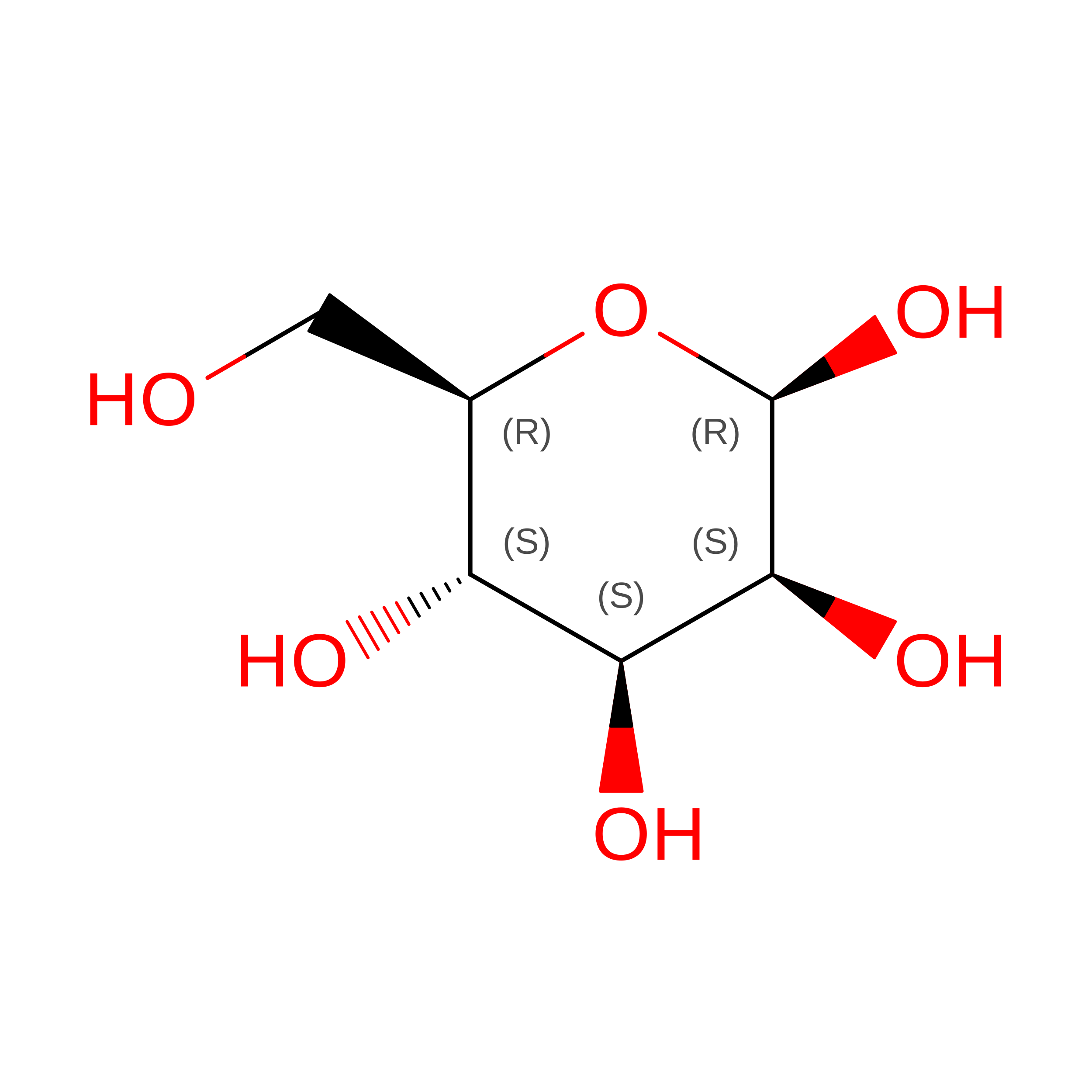 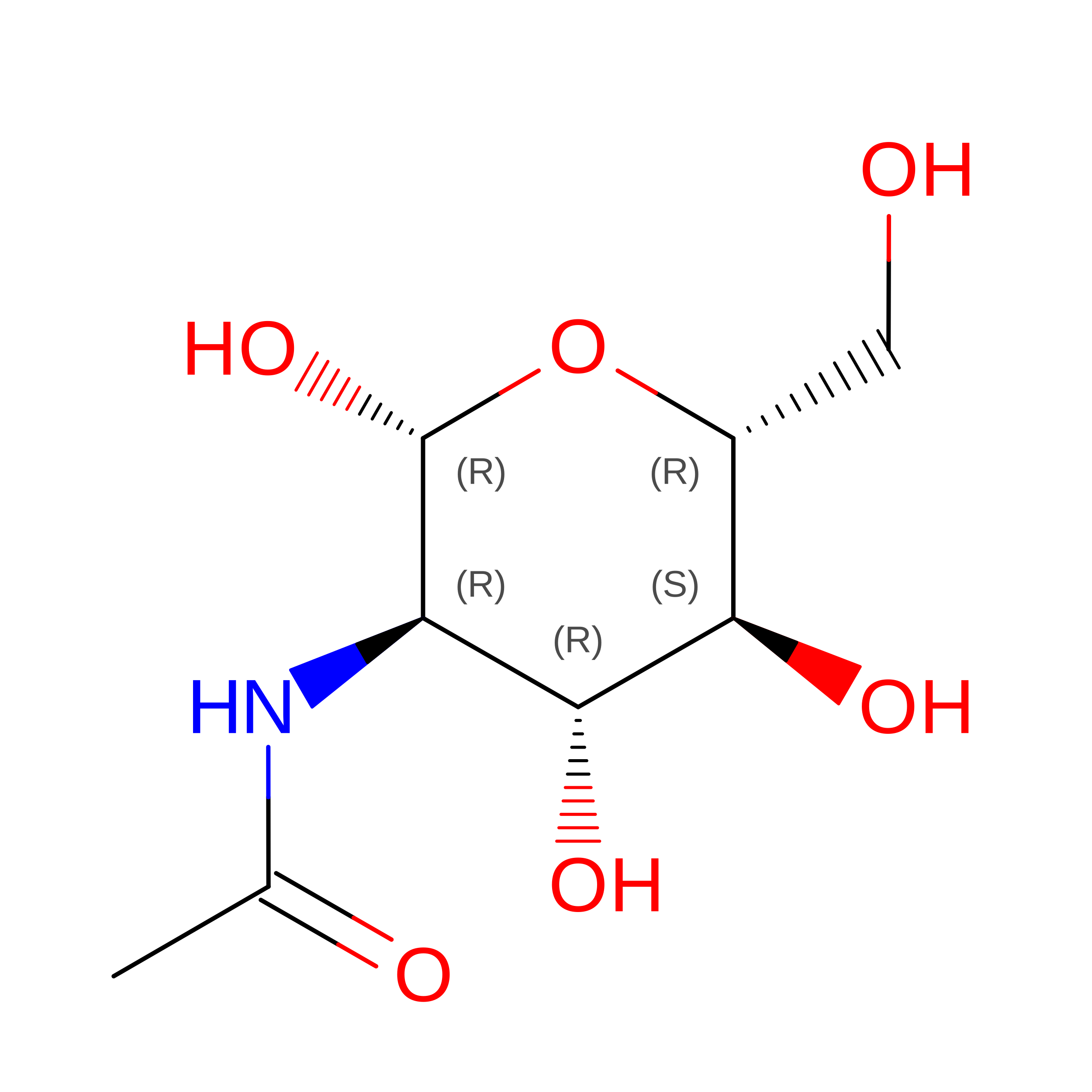 | BMA · NAG3 sugar units | E, F, H, I | |
2-acetamido-2-deoxy-beta-D-glucopyranose-(1-4)-2-acetamido-2-deoxy-beta-D-glucopyranoseGlycan · Entity 4GlyCosmos G42666HT ↗CCD NAG ↗Component chemical diagrams · RCSB PDBIndividual sugar components; this is not a diagram of glycan linkages. | NAG2 sugar units | G, J | |
2-acetamido-2-deoxy-beta-D-glucopyranoseLigand / ion · Entity 5CCD NAG ↗Chemical diagram · RCSB PDB | NAG | K, L, N, O, Q, VAuthor: A, B, C, D | |
2-amino-2-deoxy-4-O-phosphono-alpha-D-glucopyranoseLigand / ion · Entity 6CCD GP4 ↗Chemical diagram · RCSB PDB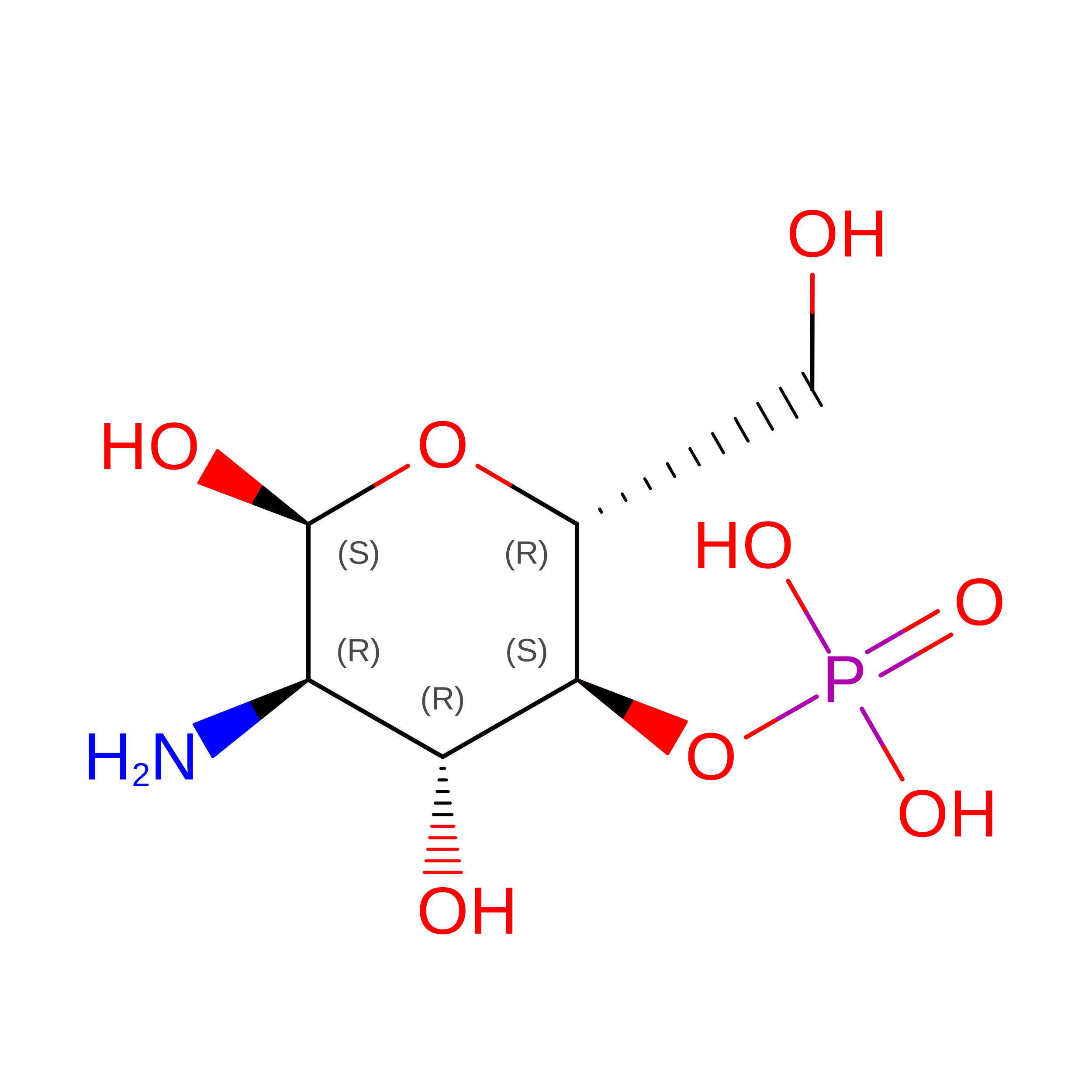 | GP4 | M, PAuthor: A, B | |
(3R)-3-(dodecanoyloxy)tetradecanoic acidLigand / ion · Entity 7CCD 2IL ↗Chemical diagram · RCSB PDB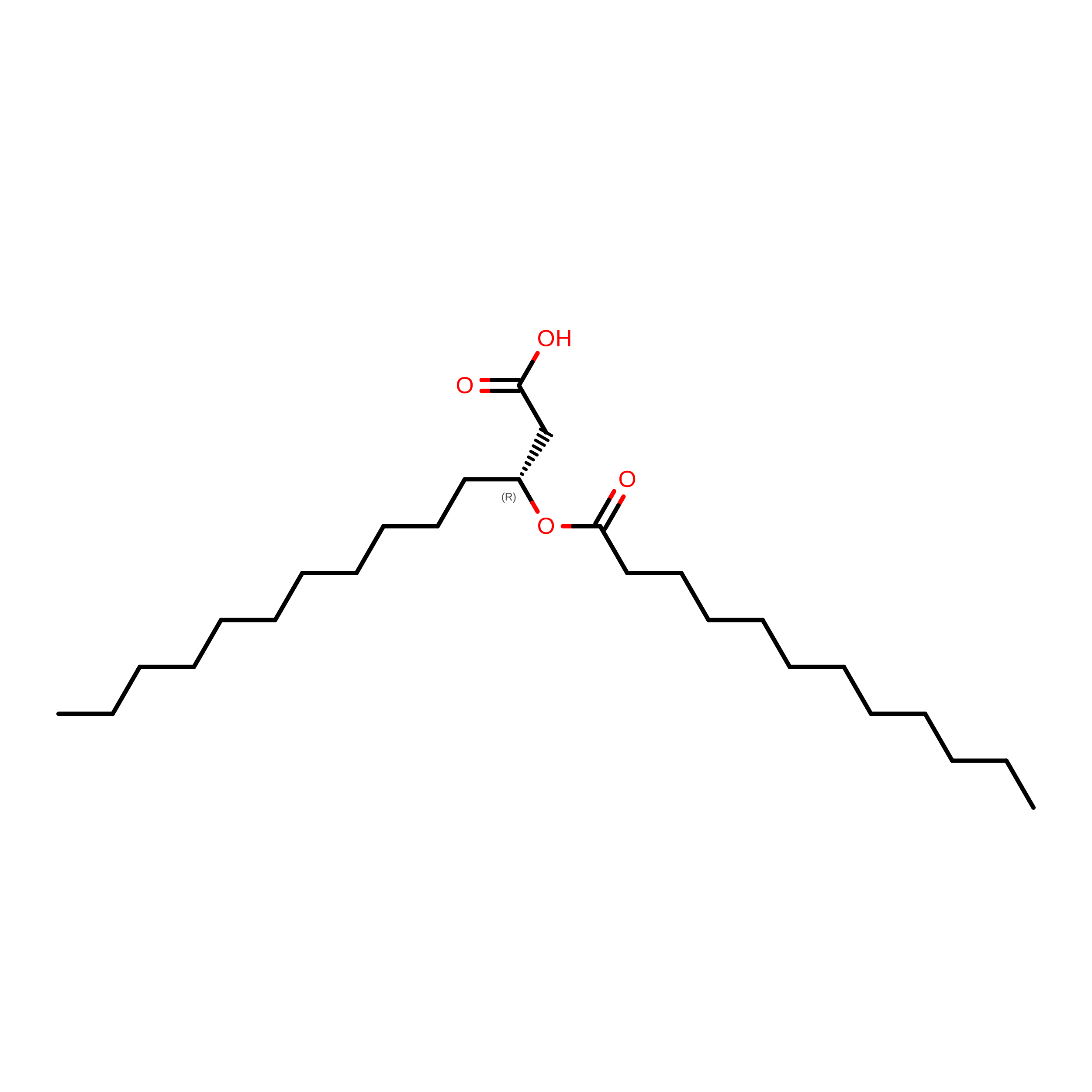 | 2IL | R, WAuthor: C, D | |
(3R)-3-(tetradecanoyloxy)tetradecanoic acidLigand / ion · Entity 8CCD 0IL ↗Chemical diagram · RCSB PDB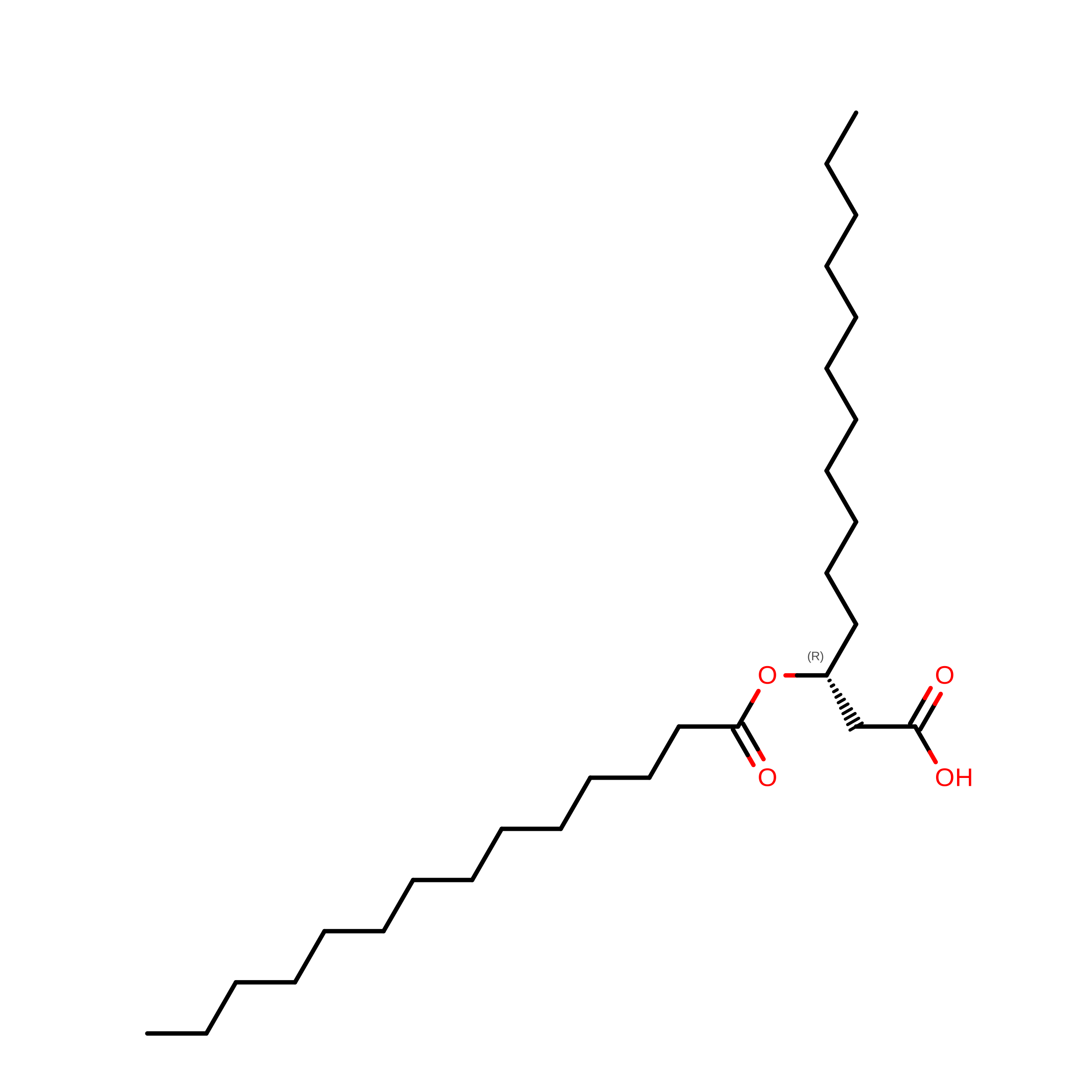 | 0IL | S, XAuthor: C, D | |
[(2~{R},3~{S},4~{R},5~{S})-2-(hydroxymethyl)-5-methoxy-4,6-bis(oxidanyl)oxan-3-yl] dihydrogen phosphateLigand / ion · Entity 9CCD X6N ↗Chemical diagram · RCSB PDB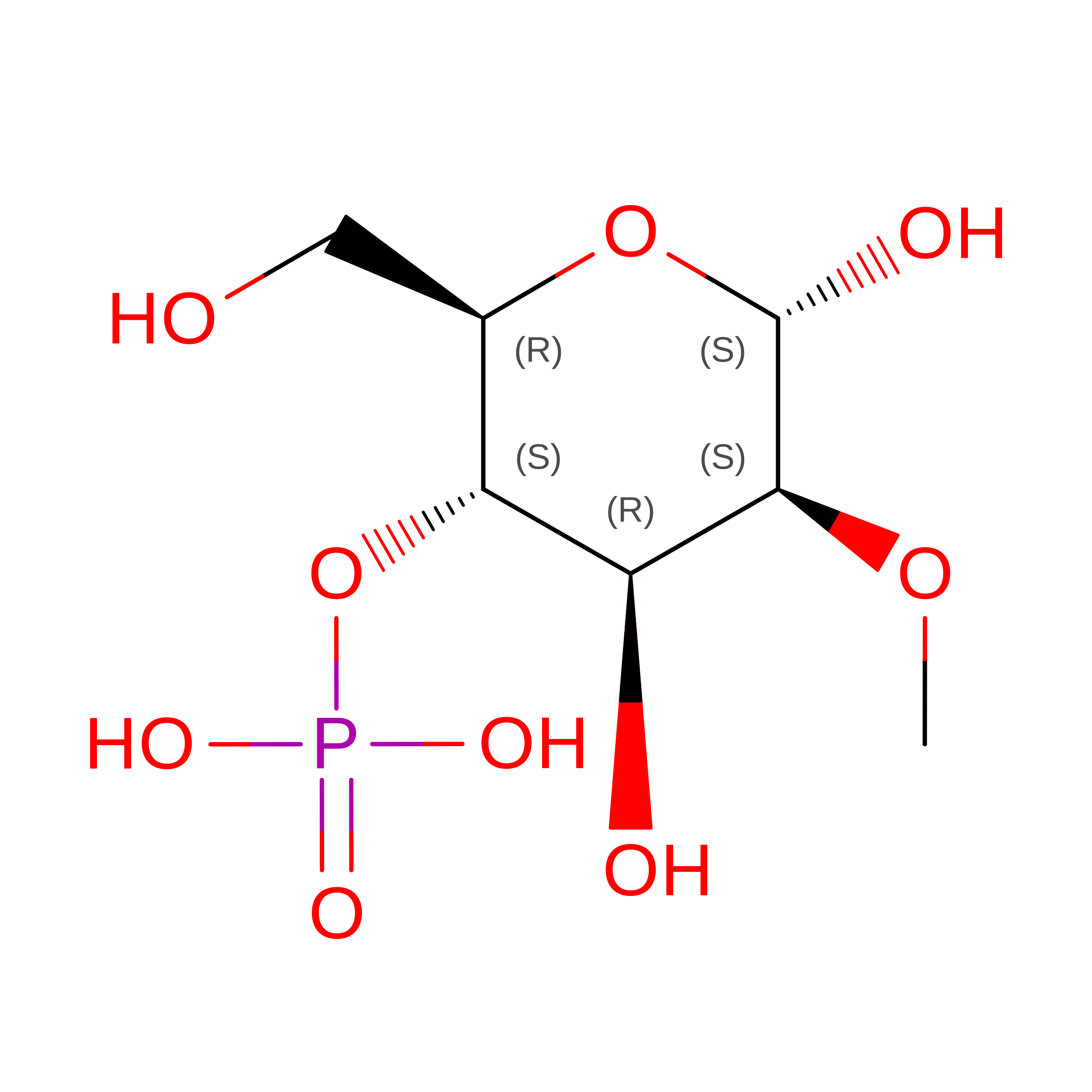 | X6N | T, YAuthor: C, D | |
(3~{S})-3-decanoyloxytetradecanoic acidLigand / ion · Entity 10CCD A1L01 ↗Chemical diagram · RCSB PDB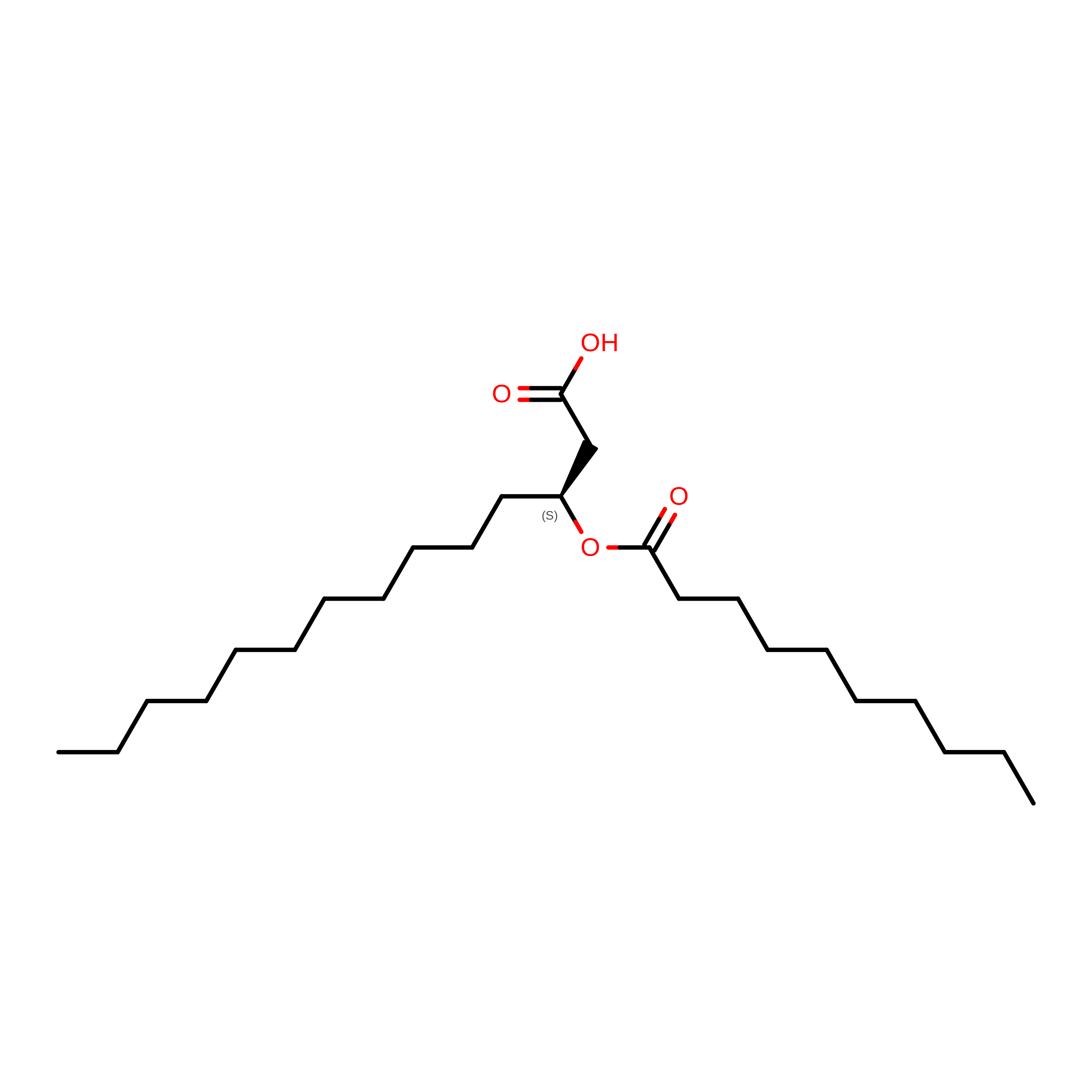 | A1L01 | U, ZAuthor: C, D |
Chemical diagrams are recorded RCSB component depictions. Glycan names and source identifiers retain the recorded linkage information.
Structure validation
Recorded PDBe metrics describe model geometry. Percentiles compare with the archive; they are not probabilities of correctness. Missing metrics are not zero.
Serious atomic overlaps per 1,000 atoms; lower is better.
Archive percentile: 37.3Backbone conformations outside preferred regions; lower is better.
Archive percentile: 100.0Unusual side-chain conformations; lower is better.
Archive percentile: 100.0Publication
Structural insight into TLR4/MD-2 activation by synthetic LPS mimetics with distinct binding modes.
Paper date: 05/05/2025 · Read publication ↗
Structure references are from the dated source record. Opening another structure follows your existing Atlas account permissions.
Available structures 16
Scroll across the table for evidence and actions.
16 recorded rows
| Record | Evidence type | Method | Resolution | Open |
|---|---|---|---|---|
| 8WO1 | experimental | EM | 2.24 A | Open in Atlas ↗ |
| 4G8A | experimental | X-ray | 2.40 A | Open in Atlas ↗ |
| 9J03 | experimental | EM | 2.70 A | Open in Atlas ↗ |
| 8WTA | experimental | EM | 2.90 A | Open in Atlas ↗ |
| 3FXI | experimental | X-ray | 3.10 A | Open in Atlas ↗ |
| 2Z63 | experimental | X-ray | 2.00 A | Open in Atlas ↗ |
| 2Z66 | experimental | X-ray | 1.90 A | Open in Atlas ↗ |
| 2Z62 | experimental | X-ray | 1.70 A | Open in Atlas ↗ |
| 3UL7 | experimental | X-ray | 2.37 A | Open in Atlas ↗ |
| 3UL9 | experimental | X-ray | 2.45 A | Open in Atlas ↗ |
| 3UL8 | experimental | X-ray | 2.50 A | Open in Atlas ↗ |
| 2Z65 | experimental | X-ray | 2.70 A | Open in Atlas ↗ |
| 3ULA | experimental | X-ray | 3.60 A | Open in Atlas ↗ |
| 5NAM | experimental | NMR | - | Open in Atlas ↗ |
| 5NAO | experimental | NMR | - | Open in Atlas ↗ |
| AF-O00206-F1 | predicted | AlphaFold | Not applicable | Open in Atlas ↗ |
Family & Domains
The TIR domain mediates interaction with NOX4
Evidence & references
- ECO:0000269 PubMed:15356101 ↗
Complete source annotation
{
  "texts": [
    {
      "evidences": [
        {
          "evidenceCode": "ECO:0000269",
          "source": "PubMed",
          "id": "15356101"
        }
      ],
      "value": "The TIR domain mediates interaction with NOX4"
    }
  ],
  "commentType": "DOMAIN"
}
Belongs to the Toll-like receptor family
Evidence & references
- ECO:0000305
Complete source annotation
{
  "texts": [
    {
      "evidences": [
        {
          "evidenceCode": "ECO:0000305"
        }
      ],
      "value": "Belongs to the Toll-like receptor family"
    }
  ],
  "commentType": "SIMILARITY"
}
Domain architecture
Canonical coordinates. Overlapping marks share a lane; individual records and evidence are in the tables below. Gaps in coverage are not selectable in 3D. Use the track links and tables for keyboard inspection.
Atlas domains, motifs & repeats 34
Scroll across the table for evidence and actions.
34 recorded rows
| Annotation | Position | Source & interpretation | Inspect |
|---|---|---|---|
| Prokaryotic membrane lipoprotein lipid attachment site profilePS51257 | 1–20 | PROSITESignature match Sequence-signature evidence; this does not independently establish function or processing. In prokaryotes, membrane lipoproteins are synthesized with a precursor signal peptide, which is cleaved by a specific lipoprotein signal peptidase (signal peptidase II). The peptidase recognizes a conserved sequence and cuts upstream of a cysteine residue to which a glyceride-fatty acid lipid is attached. Full source descriptionIn prokaryotes, membrane lipoproteins are synthesized with a precursor signal peptide, which is cleaved by a specific lipoprotein signal peptidase (signal peptidase II). The peptidase recognizes a conserved sequence and cuts upstream of a cysteine residue to which a glyceride-fatty acid lipid is attached. Some of the proteins known to undergo such processing currently include (for recent listings see ): - Major outer membrane lipoprotein (murein-lipoproteins) (gene lpp). - Escherichia coli lipoprotein-28 (gene nlpA). - Escherichia coli lipoprotein-34 (gene nlpB). - Escherichia coli lipoprotein nlpC. - Escherichia coli lipoprotein nlpD. - Escherichia coli osmotically inducible lipoprotein B (gene osmB). - Escherichia coli osmotically inducible lipoprotein E (gene osmE). - Escherichia coli peptidoglycan-associated lipoprotein (gene pal). - Escherichia coli rare lipoproteins A and B (genes rplA and rplB). - Escherichia coli copper homeostasis protein cutF (or nlpE). - Escherichia coli plasmids traT proteins. - Escherichia coli Col plasmids lysis proteins. - A number of Bacillus beta-lactamases. - Bacillus subtilis periplasmic oligopeptide-binding protein (gene oppA). - Borrelia burgdorferi outer surface proteins A and B (genes ospA and ospB). - Borrelia hermsii variable major protein 21 (gene vmp21) and 7 (gene vmp7). - Chlamydia trachomatis outer membrane protein 3 (gene omp3). - Fibrobacter succinogenes endoglucanase cel-3. - Haemophilus influenzae proteins Pal and Pcp. - Klebsiella pullulunase (gene pulA). - Klebsiella pullulunase secretion protein pulS. - Mycoplasma hyorhinis protein p37. - Mycoplasma hyorhinis variant surface antigens A, B, and C (genes vlpABC). - Neisseria outer membrane protein H.8. - Pseudomonas aeruginosa lipopeptide (gene lppL). - Pseudomonas solanacearum endoglucanase egl. - Rhodopseudomonas viridis reaction center cytochrome subunit (gene cytC). - Rickettsia 17 Kd antigen. - Shigella flexneri invasion plasmid proteins mxiJ and mxiM. - Streptococcus pneumoniae oligopeptide transport protein A (gene amiA). - Treponema pallidium 34 Kd antigen. - Treponema pallidium membrane protein A (gene tmpA). - Vibrio harveyi chitobiase (gene chb). - Yersinia virulence plasmid protein yscJ. - Halocyanin from Natrobacterium pharaonis, a membrane associated copper- binding protein. This is the first archaebacterial protein known to be modified in such a fashion). From the precursor sequences of all these proteins, we derived a profile that starts at the beginning of the sequence and ends after the post-translationally modified cysteine. | No verified residues in this structure |
| LRR RegionCLUSTER_LRR_57_247 | 57–247 | ALPHASUITEdomain 10 LRR repeats grouped into a tandem region. | 191/191 residues mapped to 8WO1 |
| Leucine-rich repeatIPR001611 | 57–114 | INTERPROrepeat Leucine-rich repeats (LRR) consist of 2-45 motifs of 20-30 amino acids in length that generally folds into an arc or horseshoe shape. LRRs occur in proteins ranging from viruses to eukaryotes, and appear to provide a structural framework for the formation of protein-protein interactions.Proteins containing LRRs include tyrosine kinase receptors, cell-adhesion molecules, virulence factors, and extracellular matrix-binding glycoproteins, and are involved in a variety of biological processes, including signal transduction, cell adhesion, DNA repair, recombination, transcription, RNA processing, disease resistance, apoptosis, and the immune response. Full source descriptionLeucine-rich repeats (LRR) consist of 2-45 motifs of 20-30 amino acids in length that generally folds into an arc or horseshoe shape. LRRs occur in proteins ranging from viruses to eukaryotes, and appear to provide a structural framework for the formation of protein-protein interactions.Proteins containing LRRs include tyrosine kinase receptors, cell-adhesion molecules, virulence factors, and extracellular matrix-binding glycoproteins, and are involved in a variety of biological processes, including signal transduction, cell adhesion, DNA repair, recombination, transcription, RNA processing, disease resistance, apoptosis, and the immune response. Sequence analyses of LRR proteins suggested the existence of several different subfamilies of LRRs. The significance of this classification is that repeats from different subfamilies never occur simultaneously and have most probably evolved independently. It is, however, now clear that all major classes of LRR have curved horseshoe structures with a parallel β sheet on the concave side and mostly helical elements on the convex side. At least six families of LRR proteins, characterised by different lengths and consensus sequences of the repeats, have been identified. Eleven-residue segments of the LRRs (LxxLxLxxN/CxL), corresponding to the β-strand and adjacent loop regions, are conserved in LRR proteins, whereas the remaining parts of the repeats (herein termed variable) may be very different. Despite the differences, each of the variable parts contains two half-turns at both ends and a "linear" segment (as the chain follows a linear path overall), usually formed by a helix, in the middle. The concave face and the adjacent loops are the most common protein interaction surfaces on LRR proteins. 3D structure of some LRR proteins-ligand complexes show that the concave surface of LRR domain is ideal for interaction with α-helix, thus supporting earlier conclusions that the elongated and curved LRR structure provides an outstanding framework for achieving diverse protein-protein interactions. Molecular modeling suggests that the conserved pattern LxxLxL, which is shorter than the previously proposed LxxLxLxxN/CxL is sufficient to impart the characteristic horseshoe curvature to proteins with 20-to 30-residue repeats. | 58/58 residues mapped to 8WO1 |
| Leucine-rich repeat, typical subtypeIPR003591 | 57–76 | INTERPROrepeat Leucine-rich repeats (LRR) consist of 2-45 motifs of 20-30 amino acids in length that generally folds into an arc or horseshoe shape. LRRs occur in proteins ranging from viruses to eukaryotes, and appear to provide a structural framework for the formation of protein-protein interactions.Proteins containing LRRs include tyrosine kinase receptors, cell-adhesion molecules, virulence factors, and extracellular matrix-binding glycoproteins, and are involved in a variety of biological processes, including signal transduction, cell adhesion, DNA repair, recombination, transcription, RNA processing, disease resistance, apoptosis, and the immune response. Full source descriptionLeucine-rich repeats (LRR) consist of 2-45 motifs of 20-30 amino acids in length that generally folds into an arc or horseshoe shape. LRRs occur in proteins ranging from viruses to eukaryotes, and appear to provide a structural framework for the formation of protein-protein interactions.Proteins containing LRRs include tyrosine kinase receptors, cell-adhesion molecules, virulence factors, and extracellular matrix-binding glycoproteins, and are involved in a variety of biological processes, including signal transduction, cell adhesion, DNA repair, recombination, transcription, RNA processing, disease resistance, apoptosis, and the immune response. Sequence analyses of LRR proteins suggested the existence of several different subfamilies of LRRs. The significance of this classification is that repeats from different subfamilies never occur simultaneously and have most probably evolved independently. It is, however, now clear that all major classes of LRR have curved horseshoe structures with a parallel β sheet on the concave side and mostly helical elements on the convex side. At least six families of LRR proteins, characterised by different lengths and consensus sequences of the repeats, have been identified. Eleven-residue segments of the LRRs (LxxLxLxxN/CxL), corresponding to the β-strand and adjacent loop regions, are conserved in LRR proteins, whereas the remaining parts of the repeats (herein termed variable) may be very different. Despite the differences, each of the variable parts contains two half-turns at both ends and a "linear" segment (as the chain follows a linear path overall), usually formed by a helix, in the middle. The concave face and the adjacent loops are the most common protein interaction surfaces on LRR proteins. 3D structure of some LRR proteins-ligand complexes show that the concave surface of LRR domain is ideal for interaction with α-helix, thus supporting earlier conclusions that the elongated and curved LRR structure provides an outstanding framework for achieving diverse protein-protein interactions. Molecular modeling suggests that the conserved pattern LxxLxL, which is shorter than the previously proposed LxxLxLxxN/CxL is sufficient to impart the characteristic horseshoe curvature to proteins with 20-to 30-residue repeats. This entry represents a most populated subfamily of leucine-rich repeats. | 20/20 residues mapped to 8WO1 |
| Leucine-rich repeat, typical subtypeIPR003591 | 77–100 | INTERPROrepeat Leucine-rich repeats (LRR) consist of 2-45 motifs of 20-30 amino acids in length that generally folds into an arc or horseshoe shape. LRRs occur in proteins ranging from viruses to eukaryotes, and appear to provide a structural framework for the formation of protein-protein interactions.Proteins containing LRRs include tyrosine kinase receptors, cell-adhesion molecules, virulence factors, and extracellular matrix-binding glycoproteins, and are involved in a variety of biological processes, including signal transduction, cell adhesion, DNA repair, recombination, transcription, RNA processing, disease resistance, apoptosis, and the immune response. Full source descriptionLeucine-rich repeats (LRR) consist of 2-45 motifs of 20-30 amino acids in length that generally folds into an arc or horseshoe shape. LRRs occur in proteins ranging from viruses to eukaryotes, and appear to provide a structural framework for the formation of protein-protein interactions.Proteins containing LRRs include tyrosine kinase receptors, cell-adhesion molecules, virulence factors, and extracellular matrix-binding glycoproteins, and are involved in a variety of biological processes, including signal transduction, cell adhesion, DNA repair, recombination, transcription, RNA processing, disease resistance, apoptosis, and the immune response. Sequence analyses of LRR proteins suggested the existence of several different subfamilies of LRRs. The significance of this classification is that repeats from different subfamilies never occur simultaneously and have most probably evolved independently. It is, however, now clear that all major classes of LRR have curved horseshoe structures with a parallel β sheet on the concave side and mostly helical elements on the convex side. At least six families of LRR proteins, characterised by different lengths and consensus sequences of the repeats, have been identified. Eleven-residue segments of the LRRs (LxxLxLxxN/CxL), corresponding to the β-strand and adjacent loop regions, are conserved in LRR proteins, whereas the remaining parts of the repeats (herein termed variable) may be very different. Despite the differences, each of the variable parts contains two half-turns at both ends and a "linear" segment (as the chain follows a linear path overall), usually formed by a helix, in the middle. The concave face and the adjacent loops are the most common protein interaction surfaces on LRR proteins. 3D structure of some LRR proteins-ligand complexes show that the concave surface of LRR domain is ideal for interaction with α-helix, thus supporting earlier conclusions that the elongated and curved LRR structure provides an outstanding framework for achieving diverse protein-protein interactions. Molecular modeling suggests that the conserved pattern LxxLxL, which is shorter than the previously proposed LxxLxLxxN/CxL is sufficient to impart the characteristic horseshoe curvature to proteins with 20-to 30-residue repeats. This entry represents a most populated subfamily of leucine-rich repeats. | 24/24 residues mapped to 8WO1 |
| Leucine-rich repeat, typical subtypeIPR003591 | 101–124 | INTERPROrepeat Leucine-rich repeats (LRR) consist of 2-45 motifs of 20-30 amino acids in length that generally folds into an arc or horseshoe shape. LRRs occur in proteins ranging from viruses to eukaryotes, and appear to provide a structural framework for the formation of protein-protein interactions.Proteins containing LRRs include tyrosine kinase receptors, cell-adhesion molecules, virulence factors, and extracellular matrix-binding glycoproteins, and are involved in a variety of biological processes, including signal transduction, cell adhesion, DNA repair, recombination, transcription, RNA processing, disease resistance, apoptosis, and the immune response. Full source descriptionLeucine-rich repeats (LRR) consist of 2-45 motifs of 20-30 amino acids in length that generally folds into an arc or horseshoe shape. LRRs occur in proteins ranging from viruses to eukaryotes, and appear to provide a structural framework for the formation of protein-protein interactions.Proteins containing LRRs include tyrosine kinase receptors, cell-adhesion molecules, virulence factors, and extracellular matrix-binding glycoproteins, and are involved in a variety of biological processes, including signal transduction, cell adhesion, DNA repair, recombination, transcription, RNA processing, disease resistance, apoptosis, and the immune response. Sequence analyses of LRR proteins suggested the existence of several different subfamilies of LRRs. The significance of this classification is that repeats from different subfamilies never occur simultaneously and have most probably evolved independently. It is, however, now clear that all major classes of LRR have curved horseshoe structures with a parallel β sheet on the concave side and mostly helical elements on the convex side. At least six families of LRR proteins, characterised by different lengths and consensus sequences of the repeats, have been identified. Eleven-residue segments of the LRRs (LxxLxLxxN/CxL), corresponding to the β-strand and adjacent loop regions, are conserved in LRR proteins, whereas the remaining parts of the repeats (herein termed variable) may be very different. Despite the differences, each of the variable parts contains two half-turns at both ends and a "linear" segment (as the chain follows a linear path overall), usually formed by a helix, in the middle. The concave face and the adjacent loops are the most common protein interaction surfaces on LRR proteins. 3D structure of some LRR proteins-ligand complexes show that the concave surface of LRR domain is ideal for interaction with α-helix, thus supporting earlier conclusions that the elongated and curved LRR structure provides an outstanding framework for achieving diverse protein-protein interactions. Molecular modeling suggests that the conserved pattern LxxLxL, which is shorter than the previously proposed LxxLxLxxN/CxL is sufficient to impart the characteristic horseshoe curvature to proteins with 20-to 30-residue repeats. This entry represents a most populated subfamily of leucine-rich repeats. | 24/24 residues mapped to 8WO1 |
| LRR 4UNI_REPEAT_127_148 | 127–148 | UNIPROTrepeat LRR 4 Source entry ↗ | 22/22 residues mapped to 8WO1 |
| Leucine-rich repeat, SDS22-like subfamilySM00365 | 149–173 | SMARTdomain No description available for this entry. Source entry ↗ | 25/25 residues mapped to 8WO1 |
| Leucine-rich repeat, typical subtypeIPR003591 | 149–173 | INTERPROrepeat Leucine-rich repeats (LRR) consist of 2-45 motifs of 20-30 amino acids in length that generally folds into an arc or horseshoe shape. LRRs occur in proteins ranging from viruses to eukaryotes, and appear to provide a structural framework for the formation of protein-protein interactions.Proteins containing LRRs include tyrosine kinase receptors, cell-adhesion molecules, virulence factors, and extracellular matrix-binding glycoproteins, and are involved in a variety of biological processes, including signal transduction, cell adhesion, DNA repair, recombination, transcription, RNA processing, disease resistance, apoptosis, and the immune response. Full source descriptionLeucine-rich repeats (LRR) consist of 2-45 motifs of 20-30 amino acids in length that generally folds into an arc or horseshoe shape. LRRs occur in proteins ranging from viruses to eukaryotes, and appear to provide a structural framework for the formation of protein-protein interactions.Proteins containing LRRs include tyrosine kinase receptors, cell-adhesion molecules, virulence factors, and extracellular matrix-binding glycoproteins, and are involved in a variety of biological processes, including signal transduction, cell adhesion, DNA repair, recombination, transcription, RNA processing, disease resistance, apoptosis, and the immune response. Sequence analyses of LRR proteins suggested the existence of several different subfamilies of LRRs. The significance of this classification is that repeats from different subfamilies never occur simultaneously and have most probably evolved independently. It is, however, now clear that all major classes of LRR have curved horseshoe structures with a parallel β sheet on the concave side and mostly helical elements on the convex side. At least six families of LRR proteins, characterised by different lengths and consensus sequences of the repeats, have been identified. Eleven-residue segments of the LRRs (LxxLxLxxN/CxL), corresponding to the β-strand and adjacent loop regions, are conserved in LRR proteins, whereas the remaining parts of the repeats (herein termed variable) may be very different. Despite the differences, each of the variable parts contains two half-turns at both ends and a "linear" segment (as the chain follows a linear path overall), usually formed by a helix, in the middle. The concave face and the adjacent loops are the most common protein interaction surfaces on LRR proteins. 3D structure of some LRR proteins-ligand complexes show that the concave surface of LRR domain is ideal for interaction with α-helix, thus supporting earlier conclusions that the elongated and curved LRR structure provides an outstanding framework for achieving diverse protein-protein interactions. Molecular modeling suggests that the conserved pattern LxxLxL, which is shorter than the previously proposed LxxLxLxxN/CxL is sufficient to impart the characteristic horseshoe curvature to proteins with 20-to 30-residue repeats. This entry represents a most populated subfamily of leucine-rich repeats. | 25/25 residues mapped to 8WO1 |
| Leucine-rich repeatIPR001611 | 151–207 | INTERPROrepeat Leucine-rich repeats (LRR) consist of 2-45 motifs of 20-30 amino acids in length that generally folds into an arc or horseshoe shape. LRRs occur in proteins ranging from viruses to eukaryotes, and appear to provide a structural framework for the formation of protein-protein interactions.Proteins containing LRRs include tyrosine kinase receptors, cell-adhesion molecules, virulence factors, and extracellular matrix-binding glycoproteins, and are involved in a variety of biological processes, including signal transduction, cell adhesion, DNA repair, recombination, transcription, RNA processing, disease resistance, apoptosis, and the immune response. Full source descriptionLeucine-rich repeats (LRR) consist of 2-45 motifs of 20-30 amino acids in length that generally folds into an arc or horseshoe shape. LRRs occur in proteins ranging from viruses to eukaryotes, and appear to provide a structural framework for the formation of protein-protein interactions.Proteins containing LRRs include tyrosine kinase receptors, cell-adhesion molecules, virulence factors, and extracellular matrix-binding glycoproteins, and are involved in a variety of biological processes, including signal transduction, cell adhesion, DNA repair, recombination, transcription, RNA processing, disease resistance, apoptosis, and the immune response. Sequence analyses of LRR proteins suggested the existence of several different subfamilies of LRRs. The significance of this classification is that repeats from different subfamilies never occur simultaneously and have most probably evolved independently. It is, however, now clear that all major classes of LRR have curved horseshoe structures with a parallel β sheet on the concave side and mostly helical elements on the convex side. At least six families of LRR proteins, characterised by different lengths and consensus sequences of the repeats, have been identified. Eleven-residue segments of the LRRs (LxxLxLxxN/CxL), corresponding to the β-strand and adjacent loop regions, are conserved in LRR proteins, whereas the remaining parts of the repeats (herein termed variable) may be very different. Despite the differences, each of the variable parts contains two half-turns at both ends and a "linear" segment (as the chain follows a linear path overall), usually formed by a helix, in the middle. The concave face and the adjacent loops are the most common protein interaction surfaces on LRR proteins. 3D structure of some LRR proteins-ligand complexes show that the concave surface of LRR domain is ideal for interaction with α-helix, thus supporting earlier conclusions that the elongated and curved LRR structure provides an outstanding framework for achieving diverse protein-protein interactions. Molecular modeling suggests that the conserved pattern LxxLxL, which is shorter than the previously proposed LxxLxLxxN/CxL is sufficient to impart the characteristic horseshoe curvature to proteins with 20-to 30-residue repeats. | 57/57 residues mapped to 8WO1 |
| Leucine-rich repeat, SDS22-like subfamilySM00365 | 174–195 | SMARTdomain No description available for this entry. Source entry ↗ | 22/22 residues mapped to 8WO1 |
| Leucine-rich repeat, typical subtypeIPR003591 | 174–195 | INTERPROrepeat Leucine-rich repeats (LRR) consist of 2-45 motifs of 20-30 amino acids in length that generally folds into an arc or horseshoe shape. LRRs occur in proteins ranging from viruses to eukaryotes, and appear to provide a structural framework for the formation of protein-protein interactions.Proteins containing LRRs include tyrosine kinase receptors, cell-adhesion molecules, virulence factors, and extracellular matrix-binding glycoproteins, and are involved in a variety of biological processes, including signal transduction, cell adhesion, DNA repair, recombination, transcription, RNA processing, disease resistance, apoptosis, and the immune response. Full source descriptionLeucine-rich repeats (LRR) consist of 2-45 motifs of 20-30 amino acids in length that generally folds into an arc or horseshoe shape. LRRs occur in proteins ranging from viruses to eukaryotes, and appear to provide a structural framework for the formation of protein-protein interactions.Proteins containing LRRs include tyrosine kinase receptors, cell-adhesion molecules, virulence factors, and extracellular matrix-binding glycoproteins, and are involved in a variety of biological processes, including signal transduction, cell adhesion, DNA repair, recombination, transcription, RNA processing, disease resistance, apoptosis, and the immune response. Sequence analyses of LRR proteins suggested the existence of several different subfamilies of LRRs. The significance of this classification is that repeats from different subfamilies never occur simultaneously and have most probably evolved independently. It is, however, now clear that all major classes of LRR have curved horseshoe structures with a parallel β sheet on the concave side and mostly helical elements on the convex side. At least six families of LRR proteins, characterised by different lengths and consensus sequences of the repeats, have been identified. Eleven-residue segments of the LRRs (LxxLxLxxN/CxL), corresponding to the β-strand and adjacent loop regions, are conserved in LRR proteins, whereas the remaining parts of the repeats (herein termed variable) may be very different. Despite the differences, each of the variable parts contains two half-turns at both ends and a "linear" segment (as the chain follows a linear path overall), usually formed by a helix, in the middle. The concave face and the adjacent loops are the most common protein interaction surfaces on LRR proteins. 3D structure of some LRR proteins-ligand complexes show that the concave surface of LRR domain is ideal for interaction with α-helix, thus supporting earlier conclusions that the elongated and curved LRR structure provides an outstanding framework for achieving diverse protein-protein interactions. Molecular modeling suggests that the conserved pattern LxxLxL, which is shorter than the previously proposed LxxLxLxxN/CxL is sufficient to impart the characteristic horseshoe curvature to proteins with 20-to 30-residue repeats. This entry represents a most populated subfamily of leucine-rich repeats. | 22/22 residues mapped to 8WO1 |
| LEURICHRPTPR00019 | 177–190 | PRINTSSignature match Sequence-signature evidence; this does not independently establish function or processing. No description available for this entry. Source entry ↗ | 14/14 residues mapped to 8WO1 |
| Leucine-rich repeat, typical subtypeIPR003591 | 201–225 | INTERPROrepeat Leucine-rich repeats (LRR) consist of 2-45 motifs of 20-30 amino acids in length that generally folds into an arc or horseshoe shape. LRRs occur in proteins ranging from viruses to eukaryotes, and appear to provide a structural framework for the formation of protein-protein interactions.Proteins containing LRRs include tyrosine kinase receptors, cell-adhesion molecules, virulence factors, and extracellular matrix-binding glycoproteins, and are involved in a variety of biological processes, including signal transduction, cell adhesion, DNA repair, recombination, transcription, RNA processing, disease resistance, apoptosis, and the immune response. Full source descriptionLeucine-rich repeats (LRR) consist of 2-45 motifs of 20-30 amino acids in length that generally folds into an arc or horseshoe shape. LRRs occur in proteins ranging from viruses to eukaryotes, and appear to provide a structural framework for the formation of protein-protein interactions.Proteins containing LRRs include tyrosine kinase receptors, cell-adhesion molecules, virulence factors, and extracellular matrix-binding glycoproteins, and are involved in a variety of biological processes, including signal transduction, cell adhesion, DNA repair, recombination, transcription, RNA processing, disease resistance, apoptosis, and the immune response. Sequence analyses of LRR proteins suggested the existence of several different subfamilies of LRRs. The significance of this classification is that repeats from different subfamilies never occur simultaneously and have most probably evolved independently. It is, however, now clear that all major classes of LRR have curved horseshoe structures with a parallel β sheet on the concave side and mostly helical elements on the convex side. At least six families of LRR proteins, characterised by different lengths and consensus sequences of the repeats, have been identified. Eleven-residue segments of the LRRs (LxxLxLxxN/CxL), corresponding to the β-strand and adjacent loop regions, are conserved in LRR proteins, whereas the remaining parts of the repeats (herein termed variable) may be very different. Despite the differences, each of the variable parts contains two half-turns at both ends and a "linear" segment (as the chain follows a linear path overall), usually formed by a helix, in the middle. The concave face and the adjacent loops are the most common protein interaction surfaces on LRR proteins. 3D structure of some LRR proteins-ligand complexes show that the concave surface of LRR domain is ideal for interaction with α-helix, thus supporting earlier conclusions that the elongated and curved LRR structure provides an outstanding framework for achieving diverse protein-protein interactions. Molecular modeling suggests that the conserved pattern LxxLxL, which is shorter than the previously proposed LxxLxLxxN/CxL is sufficient to impart the characteristic horseshoe curvature to proteins with 20-to 30-residue repeats. This entry represents a most populated subfamily of leucine-rich repeats. | 25/25 residues mapped to 8WO1 |
| LRR 8UNI_REPEAT_227_247 | 227–247 | UNIPROTrepeat LRR 8 Source entry ↗ | 21/21 residues mapped to 8WO1 |
| LRR RegionCLUSTER_LRR_331_565 | 331–565 | ALPHASUITEdomain 12 LRR repeats grouped into a tandem region. | 235/235 residues mapped to 8WO1 |
| LRR 9UNI_REPEAT_331_351 | 331–351 | UNIPROTrepeat LRR 9 Source entry ↗ | 21/21 residues mapped to 8WO1 |
| LRR 10UNI_REPEAT_352_373 | 352–373 | UNIPROTrepeat LRR 10 Source entry ↗ | 22/22 residues mapped to 8WO1 |
| Leucine-rich repeat, typical subtypeIPR003591 | 372–393 | INTERPROrepeat Leucine-rich repeats (LRR) consist of 2-45 motifs of 20-30 amino acids in length that generally folds into an arc or horseshoe shape. LRRs occur in proteins ranging from viruses to eukaryotes, and appear to provide a structural framework for the formation of protein-protein interactions.Proteins containing LRRs include tyrosine kinase receptors, cell-adhesion molecules, virulence factors, and extracellular matrix-binding glycoproteins, and are involved in a variety of biological processes, including signal transduction, cell adhesion, DNA repair, recombination, transcription, RNA processing, disease resistance, apoptosis, and the immune response. Full source descriptionLeucine-rich repeats (LRR) consist of 2-45 motifs of 20-30 amino acids in length that generally folds into an arc or horseshoe shape. LRRs occur in proteins ranging from viruses to eukaryotes, and appear to provide a structural framework for the formation of protein-protein interactions.Proteins containing LRRs include tyrosine kinase receptors, cell-adhesion molecules, virulence factors, and extracellular matrix-binding glycoproteins, and are involved in a variety of biological processes, including signal transduction, cell adhesion, DNA repair, recombination, transcription, RNA processing, disease resistance, apoptosis, and the immune response. Sequence analyses of LRR proteins suggested the existence of several different subfamilies of LRRs. The significance of this classification is that repeats from different subfamilies never occur simultaneously and have most probably evolved independently. It is, however, now clear that all major classes of LRR have curved horseshoe structures with a parallel β sheet on the concave side and mostly helical elements on the convex side. At least six families of LRR proteins, characterised by different lengths and consensus sequences of the repeats, have been identified. Eleven-residue segments of the LRRs (LxxLxLxxN/CxL), corresponding to the β-strand and adjacent loop regions, are conserved in LRR proteins, whereas the remaining parts of the repeats (herein termed variable) may be very different. Despite the differences, each of the variable parts contains two half-turns at both ends and a "linear" segment (as the chain follows a linear path overall), usually formed by a helix, in the middle. The concave face and the adjacent loops are the most common protein interaction surfaces on LRR proteins. 3D structure of some LRR proteins-ligand complexes show that the concave surface of LRR domain is ideal for interaction with α-helix, thus supporting earlier conclusions that the elongated and curved LRR structure provides an outstanding framework for achieving diverse protein-protein interactions. Molecular modeling suggests that the conserved pattern LxxLxL, which is shorter than the previously proposed LxxLxLxxN/CxL is sufficient to impart the characteristic horseshoe curvature to proteins with 20-to 30-residue repeats. This entry represents a most populated subfamily of leucine-rich repeats. | 22/22 residues mapped to 8WO1 |
| LEURICHRPTPR00019 | 372–385 | PRINTSSignature match Sequence-signature evidence; this does not independently establish function or processing. No description available for this entry. Source entry ↗ | 14/14 residues mapped to 8WO1 |
| Leucine-rich repeat, SDS22-like subfamilySM00365 | 398–420 | SMARTdomain No description available for this entry. Source entry ↗ | 23/23 residues mapped to 8WO1 |
| Leucine-rich repeatIPR001611 | 399–412 | INTERPROrepeat Leucine-rich repeats (LRR) consist of 2-45 motifs of 20-30 amino acids in length that generally folds into an arc or horseshoe shape. LRRs occur in proteins ranging from viruses to eukaryotes, and appear to provide a structural framework for the formation of protein-protein interactions.Proteins containing LRRs include tyrosine kinase receptors, cell-adhesion molecules, virulence factors, and extracellular matrix-binding glycoproteins, and are involved in a variety of biological processes, including signal transduction, cell adhesion, DNA repair, recombination, transcription, RNA processing, disease resistance, apoptosis, and the immune response. Full source descriptionLeucine-rich repeats (LRR) consist of 2-45 motifs of 20-30 amino acids in length that generally folds into an arc or horseshoe shape. LRRs occur in proteins ranging from viruses to eukaryotes, and appear to provide a structural framework for the formation of protein-protein interactions.Proteins containing LRRs include tyrosine kinase receptors, cell-adhesion molecules, virulence factors, and extracellular matrix-binding glycoproteins, and are involved in a variety of biological processes, including signal transduction, cell adhesion, DNA repair, recombination, transcription, RNA processing, disease resistance, apoptosis, and the immune response. Sequence analyses of LRR proteins suggested the existence of several different subfamilies of LRRs. The significance of this classification is that repeats from different subfamilies never occur simultaneously and have most probably evolved independently. It is, however, now clear that all major classes of LRR have curved horseshoe structures with a parallel β sheet on the concave side and mostly helical elements on the convex side. At least six families of LRR proteins, characterised by different lengths and consensus sequences of the repeats, have been identified. Eleven-residue segments of the LRRs (LxxLxLxxN/CxL), corresponding to the β-strand and adjacent loop regions, are conserved in LRR proteins, whereas the remaining parts of the repeats (herein termed variable) may be very different. Despite the differences, each of the variable parts contains two half-turns at both ends and a "linear" segment (as the chain follows a linear path overall), usually formed by a helix, in the middle. The concave face and the adjacent loops are the most common protein interaction surfaces on LRR proteins. 3D structure of some LRR proteins-ligand complexes show that the concave surface of LRR domain is ideal for interaction with α-helix, thus supporting earlier conclusions that the elongated and curved LRR structure provides an outstanding framework for achieving diverse protein-protein interactions. Molecular modeling suggests that the conserved pattern LxxLxL, which is shorter than the previously proposed LxxLxLxxN/CxL is sufficient to impart the characteristic horseshoe curvature to proteins with 20-to 30-residue repeats. | 14/14 residues mapped to 8WO1 |
| LRR 12UNI_REPEAT_400_422 | 400–422 | UNIPROTrepeat LRR 12 Source entry ↗ | 23/23 residues mapped to 8WO1 |
| Leucine-rich repeat, SDS22-like subfamilySM00365 | 421–442 | SMARTdomain No description available for this entry. Source entry ↗ | 22/22 residues mapped to 8WO1 |
| Leucine-rich repeat, typical subtypeIPR003591 | 421–444 | INTERPROrepeat Leucine-rich repeats (LRR) consist of 2-45 motifs of 20-30 amino acids in length that generally folds into an arc or horseshoe shape. LRRs occur in proteins ranging from viruses to eukaryotes, and appear to provide a structural framework for the formation of protein-protein interactions.Proteins containing LRRs include tyrosine kinase receptors, cell-adhesion molecules, virulence factors, and extracellular matrix-binding glycoproteins, and are involved in a variety of biological processes, including signal transduction, cell adhesion, DNA repair, recombination, transcription, RNA processing, disease resistance, apoptosis, and the immune response. Full source descriptionLeucine-rich repeats (LRR) consist of 2-45 motifs of 20-30 amino acids in length that generally folds into an arc or horseshoe shape. LRRs occur in proteins ranging from viruses to eukaryotes, and appear to provide a structural framework for the formation of protein-protein interactions.Proteins containing LRRs include tyrosine kinase receptors, cell-adhesion molecules, virulence factors, and extracellular matrix-binding glycoproteins, and are involved in a variety of biological processes, including signal transduction, cell adhesion, DNA repair, recombination, transcription, RNA processing, disease resistance, apoptosis, and the immune response. Sequence analyses of LRR proteins suggested the existence of several different subfamilies of LRRs. The significance of this classification is that repeats from different subfamilies never occur simultaneously and have most probably evolved independently. It is, however, now clear that all major classes of LRR have curved horseshoe structures with a parallel β sheet on the concave side and mostly helical elements on the convex side. At least six families of LRR proteins, characterised by different lengths and consensus sequences of the repeats, have been identified. Eleven-residue segments of the LRRs (LxxLxLxxN/CxL), corresponding to the β-strand and adjacent loop regions, are conserved in LRR proteins, whereas the remaining parts of the repeats (herein termed variable) may be very different. Despite the differences, each of the variable parts contains two half-turns at both ends and a "linear" segment (as the chain follows a linear path overall), usually formed by a helix, in the middle. The concave face and the adjacent loops are the most common protein interaction surfaces on LRR proteins. 3D structure of some LRR proteins-ligand complexes show that the concave surface of LRR domain is ideal for interaction with α-helix, thus supporting earlier conclusions that the elongated and curved LRR structure provides an outstanding framework for achieving diverse protein-protein interactions. Molecular modeling suggests that the conserved pattern LxxLxL, which is shorter than the previously proposed LxxLxLxxN/CxL is sufficient to impart the characteristic horseshoe curvature to proteins with 20-to 30-residue repeats. This entry represents a most populated subfamily of leucine-rich repeats. | 24/24 residues mapped to 8WO1 |
| LRR 14UNI_REPEAT_448_456 | 448–456 | UNIPROTrepeat LRR 14 Source entry ↗ | 9/9 residues mapped to 8WO1 |
| Leucine-rich repeat, typical subtypeIPR003591 | 470–494 | INTERPROrepeat Leucine-rich repeats (LRR) consist of 2-45 motifs of 20-30 amino acids in length that generally folds into an arc or horseshoe shape. LRRs occur in proteins ranging from viruses to eukaryotes, and appear to provide a structural framework for the formation of protein-protein interactions.Proteins containing LRRs include tyrosine kinase receptors, cell-adhesion molecules, virulence factors, and extracellular matrix-binding glycoproteins, and are involved in a variety of biological processes, including signal transduction, cell adhesion, DNA repair, recombination, transcription, RNA processing, disease resistance, apoptosis, and the immune response. Full source descriptionLeucine-rich repeats (LRR) consist of 2-45 motifs of 20-30 amino acids in length that generally folds into an arc or horseshoe shape. LRRs occur in proteins ranging from viruses to eukaryotes, and appear to provide a structural framework for the formation of protein-protein interactions.Proteins containing LRRs include tyrosine kinase receptors, cell-adhesion molecules, virulence factors, and extracellular matrix-binding glycoproteins, and are involved in a variety of biological processes, including signal transduction, cell adhesion, DNA repair, recombination, transcription, RNA processing, disease resistance, apoptosis, and the immune response. Sequence analyses of LRR proteins suggested the existence of several different subfamilies of LRRs. The significance of this classification is that repeats from different subfamilies never occur simultaneously and have most probably evolved independently. It is, however, now clear that all major classes of LRR have curved horseshoe structures with a parallel β sheet on the concave side and mostly helical elements on the convex side. At least six families of LRR proteins, characterised by different lengths and consensus sequences of the repeats, have been identified. Eleven-residue segments of the LRRs (LxxLxLxxN/CxL), corresponding to the β-strand and adjacent loop regions, are conserved in LRR proteins, whereas the remaining parts of the repeats (herein termed variable) may be very different. Despite the differences, each of the variable parts contains two half-turns at both ends and a "linear" segment (as the chain follows a linear path overall), usually formed by a helix, in the middle. The concave face and the adjacent loops are the most common protein interaction surfaces on LRR proteins. 3D structure of some LRR proteins-ligand complexes show that the concave surface of LRR domain is ideal for interaction with α-helix, thus supporting earlier conclusions that the elongated and curved LRR structure provides an outstanding framework for achieving diverse protein-protein interactions. Molecular modeling suggests that the conserved pattern LxxLxL, which is shorter than the previously proposed LxxLxLxxN/CxL is sufficient to impart the characteristic horseshoe curvature to proteins with 20-to 30-residue repeats. This entry represents a most populated subfamily of leucine-rich repeats. | 25/25 residues mapped to 8WO1 |
| Leucine-rich repeatIPR001611 | 490–532 | INTERPROrepeat Leucine-rich repeats (LRR) consist of 2-45 motifs of 20-30 amino acids in length that generally folds into an arc or horseshoe shape. LRRs occur in proteins ranging from viruses to eukaryotes, and appear to provide a structural framework for the formation of protein-protein interactions.Proteins containing LRRs include tyrosine kinase receptors, cell-adhesion molecules, virulence factors, and extracellular matrix-binding glycoproteins, and are involved in a variety of biological processes, including signal transduction, cell adhesion, DNA repair, recombination, transcription, RNA processing, disease resistance, apoptosis, and the immune response. Full source descriptionLeucine-rich repeats (LRR) consist of 2-45 motifs of 20-30 amino acids in length that generally folds into an arc or horseshoe shape. LRRs occur in proteins ranging from viruses to eukaryotes, and appear to provide a structural framework for the formation of protein-protein interactions.Proteins containing LRRs include tyrosine kinase receptors, cell-adhesion molecules, virulence factors, and extracellular matrix-binding glycoproteins, and are involved in a variety of biological processes, including signal transduction, cell adhesion, DNA repair, recombination, transcription, RNA processing, disease resistance, apoptosis, and the immune response. Sequence analyses of LRR proteins suggested the existence of several different subfamilies of LRRs. The significance of this classification is that repeats from different subfamilies never occur simultaneously and have most probably evolved independently. It is, however, now clear that all major classes of LRR have curved horseshoe structures with a parallel β sheet on the concave side and mostly helical elements on the convex side. At least six families of LRR proteins, characterised by different lengths and consensus sequences of the repeats, have been identified. Eleven-residue segments of the LRRs (LxxLxLxxN/CxL), corresponding to the β-strand and adjacent loop regions, are conserved in LRR proteins, whereas the remaining parts of the repeats (herein termed variable) may be very different. Despite the differences, each of the variable parts contains two half-turns at both ends and a "linear" segment (as the chain follows a linear path overall), usually formed by a helix, in the middle. The concave face and the adjacent loops are the most common protein interaction surfaces on LRR proteins. 3D structure of some LRR proteins-ligand complexes show that the concave surface of LRR domain is ideal for interaction with α-helix, thus supporting earlier conclusions that the elongated and curved LRR structure provides an outstanding framework for achieving diverse protein-protein interactions. Molecular modeling suggests that the conserved pattern LxxLxL, which is shorter than the previously proposed LxxLxLxxN/CxL is sufficient to impart the characteristic horseshoe curvature to proteins with 20-to 30-residue repeats. | 43/43 residues mapped to 8WO1 |
| Leucine-rich repeat, SDS22-like subfamilySM00365 | 495–516 | SMARTdomain No description available for this entry. Source entry ↗ | 22/22 residues mapped to 8WO1 |
| Leucine-rich repeat, typical subtypeIPR003591 | 495–518 | INTERPROrepeat Leucine-rich repeats (LRR) consist of 2-45 motifs of 20-30 amino acids in length that generally folds into an arc or horseshoe shape. LRRs occur in proteins ranging from viruses to eukaryotes, and appear to provide a structural framework for the formation of protein-protein interactions.Proteins containing LRRs include tyrosine kinase receptors, cell-adhesion molecules, virulence factors, and extracellular matrix-binding glycoproteins, and are involved in a variety of biological processes, including signal transduction, cell adhesion, DNA repair, recombination, transcription, RNA processing, disease resistance, apoptosis, and the immune response. Full source descriptionLeucine-rich repeats (LRR) consist of 2-45 motifs of 20-30 amino acids in length that generally folds into an arc or horseshoe shape. LRRs occur in proteins ranging from viruses to eukaryotes, and appear to provide a structural framework for the formation of protein-protein interactions.Proteins containing LRRs include tyrosine kinase receptors, cell-adhesion molecules, virulence factors, and extracellular matrix-binding glycoproteins, and are involved in a variety of biological processes, including signal transduction, cell adhesion, DNA repair, recombination, transcription, RNA processing, disease resistance, apoptosis, and the immune response. Sequence analyses of LRR proteins suggested the existence of several different subfamilies of LRRs. The significance of this classification is that repeats from different subfamilies never occur simultaneously and have most probably evolved independently. It is, however, now clear that all major classes of LRR have curved horseshoe structures with a parallel β sheet on the concave side and mostly helical elements on the convex side. At least six families of LRR proteins, characterised by different lengths and consensus sequences of the repeats, have been identified. Eleven-residue segments of the LRRs (LxxLxLxxN/CxL), corresponding to the β-strand and adjacent loop regions, are conserved in LRR proteins, whereas the remaining parts of the repeats (herein termed variable) may be very different. Despite the differences, each of the variable parts contains two half-turns at both ends and a "linear" segment (as the chain follows a linear path overall), usually formed by a helix, in the middle. The concave face and the adjacent loops are the most common protein interaction surfaces on LRR proteins. 3D structure of some LRR proteins-ligand complexes show that the concave surface of LRR domain is ideal for interaction with α-helix, thus supporting earlier conclusions that the elongated and curved LRR structure provides an outstanding framework for achieving diverse protein-protein interactions. Molecular modeling suggests that the conserved pattern LxxLxL, which is shorter than the previously proposed LxxLxLxxN/CxL is sufficient to impart the characteristic horseshoe curvature to proteins with 20-to 30-residue repeats. This entry represents a most populated subfamily of leucine-rich repeats. | 24/24 residues mapped to 8WO1 |
| Leucine-rich repeat, typical subtypeIPR003591 | 519–540 | INTERPROrepeat Leucine-rich repeats (LRR) consist of 2-45 motifs of 20-30 amino acids in length that generally folds into an arc or horseshoe shape. LRRs occur in proteins ranging from viruses to eukaryotes, and appear to provide a structural framework for the formation of protein-protein interactions.Proteins containing LRRs include tyrosine kinase receptors, cell-adhesion molecules, virulence factors, and extracellular matrix-binding glycoproteins, and are involved in a variety of biological processes, including signal transduction, cell adhesion, DNA repair, recombination, transcription, RNA processing, disease resistance, apoptosis, and the immune response. Full source descriptionLeucine-rich repeats (LRR) consist of 2-45 motifs of 20-30 amino acids in length that generally folds into an arc or horseshoe shape. LRRs occur in proteins ranging from viruses to eukaryotes, and appear to provide a structural framework for the formation of protein-protein interactions.Proteins containing LRRs include tyrosine kinase receptors, cell-adhesion molecules, virulence factors, and extracellular matrix-binding glycoproteins, and are involved in a variety of biological processes, including signal transduction, cell adhesion, DNA repair, recombination, transcription, RNA processing, disease resistance, apoptosis, and the immune response. Sequence analyses of LRR proteins suggested the existence of several different subfamilies of LRRs. The significance of this classification is that repeats from different subfamilies never occur simultaneously and have most probably evolved independently. It is, however, now clear that all major classes of LRR have curved horseshoe structures with a parallel β sheet on the concave side and mostly helical elements on the convex side. At least six families of LRR proteins, characterised by different lengths and consensus sequences of the repeats, have been identified. Eleven-residue segments of the LRRs (LxxLxLxxN/CxL), corresponding to the β-strand and adjacent loop regions, are conserved in LRR proteins, whereas the remaining parts of the repeats (herein termed variable) may be very different. Despite the differences, each of the variable parts contains two half-turns at both ends and a "linear" segment (as the chain follows a linear path overall), usually formed by a helix, in the middle. The concave face and the adjacent loops are the most common protein interaction surfaces on LRR proteins. 3D structure of some LRR proteins-ligand complexes show that the concave surface of LRR domain is ideal for interaction with α-helix, thus supporting earlier conclusions that the elongated and curved LRR structure provides an outstanding framework for achieving diverse protein-protein interactions. Molecular modeling suggests that the conserved pattern LxxLxL, which is shorter than the previously proposed LxxLxLxxN/CxL is sufficient to impart the characteristic horseshoe curvature to proteins with 20-to 30-residue repeats. This entry represents a most populated subfamily of leucine-rich repeats. | 22/22 residues mapped to 8WO1 |
| LRR 18UNI_REPEAT_545_565 | 545–565 | UNIPROTrepeat LRR 18 Source entry ↗ | 21/21 residues mapped to 8WO1 |
| Cysteine-rich flanking region, C-terminalIPR000483 | 579–628 | INTERPROdomain Leucine-rich repeats (LRR, see [interpro:IPR001611]) consist of 2-45 motifs of 20-30 amino acids in length that generally folds into an arc or horseshoe shape. LRRs occur in proteins ranging from viruses to eukaryotes, and appear to provide a structural framework for the formation of protein-protein interactions. Full source descriptionLeucine-rich repeats (LRR, see [interpro:IPR001611]) consist of 2-45 motifs of 20-30 amino acids in length that generally folds into an arc or horseshoe shape. LRRs occur in proteins ranging from viruses to eukaryotes, and appear to provide a structural framework for the formation of protein-protein interactions. Proteins containing LRRs include tyrosine kinase receptors, cell-adhesion molecules, virulence factors, and extracellular matrix-binding glycoproteins, and are involved in a variety of biological processes, including signal transduction, cell adhesion, DNA repair, recombination, transcription, RNA processing, disease resistance, apoptosis, and the immune response. LRRs are often flanked by cysteine-rich domains: an N-terminal LRR domain ([interpro:IPR000372]) and a C-terminal LRR domain. This entry represents the C-terminal LRR domain. | 49/50 residues mapped to 8WO1 |
| Toll/interleukin-1 receptor homology (TIR) domainIPR000157 | 672–839 | INTERPROdomain This entry represents the Toll/interleukin-1 receptor (TIR) domain, which is the conserved cytoplasmic domain of approximately 200 amino acids, found in Toll-like receptors (TLRs) and their adaptors. Proteins containing this domain can also be found in plants, where they mediate disease resistance, and in bacteria, where they have been associated with virulence. Full source descriptionThis entry represents the Toll/interleukin-1 receptor (TIR) domain, which is the conserved cytoplasmic domain of approximately 200 amino acids, found in Toll-like receptors (TLRs) and their adaptors. Proteins containing this domain can also be found in plants, where they mediate disease resistance, and in bacteria, where they have been associated with virulence. Interestingly, the TIR domains from proteins present in all three major domains of life have been shown to cleave nicotinamide adenine dinucleotide (NAD+). In plants, TIR domains require self-association interfaces and a putative catalytic glutamic acid that is conserved in both bacterial TIR NAD+-cleaving enzymes (NADases) and the mammalian SARM1 (sterile alpha and TIR motif containing 1) NADase for cell death induction and NAD+ cleavage activity. It has been suggested that the primordial function of the TIR domain is the enzymatic cleavage of NAD+ and that the scaffolding function, which is best characterised in mammalian TIR domains involved in innate immunity, may be a more recent evolutionary adaptation. Toll proteins or Toll-like receptors (TLRs) and the interleukin-1 receptor (IL-1R) superfamily are both involved in innate antibacterial and antifungal immunity in insects as well as in mammals. These receptors share a conserved cytoplasmic domain of approximately 200 amino acids, known as the Toll/IL-1R homologous region (TIR). The similarity between TLRs and IL-1Rs is not restricted to sequence homology since these proteins also share a similar signalling pathway. They both induce the activation of a Rel type transcription factor via an adaptor protein and a protein kinase. Interestingly, MyD88, a cytoplasmic adaptor protein found in mammals, contains a TIR domain associated to a DEATH domain. Besides the mammalian and Drosophila proteins, a TIR domain is also found in a number of plant cytoplasmic proteins implicated in host defense. Site directed mutagenesis and deletion analysis have shown that the TIR domain is essential for Toll and IL-1R activities. Sequence analysis have revealed the presence of three highly conserved regions among the different members of the family: box 1 (FDAFISY), box 2 (GYKLC-RD-PG), and box 3 (a conserved W surrounded by basic residues). It has been proposed that boxes 1 and 2 are involved in the binding of proteins involved in signalling, whereas box 3 is primarily involved in directing localization of receptor, perhaps through interactions with cytoskeletal element. Resolution of the crystal structures of the TIR domains of human Toll-like receptors 1 and 2 has shown that they contain a central five-stranded parallel β-sheet that is surrounded by a total of five helices on both sides, with connecting loop structures. The loop regions appear to play an important role in mediating the specificity of protein-protein interactions. | No verified residues in this structure |
UniProt domains, repeats & motifs 20
Scroll across the table for evidence and actions.
20 recorded rows
| Feature | Position | Description | Evidence | Inspect |
|---|---|---|---|---|
| Repeat | 55–76 | LRR 1 | Evidence & referencesNo separate evidence record is supplied for this statement. | 22/22 residues mapped to 8WO1 |
| Repeat | 79–100 | LRR 2 | Evidence & referencesNo separate evidence record is supplied for this statement. | 22/22 residues mapped to 8WO1 |
| Repeat | 103–124 | LRR 3 | Evidence & referencesNo separate evidence record is supplied for this statement. | 22/22 residues mapped to 8WO1 |
| Repeat | 127–148 | LRR 4 | Evidence & referencesNo separate evidence record is supplied for this statement. | 22/22 residues mapped to 8WO1 |
| Repeat | 151–172 | LRR 5 | Evidence & referencesNo separate evidence record is supplied for this statement. | 22/22 residues mapped to 8WO1 |
| Repeat | 176–199 | LRR 6 | Evidence & referencesNo separate evidence record is supplied for this statement. | 24/24 residues mapped to 8WO1 |
| Repeat | 205–225 | LRR 7 | Evidence & referencesNo separate evidence record is supplied for this statement. | 21/21 residues mapped to 8WO1 |
| Repeat | 227–247 | LRR 8 | Evidence & referencesNo separate evidence record is supplied for this statement. | 21/21 residues mapped to 8WO1 |
| Repeat | 331–351 | LRR 9 | Evidence & referencesNo separate evidence record is supplied for this statement. | 21/21 residues mapped to 8WO1 |
| Repeat | 352–373 | LRR 10 | Evidence & referencesNo separate evidence record is supplied for this statement. | 22/22 residues mapped to 8WO1 |
| Repeat | 374–394 | LRR 11 | Evidence & referencesNo separate evidence record is supplied for this statement. | 21/21 residues mapped to 8WO1 |
| Repeat | 400–422 | LRR 12 | Evidence & referencesNo separate evidence record is supplied for this statement. | 23/23 residues mapped to 8WO1 |
| Repeat | 423–444 | LRR 13 | Evidence & referencesNo separate evidence record is supplied for this statement. | 22/22 residues mapped to 8WO1 |
| Repeat | 448–456 | LRR 14 | Evidence & referencesNo separate evidence record is supplied for this statement. | 9/9 residues mapped to 8WO1 |
| Repeat | 472–495 | LRR 15 | Evidence & referencesNo separate evidence record is supplied for this statement. | 24/24 residues mapped to 8WO1 |
| Repeat | 497–518 | LRR 16 | Evidence & referencesNo separate evidence record is supplied for this statement. | 22/22 residues mapped to 8WO1 |
| Repeat | 521–542 | LRR 17 | Evidence & referencesNo separate evidence record is supplied for this statement. | 22/22 residues mapped to 8WO1 |
| Repeat | 545–565 | LRR 18 | Evidence & referencesNo separate evidence record is supplied for this statement. | 21/21 residues mapped to 8WO1 |
| Domain | 579–629 | LRRCT | Evidence & referencesNo separate evidence record is supplied for this statement. | 49/51 residues mapped to 8WO1 |
| Domain | 672–815 | TIR | Sequence analysis Evidence & references
| No verified residues in this structure |
Functional sites 0
No annotation is recorded in this UniProt entry.
Sequence regions 0
No annotation is recorded in this UniProt entry.
Sequence & Isoforms
Sequence & isoforms
UniProt’s canonical sequence is its selected representative. It is not necessarily the dominant isoform in every tissue.
Full precursor sequence, including processing regions. The mass describes this unmodified source sequence, not every mature or modified product.
MMSASRLAGTLIPAMAFLSCVRPESWEPCVEVVPNITYQCMELNFYKIPDNLPFSTKNLDLSFNPLRHLGSYSFFSFPELQVLDLSRCEIQTIEDGAYQSLSHLSTLILTGNPIQSLALGAFSGLSSLQKLVAVETNLASLENFPIGHLKTLKELNVAHNLIQSFKLPEYFSNLTNLEHLDLSSNKIQSIYCTDLRVLHQMPLLNLSLDLSLNPMNFIQPGAFKEIRLHKLTLRNNFDSLNVMKTCIQGLAGLEVHRLVLGEFRNEGNLEKFDKSALEGLCNLTIEEFRLAYLDYYLDDIIDLFNCLTNVSSFSLVSVTIERVKDFSYNFGWQHLELVNCKFGQFPTLKLKSLKRLTFTSNKGGNAFSEVDLPSLEFLDLSRNGLSFKGCCSQSDFGTTSLKYLDLSFNGVITMSSNFLGLEQLEHLDFQHSNLKQMSEFSVFLSLRNLIYLDISHTHTRVAFNGIFNGLSSLEVLKMAGNSFQENFLPDIFTELRNLTFLDLSQCQLEQLSPTAFNSLSSLQVLNMSHNNFFSLDTFPYKCLNSLQVLDYSLNHIMTSKKQELQHFPSSLAFLNLTQNDFACTCEHQSFLQWIKDQRQLLVEVERMECATPSDKQGMPVLSLNITCQMNKTIIGVSVLSVLVVSVVAVLVYKFYFHLMLLAGCIKYGRGENIYDAFVIYSSQDEDWVRNELVKNLEEGVPPFQLCLHYRDFIPGVAIAANIIHEGFHKSRKVIVVVSQHFIQSRWCIFEYEIAQTWQFLSSRAGIIFIVLQKVEKTLLRQQVELYRLLSRNTYLEWEDSVLGRHIFWRRLRKALLDGKSWNPEGTVGTGCNWQEATSISource isoform notes & selection
Alternative splicing
Complete source annotation
{
  "commentType": "ALTERNATIVE PRODUCTS",
  "events": [
    "Alternative splicing"
  ],
  "isoforms": [
    {
      "name": {
        "value": "1"
      },
      "isoformIds": [
        "O00206-1"
      ],
      "isoformSequenceStatus": "Displayed"
    },
    {
      "name": {
        "value": "2"
      },
      "isoformIds": [
        "O00206-2"
      ],
      "sequenceIds": [
        "VSP_035794"
      ],
      "isoformSequenceStatus": "Described"
    },
    {
      "name": {
        "value": "3"
      },
      "isoformIds": [
        "O00206-3"
      ],
      "sequenceIds": [
        "VSP_035793"
      ],
      "isoformSequenceStatus": "Described"
    }
  ]
}- O00206-1 · 1 · Displayed
Complete source annotation
{ "name": { "value": "1" }, "isoformIds": [ "O00206-1" ], "isoformSequenceStatus": "Displayed" } - O00206-2 · 2 · Described · VSP_035794
Complete source annotation
{ "name": { "value": "2" }, "isoformIds": [ "O00206-2" ], "sequenceIds": [ "VSP_035794" ], "isoformSequenceStatus": "Described" } - O00206-3 · 3 · Described · VSP_035793
Complete source annotation
{
  "name": {
    "value": "3"
  },
  "isoformIds": [
    "O00206-3"
  ],
  "sequenceIds": [
    "VSP_035793"
  ],
  "isoformSequenceStatus": "Described"
}
Isoform sequence differences 2
Scroll across the table for evidence and actions.
2 recorded rows
| Feature | Position | Description | Evidence | Inspect |
|---|---|---|---|---|
| Alternative sequenceVSP_035793 | 1–200 | in isoform 3 | Published statement 1 publication Evidence & references
| 174/200 residues mapped to 8WO1 |
| Alternative sequenceVSP_035794 | 1–40 | in isoform 2 | Published statement 2 publications Evidence & references
| 14/40 residues mapped to 8WO1 |
Sequence conflicts & cautions 3
Scroll across the table for evidence and actions.
3 recorded rows
| Feature | Position | Description | Evidence | Inspect |
|---|---|---|---|---|
| Sequence conflict | 73 | in Ref. 11; ABU41664 S → R | Curator inference Evidence & references
| 1/1 residues mapped to 8WO1 |
| Sequence conflict | 400 | in Ref. 7; BAF82742 S → C | Curator inference Evidence & references
| 1/1 residues mapped to 8WO1 |
| Sequence conflict | 581 | in Ref. 7; BAG64706 F → S | Curator inference Evidence & references
| 1/1 residues mapped to 8WO1 |
Recorded secondary structure 67
Scroll across the table for evidence and actions.
67 recorded rows
| Feature | Position | Description | Evidence | Inspect |
|---|---|---|---|---|
| Beta strand | 29–33 | Beta strand | Evidence & references
| 5/5 residues mapped to 8WO1 |
| Turn | 34–36 | Turn | Evidence & references
| 3/3 residues mapped to 8WO1 |
| Beta strand | 37–39 | Beta strand | Evidence & references
| 3/3 residues mapped to 8WO1 |
| Beta strand | 50–52 | Beta strand | Evidence & references
| 3/3 residues mapped to 8WO1 |
| Beta strand | 58–60 | Beta strand | Evidence & references
| 3/3 residues mapped to 8WO1 |
| Turn | 71–76 | Turn | Evidence & references
| 6/6 residues mapped to 8WO1 |
| Beta strand | 81–84 | Beta strand | Evidence & references
| 4/4 residues mapped to 8WO1 |
| Beta strand | 91–93 | Beta strand | Evidence & references
| 3/3 residues mapped to 8WO1 |
| Turn | 95–100 | Turn | Evidence & references
| 6/6 residues mapped to 8WO1 |
| Beta strand | 106–108 | Beta strand | Evidence & references
| 3/3 residues mapped to 8WO1 |
| Beta strand | 115–117 | Beta strand | Evidence & references
| 3/3 residues mapped to 8WO1 |
| Turn | 119–124 | Turn | Evidence & references
| 6/6 residues mapped to 8WO1 |
| Beta strand | 130–132 | Beta strand | Evidence & references
| 3/3 residues mapped to 8WO1 |
| Beta strand | 141–145 | Beta strand | Evidence & references
| 5/5 residues mapped to 8WO1 |
| Beta strand | 154–156 | Beta strand | Evidence & references
| 3/3 residues mapped to 8WO1 |
| Helix | 169–173 | Helix | Evidence & references
| 5/5 residues mapped to 8WO1 |
| Beta strand | 179–181 | Beta strand | Evidence & references
| 3/3 residues mapped to 8WO1 |
| Helix | 192–195 | Helix | Evidence & references
| 4/4 residues mapped to 8WO1 |
| Helix | 196–199 | Helix | Evidence & references
| 4/4 residues mapped to 8WO1 |
| Beta strand | 206–209 | Beta strand | Evidence & references
| 4/4 residues mapped to 8WO1 |
| Turn | 220–225 | Turn | Evidence & references
| 6/6 residues mapped to 8WO1 |
| Beta strand | 227–235 | Beta strand | Evidence & references
| 9/9 residues mapped to 8WO1 |
| Helix | 242–248 | Helix | Evidence & references
| 7/7 residues mapped to 8WO1 |
| Turn | 249–252 | Turn | Evidence & references
| 4/4 residues mapped to 8WO1 |
| Beta strand | 254–262 | Beta strand | Evidence & references
| 9/9 residues mapped to 8WO1 |
| Turn | 274–277 | Turn | Evidence & references
| 4/4 residues mapped to 8WO1 |
| Helix | 278–282 | Helix | Evidence & references
| 5/5 residues mapped to 8WO1 |
| Beta strand | 283–292 | Beta strand | Evidence & references
| 10/10 residues mapped to 8WO1 |
| Beta strand | 295–298 | Beta strand | Evidence & references
| 4/4 residues mapped to 8WO1 |
| Turn | 301–304 | Turn | Evidence & references
| 4/4 residues mapped to 8WO1 |
| Helix | 305–307 | Helix | Evidence & references
| 3/3 residues mapped to 8WO1 |
| Beta strand | 311–317 | Beta strand | Evidence & references
| 7/7 residues mapped to 8WO1 |
| Beta strand | 319–322 | Beta strand | Evidence & references
| 4/4 residues mapped to 8WO1 |
| Helix | 324–327 | Helix | Evidence & references
| 4/4 residues mapped to 8WO1 |
| Beta strand | 333–339 | Beta strand | Evidence & references
| 7/7 residues mapped to 8WO1 |
| Beta strand | 341–344 | Beta strand | Evidence & references
| 4/4 residues mapped to 8WO1 |
| Beta strand | 355–360 | Beta strand | Evidence & references
| 6/6 residues mapped to 8WO1 |
| Beta strand | 377–379 | Beta strand | Evidence & references
| 3/3 residues mapped to 8WO1 |
| Beta strand | 387–392 | Beta strand | Evidence & references
| 6/6 residues mapped to 8WO1 |
| Helix | 393–396 | Helix | Evidence & references
| 4/4 residues mapped to 8WO1 |
| Beta strand | 403–405 | Beta strand | Evidence & references
| 3/3 residues mapped to 8WO1 |
| Beta strand | 410–419 | Beta strand | Evidence & references
| 10/10 residues mapped to 8WO1 |
| Beta strand | 426–428 | Beta strand | Evidence & references
| 3/3 residues mapped to 8WO1 |
| Beta strand | 432–437 | Beta strand | Evidence & references
| 6/6 residues mapped to 8WO1 |
| Turn | 438–445 | Turn | Evidence & references
| 8/8 residues mapped to 8WO1 |
| Beta strand | 451–453 | Beta strand | Evidence & references
| 3/3 residues mapped to 8WO1 |
| Turn | 464–469 | Turn | Evidence & references
| 6/6 residues mapped to 8WO1 |
| Beta strand | 475–477 | Beta strand | Evidence & references
| 3/3 residues mapped to 8WO1 |
| Helix | 484–486 | Helix | Evidence & references
| 3/3 residues mapped to 8WO1 |
| Beta strand | 500–502 | Beta strand | Evidence & references
| 3/3 residues mapped to 8WO1 |
| Beta strand | 509–511 | Beta strand | Evidence & references
| 3/3 residues mapped to 8WO1 |
| Turn | 513–518 | Turn | Evidence & references
| 6/6 residues mapped to 8WO1 |
| Beta strand | 524–526 | Beta strand | Evidence & references
| 3/3 residues mapped to 8WO1 |
| Helix | 538–540 | Helix | Evidence & references
| 3/3 residues mapped to 8WO1 |
| Beta strand | 548–550 | Beta strand | Evidence & references
| 3/3 residues mapped to 8WO1 |
| Beta strand | 560–563 | Beta strand | Evidence & references
| 4/4 residues mapped to 8WO1 |
| Beta strand | 573–575 | Beta strand | Evidence & references
| 3/3 residues mapped to 8WO1 |
| Helix | 585–587 | Helix | Evidence & references
| 3/3 residues mapped to 8WO1 |
| Helix | 588–596 | Helix | Evidence & references
| 9/9 residues mapped to 8WO1 |
| Helix | 598–600 | Helix | Evidence & references
| 3/3 residues mapped to 8WO1 |
| Helix | 604–606 | Helix | Evidence & references
| 3/3 residues mapped to 8WO1 |
| Beta strand | 608–612 | Beta strand | Evidence & references
| 5/5 residues mapped to 8WO1 |
| Helix | 613–615 | Helix | Evidence & references
| 3/3 residues mapped to 8WO1 |
| Beta strand | 617–619 | Beta strand | Evidence & references
| 3/3 residues mapped to 8WO1 |
| Helix | 620–622 | Helix | Evidence & references
| 3/3 residues mapped to 8WO1 |
| Beta strand | 627–629 | Beta strand | Evidence & references
| 1/3 residues mapped to 8WO1 |
| Helix | 630–662 | Helix | Evidence & references
| No verified residues in this structure |
Homologs
OMA orthologs
Evolutionary relationships assigned by OMA, kept separate from sequence clusters. “1:1” describes an orthology relationship, not percentage identity.
Recorded preview of up to 12 orthologs; not an exhaustive list. Entries without a verified UniProt mapping open their OMA record.
Sources & References
Scientific descriptions and evidence come from the named sources. Atlas assembles the presentation and verifies residue mappings; it does not independently curate these claims.
Source dates & provenance
- UniProt / The UniProt Consortium ↗ · 2026-11-09T11:38:50.911587+00:00
- InterPro / EMBL-EBI and the member sources identified in the annotations ↗ · 2026-11-09T11:38:50.971112+00:00
- AlphaFold DB / DeepMind Technologies Limited / EMBL-EBI ↗ · 2026-11-09T11:39:07.348097+00:00
- UniProt / The UniProt Consortium ↗ · 2026-11-09T11:38:50.911587+00:00
- InterPro / EMBL-EBI and the member sources identified in the annotations ↗ · 2026-11-09T11:38:50.971112+00:00
- AlphaFold DB / DeepMind Technologies Limited / EMBL-EBI ↗ · 2026-11-09T11:39:07.348097+00:00
- Recorded scientific source ↗ · 2026-11-10T17:10:21.156407+00:00
- Recorded scientific source ↗ · 2026-11-10T17:10:21.251926+00:00
- Recorded scientific source ↗ · 2026-11-10T17:10:21.284062+00:00
- Recorded scientific source ↗ · 2026-11-10T17:10:21.404985+00:00
- Recorded scientific source ↗ · 2026-11-10T17:10:21.455333+00:00
- Recorded scientific source ↗ · 2026-11-10T17:10:21.573596+00:00
- Recorded scientific source ↗ · 2026-11-10T17:10:21.935791+00:00
- Recorded scientific source ↗ · 2026-11-10T17:10:22.058815+00:00
- Recorded scientific source ↗ · 2026-11-10T17:10:22.080066+00:00
- Recorded scientific source ↗ · 2026-11-10T17:10:22.273212+00:00
- Recorded scientific source ↗ · 2026-11-10T17:10:22.713277+00:00
- Recorded scientific source ↗ · 2026-11-10T17:10:22.952042+00:00
- Recorded scientific source ↗ · 2026-11-10T17:10:23.591105+00:00
- Recorded scientific source ↗ · 2026-11-10T17:10:23.613944+00:00
- Recorded scientific source ↗ · 2026-11-10T17:10:23.962878+00:00
- Recorded scientific source ↗ · 2026-11-10T17:10:23.983544+00:00
- Recorded scientific source ↗ · 2026-11-10T17:10:24.103175+00:00
- Recorded scientific source ↗ · 2026-11-10T17:10:24.194152+00:00
- Recorded scientific source ↗ · 2026-11-10T17:10:24.295979+00:00
- Recorded scientific source ↗ · 2026-11-10T17:10:24.311187+00:00
- Recorded scientific source ↗ · 2026-11-10T17:10:24.397002+00:00
- Recorded scientific source ↗ · 2026-11-10T17:10:24.467104+00:00
- Recorded scientific source ↗ · 2026-11-10T17:10:24.994611+00:00
- Recorded scientific source ↗ · 2026-11-10T17:10:25.021327+00:00
- Recorded scientific source ↗ · 2026-11-10T17:10:25.472760+00:00
- Recorded scientific source ↗ · 2026-11-10T17:10:25.497723+00:00
- Recorded scientific source ↗ · 2026-11-10T17:10:25.625011+00:00
- Recorded scientific source ↗ · 2026-11-10T17:10:26.299374+00:00
- Recorded scientific source ↗ · 2026-11-10T17:10:26.908182+00:00
- Recorded scientific source ↗ · 2026-11-10T17:10:27.350357+00:00
- Recorded scientific source ↗ · 2026-11-10T17:10:27.371015+00:00
- Recorded scientific source ↗ · 2026-11-10T17:10:27.985576+00:00
- Recorded scientific source ↗ · 2026-11-10T17:10:28.027752+00:00
- Recorded scientific source ↗ · 2026-11-10T17:10:28.054136+00:00
- Recorded scientific source ↗ · 2026-11-10T17:10:28.112403+00:00
- Recorded scientific source ↗ · 2026-11-10T17:10:28.141365+00:00
- Recorded scientific source ↗ · 2026-11-10T17:10:28.168961+00:00
- Recorded scientific source ↗ · 2026-11-10T17:10:28.207829+00:00
- Recorded scientific source ↗ · 2026-11-10T17:10:28.241478+00:00
- Recorded scientific source ↗ · 2026-11-10T17:10:28.315157+00:00
- Recorded scientific source ↗ · 2026-11-10T17:10:28.367648+00:00
- Recorded scientific source ↗ · 2026-11-10T17:10:28.391347+00:00
- Recorded scientific source ↗ · 2026-11-10T17:10:28.486613+00:00
- Recorded scientific source ↗ · 2026-11-10T17:10:28.519454+00:00
- Recorded scientific source ↗ · 2026-11-10T17:10:29.163226+00:00
- Recorded scientific source ↗ · 2026-11-10T17:10:29.188080+00:00
- Recorded scientific source ↗ · 2026-11-10T17:10:29.346285+00:00
- Recorded scientific source ↗ · 2026-11-10T17:10:29.890781+00:00
- Recorded scientific source ↗ · 2026-11-10T17:10:31.010496+00:00
- Recorded scientific source ↗ · 2026-11-10T17:10:31.723528+00:00
- Recorded scientific source ↗ · 2026-11-10T17:10:32.376158+00:00
- Recorded scientific source ↗ · 2026-11-10T17:10:33.453162+00:00
- Recorded scientific source ↗ · 2026-11-10T17:10:33.480114+00:00
- Recorded scientific source ↗ · 2026-11-10T17:10:33.956126+00:00
- Recorded scientific source ↗ · 2026-11-10T17:10:34.013443+00:00
- Recorded scientific source ↗ · 2026-11-10T17:10:34.113661+00:00
- Recorded scientific source ↗ · 2026-11-10T17:10:34.215528+00:00
- Recorded scientific source ↗ · 2026-11-10T17:10:34.998442+00:00
- Recorded scientific source ↗ · 2026-11-10T17:10:35.025217+00:00
- Recorded scientific source ↗ · 2026-11-10T17:10:35.051071+00:00
- Recorded scientific source ↗ · 2026-11-10T17:10:35.079025+00:00
- Recorded scientific source ↗ · 2026-11-10T17:10:35.896998+00:00
- Recorded scientific source ↗ · 2026-11-10T17:10:35.929351+00:00
- Recorded scientific source ↗ · 2026-11-10T17:10:35.965465+00:00
- Recorded scientific source ↗ · 2026-11-10T17:10:36.264761+00:00
- Recorded scientific source ↗ · 2026-11-10T17:10:36.365021+00:00
- Recorded scientific source ↗ · 2026-11-10T17:10:36.413122+00:00
- Recorded scientific source ↗ · 2026-11-10T17:10:37.003086+00:00
- Recorded scientific source ↗ · 2026-11-10T17:10:37.069009+00:00
- Recorded scientific source ↗ · 2026-11-10T17:10:37.086528+00:00
- Recorded scientific source ↗ · 2026-11-10T17:10:37.268277+00:00
- Recorded scientific source ↗ · 2026-11-10T17:10:37.871309+00:00
- Recorded scientific source ↗ · 2026-11-10T17:10:38.379353+00:00
- Recorded scientific source ↗ · 2026-11-10T17:10:38.577675+00:00
- Recorded scientific source ↗ · 2026-11-10T17:10:39.110272+00:00
- Recorded scientific source ↗ · 2026-11-10T17:10:39.177008+00:00
- Recorded scientific source ↗ · 2026-11-10T17:10:39.380793+00:00
- Recorded scientific source ↗ · 2026-11-10T17:14:00.191596+00:00
- Recorded scientific source ↗ · 2026-11-10T17:14:00.360541+00:00
- Recorded scientific source ↗ · 2026-11-10T17:14:00.734389+00:00
- Recorded scientific source ↗ · 2026-11-10T17:14:00.932655+00:00
- Recorded scientific source ↗ · 2026-11-10T17:14:01.137777+00:00
- Recorded scientific source ↗ · 2026-11-10T17:14:01.438397+00:00
- Recorded scientific source ↗ · 2026-11-10T18:44:46.329201+00:00
- Recorded scientific source ↗ · 2026-11-10T18:44:46.422381+00:00
- Recorded scientific source ↗ · 2026-11-10T18:44:46.605097+00:00
- Recorded scientific source ↗ · 2026-11-10T18:47:01.515934+00:00
- Recorded scientific source ↗ · 2026-11-10T18:44:46.702006+00:00
- Recorded scientific source ↗ · 2026-11-10T18:47:01.606429+00:00
- Recorded scientific source ↗ · 2026-11-10T18:47:01.693493+00:00
- Recorded scientific source ↗ · 2026-11-10T18:47:01.781053+00:00
- Recorded scientific source ↗ · 2026-11-10T18:47:01.868645+00:00
- Recorded scientific source ↗ · 2026-11-10T18:47:01.955698+00:00
- Recorded scientific source ↗ · 2026-11-10T18:47:02.043950+00:00
- Recorded scientific source ↗ · 2026-11-10T18:47:02.132981+00:00
- Recorded scientific source ↗ · 2026-11-10T18:46:24.986450+00:00
- Recorded scientific source ↗ · 2026-11-10T18:47:02.223183+00:00
- Recorded scientific source ↗ · 2026-11-10T18:47:02.313977+00:00
- Recorded scientific source ↗ · 2026-11-10T18:47:02.405318+00:00
- Recorded scientific source ↗ · 2026-11-10T18:47:02.499416+00:00
- Recorded scientific source ↗ · 2026-11-10T18:47:02.595045+00:00
- Recorded scientific source ↗ · 2026-11-10T18:47:02.690786+00:00
- Recorded scientific source ↗ · 2026-11-10T18:47:02.780861+00:00
- Recorded scientific source ↗ · 2026-11-10T18:47:02.871493+00:00
- Recorded scientific source ↗ · 2026-11-10T18:47:03.068170+00:00
- Recorded scientific source ↗ · 2026-11-10T18:47:03.127321+00:00
- Recorded scientific source ↗ · 2026-11-10T18:47:03.219782+00:00
- Recorded scientific source ↗ · 2026-11-10T18:47:03.310105+00:00
- Recorded scientific source ↗ · 2026-11-10T18:47:03.405945+00:00
- Recorded scientific source ↗ · 2026-11-10T18:47:03.494830+00:00
- Recorded scientific source ↗ · 2026-11-10T18:47:03.583323+00:00
- Recorded scientific source ↗ · 2026-11-10T18:47:03.671871+00:00
- Recorded scientific source ↗ · 2026-11-10T18:47:03.760547+00:00
- Recorded scientific source ↗ · 2026-11-10T18:47:03.937773+00:00
- Recorded scientific source ↗ · 2026-11-10T19:00:28.459869+00:00
- Recorded scientific source ↗ · 2026-11-10T19:00:28.545255+00:00
- Recorded scientific source ↗ · 2026-11-10T19:00:28.634669+00:00
- Recorded scientific source ↗ · 2026-11-10T19:00:28.716571+00:00
- Recorded scientific source ↗ · 2026-11-10T19:00:28.801107+00:00
- Recorded scientific source ↗ · 2026-11-10T19:00:28.884962+00:00
- Recorded scientific source ↗ · 2026-11-10T19:00:28.971053+00:00
- Recorded scientific source ↗ · 2026-11-10T19:00:29.070236+00:00
- Recorded scientific source ↗ · 2026-11-10T19:00:29.150941+00:00
- Recorded scientific source ↗ · 2026-11-10T19:00:29.234843+00:00
- Recorded scientific source ↗ · 2026-11-10T19:00:29.316867+00:00
Recorded 2026-11-10. Source dates and identifiers are retained below.
Publications in this UniProt entry
1997 · Nature
PubMed 9237759 ↗Scope & authors
NUCLEOTIDE SEQUENCE [MRNA] (ISOFORM 1); FUNCTION; SUBCELLULAR LOCATION; TISSUE SPECIFICITY
Medzhitov R., Preston-Hurlburt P., Janeway C.A. Jr.
1998 · Proc. Natl. Acad. Sci. U.S.A.
PubMed 9435236 ↗Scope & authors
NUCLEOTIDE SEQUENCE [MRNA] (ISOFORM 2); TISSUE SPECIFICITY
Rock F.L., Hardiman G., Timans J.C., Kastelein R.A., Bazan J.F.
2000 · Genome Biol.
PubMed 11104518 ↗Scope & authors
NUCLEOTIDE SEQUENCE [GENOMIC DNA]; FUNCTION; VARIANTS GLY-299 AND ILE-399; CHARACTERIZATION OF VARIANTS GLY-299 AND ILE-399; POLYMORPHISM
Smirnova I., Poltorak A., Chan E.K.L., McBride C., Beutler B.
2000 · Nat. Genet.
PubMed 10835634 ↗Scope & authors
NUCLEOTIDE SEQUENCE [GENOMIC DNA]; VARIANTS GLY-299 AND ILE-399
Arbour N.C., Lorenz E., Schutte B.C., Zabner J., Kline J.N., Jones M., Frees K., Watt J.L., Schwartz D.A.
All source publications (52)
2008 · Immunogenetics
PubMed 18810425 ↗Scope & authors
NUCLEOTIDE SEQUENCE [MRNA] (ISOFORM 1)
Nakajima T., Ohtani H., Satta Y., Uno Y., Akari H., Ishida T., Kimura A.
2009 · PLoS ONE
PubMed 19924287 ↗Scope & authors
NUCLEOTIDE SEQUENCE [GENOMIC DNA]; VARIANTS GLY-299 AND ILE-399
Georgel P., Macquin C., Bahram S.
2004 · Nat. Genet.
PubMed 14702039 ↗Scope & authors
NUCLEOTIDE SEQUENCE [LARGE SCALE MRNA] (ISOFORMS 1; 2 AND 3)
Ota T., Suzuki Y., Nishikawa T., Otsuki T., Sugiyama T., Irie R., Wakamatsu A., Hayashi K., Sato H., Nagai K., Kimura K., Makita H., Sekine M., Obayashi M., Nishi T., Shibahara T., Tanaka T., Ishii S., Yamamoto J., Saito K., Kawai Y., Isono Y., Nakamura Y., Nagahari K., Murakami K., Yasuda T., Iwayanagi T., Wagatsuma M., Shiratori A., Sudo H., Hosoiri T., Kaku Y., Kodaira H., Kondo H., Sugawara M., Takahashi M., Kanda K., Yokoi T., Furuya T., Kikkawa E., Omura Y., Abe K., Kamihara K., Katsuta N., Sato K., Tanikawa M., Yamazaki M., Ninomiya K., Ishibashi T., Yamashita H., Murakawa K., Fujimori K., Tanai H., Kimata M., Watanabe M., Hiraoka S., Chiba Y., Ishida S., Ono Y., Takiguchi S., Watanabe S., Yosida M., Hotuta T., Kusano J., Kanehori K., Takahashi-Fujii A., Hara H., Tanase T.-O., Nomura Y., Togiya S., Komai F., Hara R., Takeuchi K., Arita M., Imose N., Musashino K., Yuuki H., Oshima A., Sasaki N., Aotsuka S., Yoshikawa Y., Matsunawa H., Ichihara T., Shiohata N., Sano S., Moriya S., Momiyama H., Satoh N., Takami S., Terashima Y., Suzuki O., Nakagawa S., Senoh A., Mizoguchi H., Goto Y., Shimizu F., Wakebe H., Hishigaki H., Watanabe T., Sugiyama A., Takemoto M., Kawakami B., Yamazaki M., Watanabe K., Kumagai A., Itakura S., Fukuzumi Y., Fujimori Y., Komiyama M., Tashiro H., Tanigami A., Fujiwara T., Ono T., Yamada K., Fujii Y., Ozaki K., Hirao M., Ohmori Y., Kawabata A., Hikiji T., Kobatake N., Inagaki H., Ikema Y., Okamoto S., Okitani R., Kawakami T., Noguchi S., Itoh T., Shigeta K., Senba T., Matsumura K., Nakajima Y., Mizuno T., Morinaga M., Sasaki M., Togashi T., Oyama M., Hata H., Watanabe M., Komatsu T., Mizushima-Sugano J., Satoh T., Shirai Y., Takahashi Y., Nakagawa K., Okumura K., Nagase T., Nomura N., Kikuchi H., Masuho Y., Yamashita R., Nakai K., Yada T., Nakamura Y., Ohara O., Isogai T., Sugano S.
2004 · Nature
PubMed 15164053 ↗Scope & authors
NUCLEOTIDE SEQUENCE [LARGE SCALE GENOMIC DNA]
Humphray S.J., Oliver K., Hunt A.R., Plumb R.W., Loveland J.E., Howe K.L., Andrews T.D., Searle S., Hunt S.E., Scott C.E., Jones M.C., Ainscough R., Almeida J.P., Ambrose K.D., Ashwell R.I.S., Babbage A.K., Babbage S., Bagguley C.L., Bailey J., Banerjee R., Barker D.J., Barlow K.F., Bates K., Beasley H., Beasley O., Bird C.P., Bray-Allen S., Brown A.J., Brown J.Y., Burford D., Burrill W., Burton J., Carder C., Carter N.P., Chapman J.C., Chen Y., Clarke G., Clark S.Y., Clee C.M., Clegg S., Collier R.E., Corby N., Crosier M., Cummings A.T., Davies J., Dhami P., Dunn M., Dutta I., Dyer L.W., Earthrowl M.E., Faulkner L., Fleming C.J., Frankish A., Frankland J.A., French L., Fricker D.G., Garner P., Garnett J., Ghori J., Gilbert J.G.R., Glison C., Grafham D.V., Gribble S., Griffiths C., Griffiths-Jones S., Grocock R., Guy J., Hall R.E., Hammond S., Harley J.L., Harrison E.S.I., Hart E.A., Heath P.D., Henderson C.D., Hopkins B.L., Howard P.J., Howden P.J., Huckle E., Johnson C., Johnson D., Joy A.A., Kay M., Keenan S., Kershaw J.K., Kimberley A.M., King A., Knights A., Laird G.K., Langford C., Lawlor S., Leongamornlert D.A., Leversha M., Lloyd C., Lloyd D.M., Lovell J., Martin S., Mashreghi-Mohammadi M., Matthews L., McLaren S., McLay K.E., McMurray A., Milne S., Nickerson T., Nisbett J., Nordsiek G., Pearce A.V., Peck A.I., Porter K.M., Pandian R., Pelan S., Phillimore B., Povey S., Ramsey Y., Rand V., Scharfe M., Sehra H.K., Shownkeen R., Sims S.K., Skuce C.D., Smith M., Steward C.A., Swarbreck D., Sycamore N., Tester J., Thorpe A., Tracey A., Tromans A., Thomas D.W., Wall M., Wallis J.M., West A.P., Whitehead S.L., Willey D.L., Williams S.A., Wilming L., Wray P.W., Young L., Ashurst J.L., Coulson A., Blocker H., Durbin R.M., Sulston J.E., Hubbard T., Jackson M.J., Bentley D.R., Beck S., Rogers J., Dunham I.
JUL-2005 ·
Scope & authors
NUCLEOTIDE SEQUENCE [LARGE SCALE GENOMIC DNA]
Mural R.J., Istrail S., Sutton G.G., Florea L., Halpern A.L., Mobarry C.M., Lippert R., Walenz B., Shatkay H., Dew I., Miller J.R., Flanigan M.J., Edwards N.J., Bolanos R., Fasulo D., Halldorsson B.V., Hannenhalli S., Turner R., Yooseph S., Lu F., Nusskern D.R., Shue B.C., Zheng X.H., Zhong F., Delcher A.L., Huson D.H., Kravitz S.A., Mouchard L., Reinert K., Remington K.A., Clark A.G., Waterman M.S., Eichler E.E., Adams M.D., Hunkapiller M.W., Myers E.W., Venter J.C.
2004 · Genome Res.
PubMed 15489334 ↗Scope & authors
NUCLEOTIDE SEQUENCE [LARGE SCALE MRNA]
MAR-2007 ·
Scope & authors
NUCLEOTIDE SEQUENCE [GENOMIC DNA] OF 1-86
Liu Z., Li N., Wang J., Xiao W.
2004 · Protein Sci.
PubMed 15340161 ↗Scope & authors
PROTEIN SEQUENCE OF 24-38
Zhang Z., Henzel W.J.
2000 · Nature
PubMed 11081518 ↗Scope & authors
MUTAGENESIS OF GLU-697; ARG-710; ASP-711 AND PRO-714
Xu Y., Tao X., Shen B., Horng T., Medzhitov R., Manley J.L., Tong L.
2001 · J. Biol. Chem.
PubMed 11274165 ↗Scope & authors
SUBUNIT; SUBCELLULAR LOCATION
da Silva Correia J., Soldau K., Christen U., Tobias P.S., Ulevitch R.J.
2002 · J. Biol. Chem.
PubMed 11706042 ↗Scope & authors
GLYCOSYLATION AT ASN-35; ASN-173; ASN-205; ASN-282; ASN-309; ASN-497; ASN-526; ASN-575 AND ASN-624; MUTAGENESIS OF ASN-526 AND ASN-575
da Silva Correia J., Ulevitch R.J.
2003 · J. Biol. Chem.
PubMed 14519765 ↗Scope & authors
INTERACTION WITH TICAM2
Oshiumi H., Sasai M., Shida K., Fujita T., Matsumoto M., Seya T.
2003 · J. Exp. Med.
PubMed 14517278 ↗Scope & authors
FUNCTION
Fitzgerald K.A., Rowe D.C., Barnes B.J., Caffrey D.R., Visintin A., Latz E., Monks B., Pitha P.M., Golenbock D.T.
2004 · J. Immunol.
PubMed 15265881 ↗Scope & authors
FUNCTION; INDUCTION BY LPS
Dai J., Megjugorac N.J., Amrute S.B., Fitzgerald-Bocarsly P.
2004 · J. Immunol.
PubMed 15356101 ↗Scope & authors
INTERACTION WITH NOX4
Park H.S., Jung H.Y., Park E.Y., Kim J., Lee W.J., Bae Y.S.
2005 · J. Biol. Chem.
PubMed 15809303 ↗Scope & authors
FUNCTION
Bulut Y., Michelsen K.S., Hayrapetian L., Naiki Y., Spallek R., Singh M., Arditi M.
2005 · Nat. Immunol.
PubMed 15852007 ↗Scope & authors
FUNCTION; INTERACTION WITH CD180
Divanovic S., Trompette A., Atabani S.F., Madan R., Golenbock D.T., Visintin A., Finberg R.W., Tarakhovsky A., Vogel S.N., Belkaid Y., Kurt-Jones E.A., Karp C.L.
2006 · Infect. Immun.
PubMed 16622205 ↗Scope & authors
FUNCTION
Jung S.B., Yang C.S., Lee J.S., Shin A.R., Jung S.S., Son J.W., Harding C.V., Kim H.J., Park J.K., Paik T.H., Song C.H., Jo E.K.
2007 · Virology
PubMed 17292937 ↗Scope & authors
FUNCTION
Georgel P., Jiang Z., Kunz S., Janssen E., Mols J., Hoebe K., Bahram S., Oldstone M.B., Beutler B.
2007 · Int. Immunol.
PubMed 17098818 ↗Scope & authors
INTERACTION WITH TREM1; SUBCELLULAR LOCATION
Fortin C.F., Lesur O., Fulop T. Jr.
2007 · Circ. Res.
PubMed 17478729 ↗Scope & authors
FUNCTION
Kim F., Pham M., Luttrell I., Bannerman D.D., Tupper J., Thaler J., Hawn T.R., Raines E.W., Schwartz M.W.
2010 · Nat. Commun.
PubMed 20865800 ↗Scope & authors
INTERACTION WITH HSP90B1
Liu B., Yang Y., Qiu Z., Staron M., Hong F., Li Y., Wu S., Li Y., Hao B., Bona R., Han D., Li Z.
2011 · Eur. Cytokine Netw.
PubMed 21393102 ↗Scope & authors
FUNCTION; SUBCELLULAR LOCATION; INTERACTION WITH TREM1
Arts R.J., Joosten L.A., Dinarello C.A., Kullberg B.J., van der Meer J.W., Netea M.G.
2012 · Nat. Commun.
Scope & authors
ERRATUM OF PUBMED:20865800
Liu B., Yang Y., Qiu Z., Staron M., Hong F., Li Y., Wu S., Li Y., Hao B., Bona R., Han D., Li Z.
2010 · Nat. Immunol.
PubMed 20037584 ↗Scope & authors
FUNCTION; INTERACTION WITH CD36 AND TLR6; SUBCELLULAR LOCATION
Stewart C.R., Stuart L.M., Wilkinson K., van Gils J.M., Deng J., Halle A., Rayner K.J., Boyer L., Zhong R., Frazier W.A., Lacy-Hulbert A., El Khoury J., Golenbock D.T., Moore K.J.
2010 · J. Virol.
PubMed 19846529 ↗Scope & authors
FUNCTION; INTERACTION WITH EBOLA VIRUS GLYCOPROTEIN (MICROBIAL INFECTION)
Okumura A., Pitha P.M., Yoshimura A., Harty R.N.
2010 · Nat. Immunol.
PubMed 20711192 ↗Scope & authors
FUNCTION; MUTAGENESIS OF HIS-431; HIS-456 AND HIS-458; INVOLVEMENT IN CONTACT ALLERGY TO NICKEL
Schmidt M., Raghavan B., Mueller V., Vogl T., Fejer G., Tchaptchet S., Keck S., Kalis C., Nielsen P.J., Galanos C., Roth J., Skerra A., Martin S.F., Freudenberg M.A., Goebeler M.
2012 · Cell. Mol. Immunol.
PubMed 21602844 ↗Scope & authors
INTERACTION WITH MAP3K21
Seit-Nebi A., Cheng W., Xu H., Han J.
2013 · Atherosclerosis
PubMed 23880187 ↗Scope & authors
FUNCTION
Estruch M., Bancells C., Beloki L., Sanchez-Quesada J.L., Ordonez-Llanos J., Benitez S.
2013 · Proc. Natl. Acad. Sci. U.S.A.
PubMed 23569230 ↗Scope & authors
INTERACTION WITH E.COLI PROTEIN TCPC (MICROBIAL INFECTION)
Snyder G.A., Cirl C., Jiang J., Chen K., Waldhuber A., Smith P., Roemmler F., Snyder N., Fresquez T., Duerr S., Tjandra N., Miethke T., Xiao T.S.
2014 · J. Biol. Chem.
PubMed 24265315 ↗Scope & authors
INTERACTION WITH B.MELITENSIS PROTEIN TCPB (MICROBIAL INFECTION)
Alaidarous M., Ve T., Casey L.W., Valkov E., Ericsson D.J., Ullah M.O., Schembri M.A., Mansell A., Sweet M.J., Kobe B.
2015 · EMBO Rep.
PubMed 25736436 ↗Scope & authors
INTERACTION WITH TICAM1 AND TICAM2
Hu Y.H., Zhang Y., Jiang L.Q., Wang S., Lei C.Q., Sun M.S., Shu H.B., Liu Y.
2016 · J. Immunol.
PubMed 27022195 ↗Scope & authors
FUNCTION; INTERACTION WITH RFTN1; SUBCELLULAR LOCATION; TISSUE SPECIFICITY; INDUCTION BY LPS
Tatematsu M., Yoshida R., Morioka Y., Ishii N., Funami K., Watanabe A., Saeki K., Seya T., Matsumoto M.
2017 · Nat. Commun.
PubMed 29038465 ↗Scope & authors
FUNCTION
Xiahou Z., Wang X., Shen J., Zhu X., Xu F., Hu R., Guo D., Li H., Tian Y., Liu Y., Liang H.
2017 · Neuron
PubMed 28334607 ↗Scope & authors
LACK OF NADASE ACTIVITY
Essuman K., Summers D.W., Sasaki Y., Mao X., DiAntonio A., Milbrandt J.
2019 · J. Biol. Chem.
PubMed 30573680 ↗Scope & authors
INTERACTION WITH TRAF3IP3
Li Y., Guan J., Wang W., Hou C., Zhou L., Ma J., Cheng Y., Jiao S., Zhou Z.
2021 · Clin. Exp. Immunol.
PubMed 32894580 ↗Scope & authors
FUNCTION
Luo H., He J., Qin L., Chen Y., Chen L., Li R., Zeng Y., Zhu C., You X., Wu Y.
2022 · Int. J. Mol. Sci.
PubMed 36232715 ↗Scope & authors
FUNCTION; SUBCELLULAR LOCATION; TISSUE SPECIFICITY; INTERACTION WITH ZG16B/PAUF; TICAM1 AND MYD88
Youn S.E., Jiang F., Won H.Y., Hong D.E., Kang T.H., Park Y.Y., Koh S.S.
2023 · BMB Rep.
PubMed 36945827 ↗Scope & authors
FUNCTION; SUBCELLULAR LOCATION; INTERACTION WITH CD82
Lee H., Han J.H., An K., Kang Y.J., Hwangbo H., Heo J.H., Choi B.H., Kim J.J., Kim S.R., Lee S.Y., Hur J.
2023 · Cell Death Dis.
PubMed 37344492 ↗Scope & authors
FUNCTION; UBIQUITINATION BY RNF128
Liu P.Y., Chen C.Y., Lin Y.L., Lin C.M., Tsai W.C., Tsai Y.L., Lin G.J., Chen Y.G., Wang S.Y., Sun R.N., Huang Y.C., Chang H., Chen Y.C.
2024 · EMBO J.
PubMed 38378891 ↗Scope & authors
INTERACTION WITH MOSQUITO NEUTROPHIL RECRUITMENT PROTEIN
Wang Z., Nie K., Liang Y., Niu J., Yu X., Zhang O., Liu L., Shi X., Wang Y., Feng X., Zhu Y., Wang P., Cheng G.
2024 · Cell
PubMed 38670073 ↗Scope & authors
SUBCELLULAR LOCATION; GLYCOSYLATION AT ASN-526 AND ASN-575
Lampson B.L., Ramrez A.S., Baro M., He L., Hegde M., Koduri V., Pfaff J.L., Hanna R.E., Kowal J., Shirole N.H., He Y., Doench J.G., Contessa J.N., Locher K.P., Kaelin W.G.
2007 · Cell
PubMed 17803912 ↗Scope & authors
X-RAY CRYSTALLOGRAPHY IN COMPLEX WITH LY96; SUBUNIT; DISULFIDE BONDS; GLYCOSYLATION AT ASN-35; ASN-173 AND ASN-205
Kim H.M., Park B.S., Kim J.-I., Kim S.E., Lee J., Oh S.C., Enkhbayar P., Matsushima N., Lee H., Yoo O.J., Lee J.-O.
2009 · Nature
PubMed 19252480 ↗Scope & authors
X-RAY CRYSTALLOGRAPHY IN COMPLEX WITH LY96 AND LIPOPOLYSACCHARIDE; SUBUNIT; DISULFIDE BONDS; GLYCOSYLATION AT ASN-173; ASN-205; ASN-497 AND ASN-526 AND ASN-575
Park B.S., Song D.H., Kim H.M., Choi B.-S., Lee H., Lee J.-O.
2012 · PLoS ONE
PubMed 22363519 ↗Scope & authors
X-RAY CRYSTALLOGRAPHY; GLYCOSYLATION AT ASN-35 AND ASN-173; DISULFIDE BONDS
Han J., Kim H.J., Lee S.C., Hong S., Park K., Jeon Y.H., Kim D., Cheong H.K., Kim H.S.
2001 · Genetics
PubMed 11514453 ↗Scope & authors
VARIANTS ARG-188; SER-246; GLY-299; SER-329; ILE-399; LEU-443; LYS-474; HIS-510; ARG-694; HIS-763 AND HIS-834
Smirnova I., Hamblin M.T., McBride C., Beutler B., Di Rienzo A.
2005 · Hum. Mol. Genet.
PubMed 15829498 ↗Scope & authors
VARIANT GLY-299; ASSOCIATION WITH ARMD SUSCEPTIBILITY
Zareparsi S., Buraczynska M., Branham K.E.H., Shah S., Eng D., Li M., Pawar H., Yashar B.M., Moroi S.E., Lichter P.R., Petty H.R., Richards J.E., Abecasis G.R., Elner V.M., Swaroop A.
2015 · Proc. Natl. Acad. Sci. U.S.A.
PubMed 25787250 ↗Scope & authors
VARIANT ASP-287
Cromer M.K., Choi M., Nelson-Williams C., Fonseca A.L., Kunstman J.W., Korah R.M., Overton J.D., Mane S., Kenney B., Malchoff C.D., Stalberg P., Akerstroem G., Westin G., Hellman P., Carling T., Bjoerklund P., Lifton R.P.
Annotation coverage audit
Every recorded UniProt comment and feature has a destination in this page. GO, Atlas annotations and interaction rows retain their separate source counts.
158 source comments and features accounted for.
View annotation inventory
| Source record | Type | Section |
|---|---|---|
| FUNCTION:0 | FUNCTION | function |
| SUBUNIT:0 | SUBUNIT | interactions |
| SUBUNIT:1 | SUBUNIT | interactions |
| SUBUNIT:2 | SUBUNIT | interactions |
| SUBUNIT:3 | SUBUNIT | interactions |
| INTERACTION:0 | INTERACTION | interactions |
| SUBCELLULAR LOCATION:0 | SUBCELLULAR LOCATION | location |
| ALTERNATIVE PRODUCTS:0 | ALTERNATIVE PRODUCTS | sequence |
| TISSUE SPECIFICITY:0 | TISSUE SPECIFICITY | expression |
| INDUCTION:0 | INDUCTION | expression |
| DOMAIN:0 | DOMAIN | domains |
| PTM:0 | PTM | processing |
| PTM:1 | PTM | processing |
| PTM:2 | PTM | processing |
| POLYMORPHISM:0 | POLYMORPHISM | disease |
| MISCELLANEOUS:0 | MISCELLANEOUS | function |
| SIMILARITY:0 | SIMILARITY | domains |
| CAUTION:0 | CAUTION | function |
| WEB RESOURCE:0 | WEB RESOURCE | sources |
| feature-0 | Signal | processing |
| feature-1 | Chain | processing |
| feature-2 | Topological domain | location |
| feature-3 | Transmembrane | location |
| feature-4 | Topological domain | location |
| feature-5 | Repeat | domains |
| feature-6 | Repeat | domains |
| feature-7 | Repeat | domains |
| feature-8 | Repeat | domains |
| feature-9 | Repeat | domains |
| feature-10 | Repeat | domains |
| feature-11 | Repeat | domains |
| feature-12 | Repeat | domains |
| feature-13 | Repeat | domains |
| feature-14 | Repeat | domains |
| feature-15 | Repeat | domains |
| feature-16 | Repeat | domains |
| feature-17 | Repeat | domains |
| feature-18 | Repeat | domains |
| feature-19 | Repeat | domains |
| feature-20 | Repeat | domains |
| feature-21 | Repeat | domains |
| feature-22 | Repeat | domains |
| feature-23 | Domain | domains |
| feature-24 | Domain | domains |
| feature-25 | Glycosylation | processing |
| feature-26 | Glycosylation | processing |
| feature-27 | Glycosylation | processing |
| feature-28 | Glycosylation | processing |
| feature-29 | Glycosylation | processing |
| feature-30 | Glycosylation | processing |
| feature-31 | Glycosylation | processing |
| feature-32 | Glycosylation | processing |
| feature-33 | Glycosylation | processing |
| feature-34 | Glycosylation | processing |
| feature-35 | Disulfide bond | processing |
| feature-36 | Disulfide bond | processing |
| feature-37 | Disulfide bond | processing |
| feature-38 | Disulfide bond | processing |
| feature-39 | Disulfide bond | processing |
| feature-40 | Alternative sequence | sequence |
| feature-41 | Alternative sequence | sequence |
| feature-42 | Natural variant | disease |
| feature-43 | Natural variant | disease |
| feature-44 | Natural variant | disease |
| feature-45 | Natural variant | disease |
| feature-46 | Natural variant | disease |
| feature-47 | Natural variant | disease |
| feature-48 | Natural variant | disease |
| feature-49 | Natural variant | disease |
| feature-50 | Natural variant | disease |
| feature-51 | Natural variant | disease |
| feature-52 | Natural variant | disease |
| feature-53 | Natural variant | disease |
| feature-54 | Natural variant | disease |
| feature-55 | Natural variant | disease |
| feature-56 | Natural variant | disease |
| feature-57 | Natural variant | disease |
| feature-58 | Natural variant | disease |
| feature-59 | Natural variant | disease |
| feature-60 | Mutagenesis | disease |
| feature-61 | Mutagenesis | disease |
| feature-62 | Mutagenesis | disease |
| feature-63 | Mutagenesis | disease |
| feature-64 | Mutagenesis | disease |
| feature-65 | Mutagenesis | disease |
| feature-66 | Mutagenesis | disease |
| feature-67 | Mutagenesis | disease |
| feature-68 | Mutagenesis | disease |
| feature-69 | Sequence conflict | sequence |
| feature-70 | Sequence conflict | sequence |
| feature-71 | Sequence conflict | sequence |
| feature-72 | Beta strand | sequence |
| feature-73 | Turn | sequence |
| feature-74 | Beta strand | sequence |
| feature-75 | Beta strand | sequence |
| feature-76 | Beta strand | sequence |
| feature-77 | Turn | sequence |
| feature-78 | Beta strand | sequence |
| feature-79 | Beta strand | sequence |
| feature-80 | Turn | sequence |
| feature-81 | Beta strand | sequence |
| feature-82 | Beta strand | sequence |
| feature-83 | Turn | sequence |
| feature-84 | Beta strand | sequence |
| feature-85 | Beta strand | sequence |
| feature-86 | Beta strand | sequence |
| feature-87 | Helix | sequence |
| feature-88 | Beta strand | sequence |
| feature-89 | Helix | sequence |
| feature-90 | Helix | sequence |
| feature-91 | Beta strand | sequence |
| feature-92 | Turn | sequence |
| feature-93 | Beta strand | sequence |
| feature-94 | Helix | sequence |
| feature-95 | Turn | sequence |
| feature-96 | Beta strand | sequence |
| feature-97 | Turn | sequence |
| feature-98 | Helix | sequence |
| feature-99 | Beta strand | sequence |
| feature-100 | Beta strand | sequence |
| feature-101 | Turn | sequence |
| feature-102 | Helix | sequence |
| feature-103 | Beta strand | sequence |
| feature-104 | Beta strand | sequence |
| feature-105 | Helix | sequence |
| feature-106 | Beta strand | sequence |
| feature-107 | Beta strand | sequence |
| feature-108 | Beta strand | sequence |
| feature-109 | Beta strand | sequence |
| feature-110 | Beta strand | sequence |
| feature-111 | Helix | sequence |
| feature-112 | Beta strand | sequence |
| feature-113 | Beta strand | sequence |
| feature-114 | Beta strand | sequence |
| feature-115 | Beta strand | sequence |
| feature-116 | Turn | sequence |
| feature-117 | Beta strand | sequence |
| feature-118 | Turn | sequence |
| feature-119 | Beta strand | sequence |
| feature-120 | Helix | sequence |
| feature-121 | Beta strand | sequence |
| feature-122 | Beta strand | sequence |
| feature-123 | Turn | sequence |
| feature-124 | Beta strand | sequence |
| feature-125 | Helix | sequence |
| feature-126 | Beta strand | sequence |
| feature-127 | Beta strand | sequence |
| feature-128 | Beta strand | sequence |
| feature-129 | Helix | sequence |
| feature-130 | Helix | sequence |
| feature-131 | Helix | sequence |
| feature-132 | Helix | sequence |
| feature-133 | Beta strand | sequence |
| feature-134 | Helix | sequence |
| feature-135 | Beta strand | sequence |
| feature-136 | Helix | sequence |
| feature-137 | Beta strand | sequence |
| feature-138 | Helix | sequence |